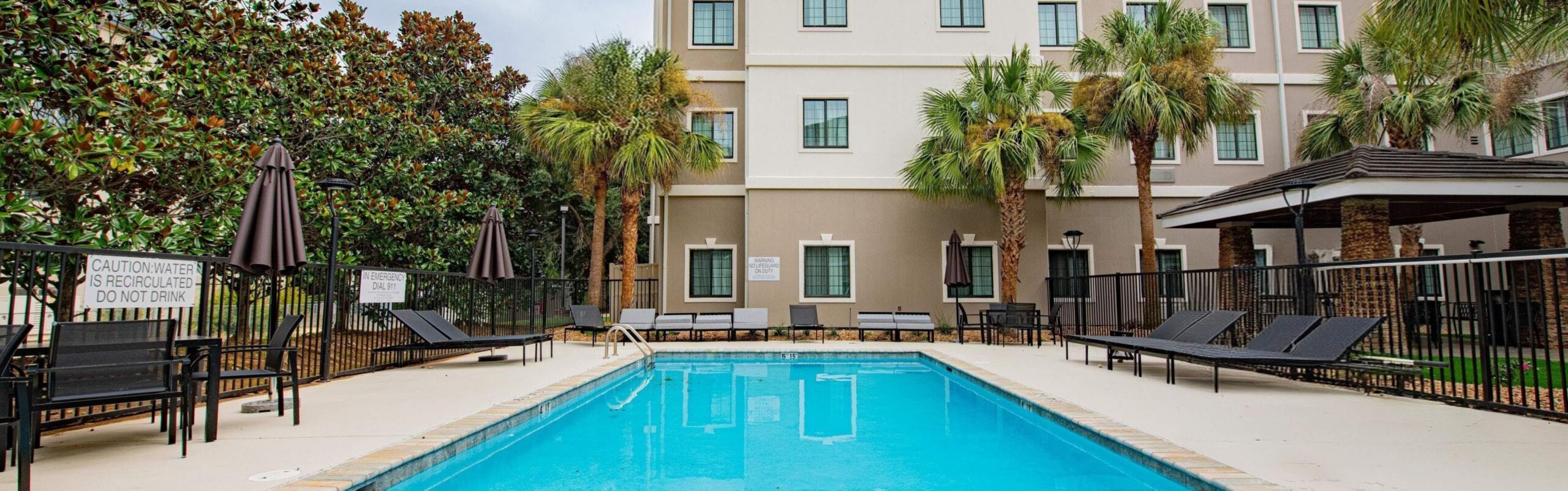
The line between hotels and resorts has blurred considerably in recent years, but the distinctions remain profound for the discerning traveler. While hotels focus primarily on accommodation and basic services, resorts construct entire ecosystems of luxury and entertainment designed to keep guests captivated for days or weeks.
Understanding these differences becomes crucial when planning your next getaway. The amenities that separate resorts from traditional hotels often justify the premium pricing and can transform a simple trip into an unforgettable experience.
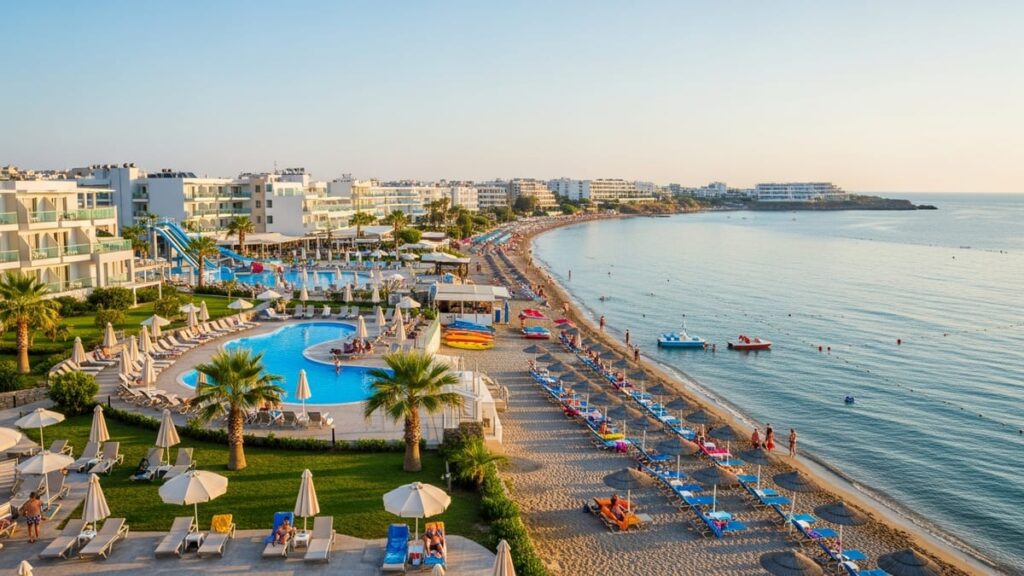
From private beaches stretching for miles to championship golf courses designed by legends, resorts offer facilities that most hotels simply cannot accommodate due to space, investment, or operational complexity. Premium resort destinations have perfected the art of creating self-contained worlds where every desire finds fulfillment.
All-Inclusive Dining Programs and Culinary Experiences
1. Multiple Specialty Restaurants Under One Roof
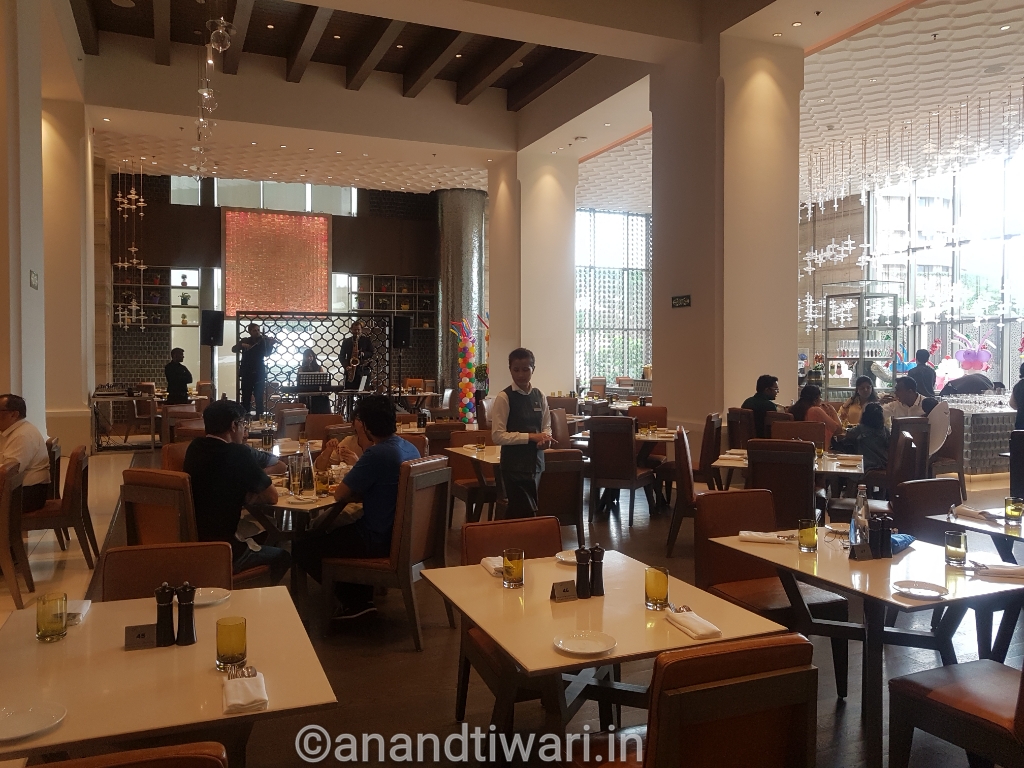
Resorts typically house between five to fifteen distinct restaurants, each with specialized cuisines and atmospheres. The Ritz-Carlton Reserve properties exemplify this approach with Japanese teppanyaki rooms, Italian trattorias, and local specialty venues all within walking distance.
Hotels rarely offer more than two or three dining options, usually consisting of a main restaurant, room service, and perhaps a casual café. This limitation stems from space constraints and the operational complexity of managing multiple kitchen teams.
The resort model allows for culinary diversity that mirrors entire restaurant districts. Guests can experience French fine dining one evening, authentic Mexican street food the next, and fresh sushi without leaving the property.
2. 24/7 All-Inclusive Beverage Service
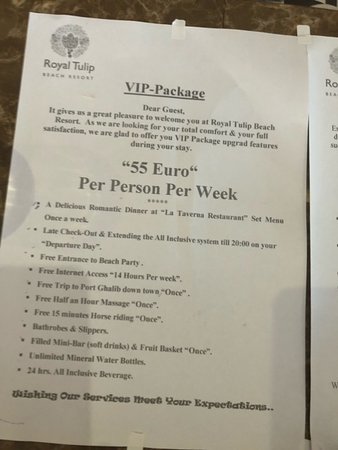
Premium resorts maintain multiple bars strategically positioned throughout the property, from poolside tiki bars to sophisticated wine lounges. These establishments often feature premium spirits, craft cocktails, and extensive wine collections included in the resort package.
Traditional hotels typically charge for all alcoholic beverages and maintain limited bar hours. The economic model simply doesn’t support the extensive beverage infrastructure that resorts provide as standard amenities.
Some resorts even offer in-room premium liquor setups and champagne service, treating alcohol as an integral part of the luxury experience rather than a profit center.
3. Private Chef and Catering Services

Many high-end resorts provide personal chef services for special occasions or extended stays. Luxury resort experiences often include the option to hire dedicated culinary professionals for private dinners, beach picnics, or yacht excursions.
Hotels may offer catering services, but rarely provide the intimate, personalized chef experiences that resorts specialize in. The resort model supports these premium services through higher base rates and longer average stays.
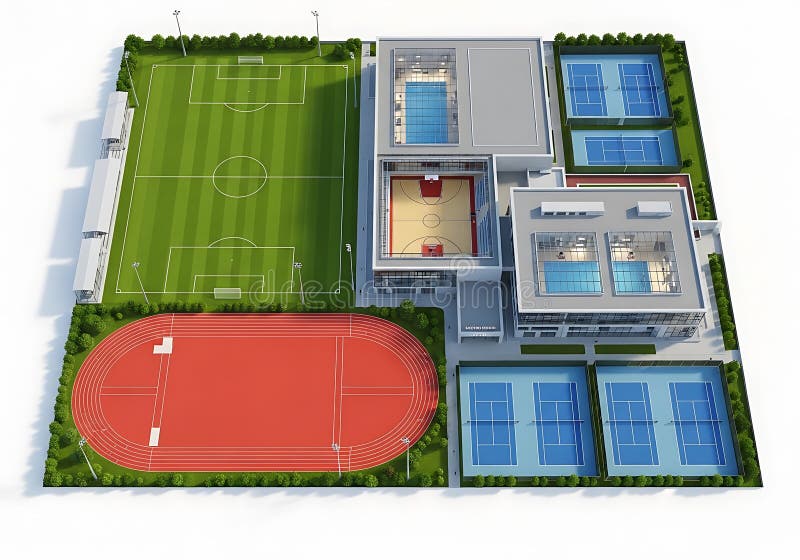
Exclusive Recreational Facilities and Sports Complex
1. Championship Golf Courses and Professional Instruction
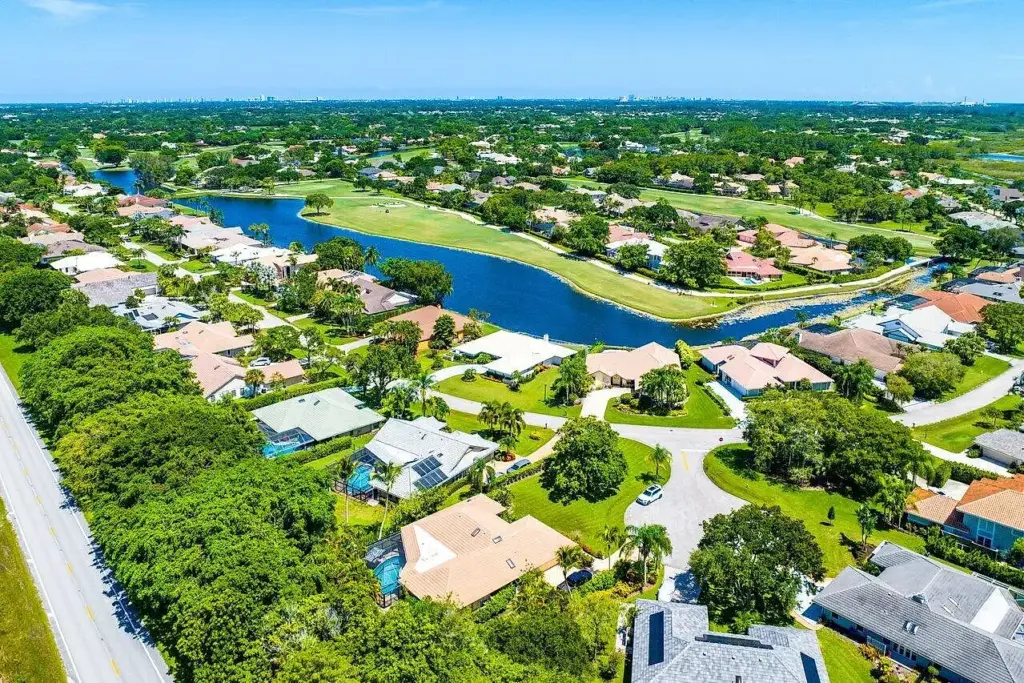
Golf resorts feature meticulously maintained 18-hole courses designed by legends like Jack Nicklaus, Arnold Palmer, or Tom Fazio. These courses often span hundreds of acres and include practice facilities, driving ranges, and putting greens that rival professional tournaments.
The operational requirements for maintaining golf courses make them impossible for traditional hotels to offer. The land, water rights, maintenance crews, and specialized equipment represent investments measured in tens of millions of dollars.
Professional golf instruction, club rentals, and tournament organization become natural extensions of these facilities. Many resorts host PGA events or maintain relationships with professional golfers who provide lessons exclusively to guests.
2. Water Sports and Marine Equipment Centers

Oceanfront resorts maintain extensive collections of watercraft including kayaks, paddleboards, sailing dinghies, and motorboats. Professional instruction in scuba diving, windsurfing, and deep-sea fishing often comes included with resort packages.
Hotels located near water bodies rarely provide more than basic beach chair service. The liability, storage, maintenance, and staffing requirements for comprehensive water sports programs exceed most hotel operational models.
Some resorts maintain their own dive boats and certified instructors, offering guests access to exclusive reef sites and underwater experiences unavailable to day visitors or hotel guests.
3. Tennis and Racquet Sports Complexes
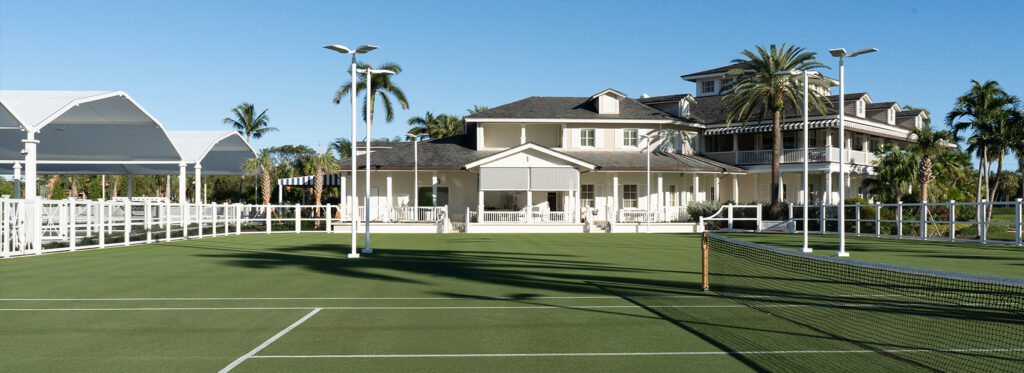
Resort tennis facilities often include multiple courts with different playing surfaces, professional lighting for evening play, and resident teaching professionals. The Omni resort chain exemplifies this approach with tennis academies that attract serious players for extended training vacations.
Traditional hotels may feature a single tennis court, but lack the comprehensive programs, equipment rental, and professional instruction that resort guests expect as standard amenities.
Comprehensive Spa and Wellness Centers
1. Medical-Grade Spa Treatments and Therapies
Resort spas operate as destination wellness centers with medical professionals, advanced treatment equipment, and therapeutic programs extending beyond simple massage and facials. These facilities often include cryotherapy chambers, infrared saunas, and IV therapy suites.
Hotel spas typically offer basic massage services and simple beauty treatments. The investment required for medical-grade equipment and certified healthcare professionals makes comprehensive wellness centers financially viable only at the resort level.
Many resorts partner with renowned wellness brands like Six Senses to provide programs that address specific health goals, from detoxification to stress management and longevity optimization.
2. Fitness Centers with Personal Training Programs
Resort fitness facilities rival commercial gyms with extensive equipment collections, group fitness studios, and dedicated personal trainers. Some properties include rock climbing walls, Olympic-sized pools, and specialized equipment for rehabilitation or athletic training.
Hotel fitness centers usually consist of a small room with basic cardio equipment and free weights. The space and operational requirements for comprehensive fitness programs make them impractical for most hotel properties.
Top-tier resorts often employ certified nutritionists, physical therapists, and wellness coaches who work with guests to develop personalized health programs during extended stays.
3. Thermal Pools and Hydrotherapy Facilities
Many resorts feature elaborate water therapy circuits including mineral pools, steam rooms, saunas, and therapeutic waterfalls. These facilities require specialized construction, water treatment systems, and ongoing maintenance that hotels rarely accommodate.
The therapeutic benefits of hydrotherapy have made these amenities increasingly popular at destination resorts, particularly those located near natural hot springs or mineral deposits that enhance the wellness experience.
Entertainment and Cultural Programming
1. Live Performance Venues and Celebrity Entertainment
Resort entertainment complexes include theaters, outdoor amphitheaters, and concert venues that host professional performers, cultural shows, and celebrity appearances. The scale and quality of these productions often match major entertainment destinations.
Hotels may offer lounge entertainment or small-scale performances, but lack the infrastructure and audience capacity to support major entertainment programming. The resort model provides the guest volume and extended stays necessary to justify significant entertainment investments.
2. Cultural Immersion and Educational Programs
Destination resorts create authentic cultural experiences through partnerships with local artisans, historians, and cultural organizations. These programs might include traditional cooking classes, archaeological site tours, or meetings with indigenous communities.
The educational component distinguishes resort programming from simple tourist activities. Professional guides, authentic materials, and carefully curated experiences provide guests with meaningful cultural connections rather than superficial entertainment.
3. Kids’ Clubs and Specialized Youth Programs
Family resorts operate sophisticated children’s programs with certified childcare professionals, age-appropriate activities, and dedicated facilities designed specifically for young guests. These programs often include educational components, outdoor adventures, and creative workshops.
Hotel childcare services, when available, typically consist of basic babysitting or simple play areas. The comprehensive youth programming at resorts requires specialized staff, insurance, facilities, and ongoing activity development that hotels cannot economically justify.
Personalized Service and Concierge Excellence
1. Dedicated Butler and Personal Assistant Services
Luxury resorts assign personal butlers or guest relations managers to handle individual needs throughout the stay. These professionals manage restaurant reservations, activity bookings, transportation arrangements, and special requests with attention to detail that transforms good service into unforgettable experiences.
Traditional hotels provide concierge services on a shared basis, with staff members handling requests from multiple guests simultaneously. The personalized attention and proactive service that resort butlers provide requires staffing ratios that most hotels cannot maintain profitably.
2. Customized Experience Planning and Local Access
Resort concierge teams maintain exclusive relationships with local tour operators, restaurants, and attraction operators that provide guests with unique access and preferential treatment. These connections often include behind-the-scenes tours, private dining experiences, and priority reservations at sought-after venues.
The expertise and local connections that resort concierges develop over years of operation create value that independent travelers struggle to replicate. Hotel concierge services rarely match this level of local integration and exclusive access.
Exclusive Access and Privacy Features
1. Private Beach and Waterfront Access
Beachfront resorts often control extensive stretches of pristine coastline with dedicated beach staff, water sports equipment, and exclusive areas for resort guests only. This privacy and exclusivity cannot be replicated by hotels located in developed beach areas with public access.
The investment required to secure and maintain private beach access, including environmental permits, beach maintenance, and security, makes this amenity viable only for large resort operations with significant guest volumes.
Consider making your next vacation truly special by exploring resort destinations that prioritize exclusive access and privacy for the ultimate luxury experience.
2. Gated Communities and Security Services
Resort properties often operate as secure, gated communities with professional security staff, controlled access points, and comprehensive monitoring systems. This level of security and privacy appeals particularly to high-profile guests and families with safety concerns.
Traditional hotels, particularly those in urban locations, cannot provide the same level of environmental control and security that resort communities offer through their self-contained design and dedicated security infrastructure.
The Future of Resort Amenities in 2026
1. Technology Integration and Smart Resort Features
Modern resorts have embraced artificial intelligence and IoT technology to create seamlessly connected experiences. Voice-controlled room systems, predictive service algorithms, and personalized mobile apps now anticipate guest needs before they’re expressed.
Virtual and augmented reality experiences have become standard amenities at premium resorts, offering immersive cultural tours, interactive entertainment, and even virtual travel experiences that complement the physical location.
2. Sustainability and Eco-Luxury Programs
Environmental consciousness has reshaped resort amenities, with properties now featuring on-site renewable energy systems, organic farming operations, and zero-waste dining programs. These sustainable practices have become attractions in themselves, appealing to environmentally aware travelers.
Carbon-neutral transportation options, including electric vehicle fleets and solar-powered boats, represent the new standard for resort operations that prioritize environmental responsibility without compromising luxury.
The distinction between hotels and resorts continues to sharpen as properties compete for increasingly sophisticated travelers. While hotels excel at efficient accommodation and urban convenience, resorts create immersive worlds where every amenity contributes to a transformative vacation experience. The choice between them depends entirely on whether you seek a place to sleep or a destination to remember.
Leave a Reply