
The corporate travel sector has transformed dramatically since the post-pandemic shift toward hybrid work models. Today’s business traveler demands more than a basic room and conference facilities. The choice between a business hotel and a resort for work trips now carries significant implications for productivity, employee satisfaction, and bottom-line results.
Recent data from industry accommodation platforms shows that 73% of companies are reconsidering their travel policies to accommodate changing workforce expectations. The traditional business hotel no longer holds an automatic advantage over resort destinations for corporate stays.
This shift reflects a broader understanding of how environment affects performance. Forward-thinking organizations recognize that the right accommodation choice can enhance creativity, reduce stress, and ultimately drive better business outcomes. The question isn’t simply about cost anymore.
The Modern Business Hotel: Refined Efficiency Meets Urban Convenience
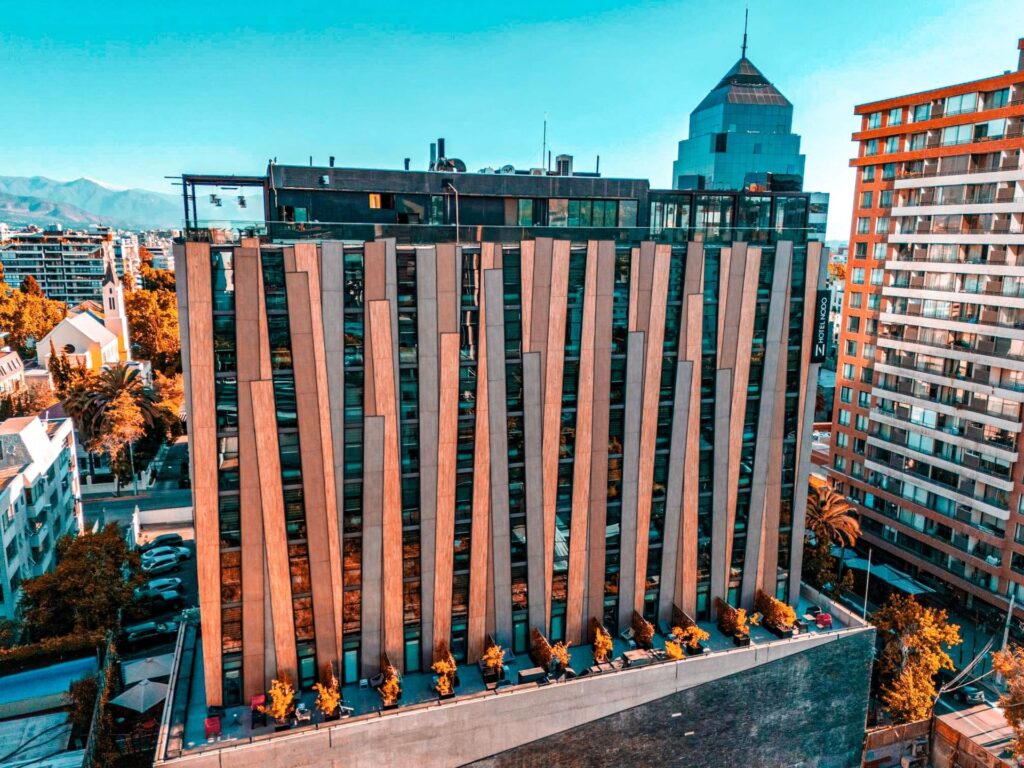
Business hotels have evolved far beyond their sterile, corporate origins. Today’s properties blend professional amenities with sophisticated design and genuine hospitality. They understand that modern executives value both efficiency and experience.
1. Strategic Location Advantages

Urban business hotels typically occupy prime real estate in financial districts or near major corporate centers. This positioning offers immediate access to client offices, business partners, and professional services. The time savings alone can justify the accommodation choice.
Transportation networks cluster around these properties. Whether you need rapid airport transfers, reliable ride-sharing services, or convenient public transit connections, business hotels deliver seamless mobility. This infrastructure proves invaluable when managing tight schedules or last-minute meeting changes.
The surrounding ecosystem supports business activities naturally. Banking services, print shops, courier facilities, and professional service providers operate within walking distance. These conveniences eliminate friction from the work travel experience.
2. Purpose-Built Professional Amenities

Modern business hotels invest heavily in technology infrastructure that supports contemporary work styles. High-speed wireless networks, abundant power outlets, and dedicated co-working spaces come standard. Some properties now feature advanced booking systems that allow travelers to customize room setups before arrival.
Meeting facilities range from intimate boardrooms to expansive conference centers. Professional audiovisual equipment, technical support staff, and catering services operate seamlessly together. Many properties offer 24-hour business centers with printing, scanning, and administrative support.
Executive lounges provide quiet spaces for calls, informal meetings, or focused work sessions. These areas often include complimentary refreshments, private phone booths, and dedicated concierge services for business travelers.
3. Streamlined Service Philosophy
Business hotels excel at anticipating professional travelers’ needs. Check-in processes prioritize speed and efficiency. Loyalty program benefits often include room upgrades, late checkout options, and guaranteed availability during peak periods.
Concierge services understand corporate requirements intimately. They can arrange transportation, restaurant reservations, and meeting venue recommendations with professional precision. Many properties maintain relationships with local business service providers for specialized requests.
Resort Destinations: Where Productivity Meets Renewal

The resort option for business travel represents a significant paradigm shift in corporate thinking. Companies increasingly recognize that employee wellbeing directly correlates with performance and retention rates.
1. Enhanced Creative Environment

Natural settings stimulate creative thinking and problem-solving abilities. Research from leading business schools consistently demonstrates that environmental changes can unlock innovative approaches to complex challenges. Resort destinations provide the physical and psychological space for breakthrough thinking.
The change of scenery breaks routine mental patterns that can limit creative output. Stunning landscapes, fresh air, and peaceful surroundings create conditions conducive to strategic thinking and long-term planning sessions.
Many resorts now offer dedicated meeting spaces that blend indoor comfort with outdoor inspiration. These venues can transform routine corporate gatherings into memorable, productive experiences that strengthen team dynamics.
2. Integrated Wellness Programs

Modern resorts understand that stressed executives make poor decisions. They’ve developed comprehensive wellness programs specifically designed for business travelers. Spa services, fitness facilities, and outdoor activities help manage the physical and mental demands of corporate life.
Nutrition programs at resort properties often emphasize healthy, energizing cuisine that supports sustained mental performance. Many feature organic gardens, locally sourced ingredients, and customizable meal options for dietary restrictions or preferences.
Sleep quality improves significantly in resort environments. Quieter surroundings, comfortable bedding, and relaxing atmospheres contribute to better rest, which directly impacts next-day performance and decision-making capabilities.
3. Unique Team Building Opportunities
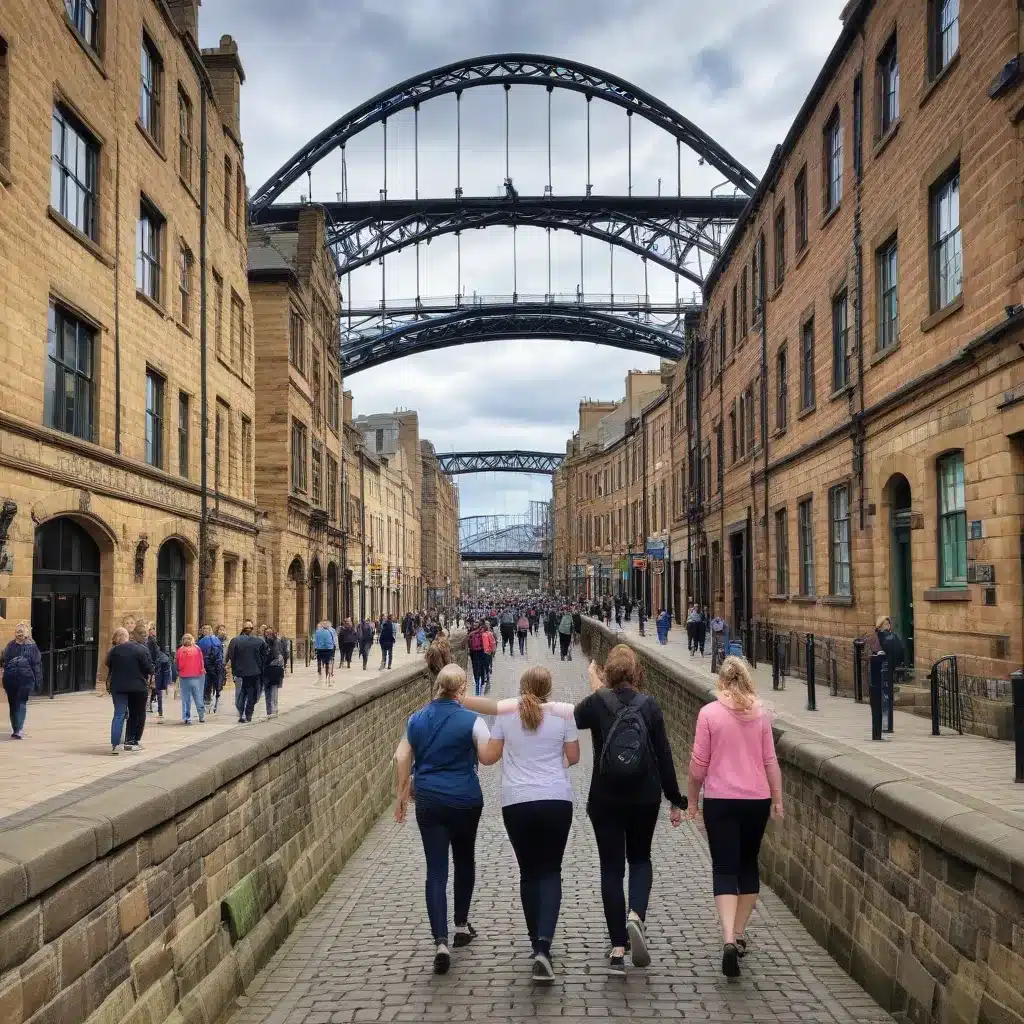
Resort settings offer team building activities impossible in urban environments. Golf courses, tennis facilities, water sports, and adventure excursions provide shared experiences that strengthen professional relationships beyond the boardroom.
These activities often reveal different aspects of colleagues’ personalities and capabilities. Such insights can improve workplace collaboration and communication long after returning to the office.
Financial Considerations: Beyond the Nightly Rate
The true cost comparison between business hotels and resorts extends far beyond room rates. Smart corporate travel managers now evaluate total value propositions that include productivity gains, employee satisfaction, and long-term retention benefits.
1. Direct Cost Analysis
Business hotels in major metropolitan areas command premium rates, especially during peak business travel periods. However, their efficient designs often include essential amenities in the base rate, potentially reducing additional spending on services and facilities.
Resort properties may offer more competitive nightly rates, particularly during off-peak seasons or through corporate group bookings. Package deals that include meals, activities, and meeting spaces can provide significant value for extended stays or team retreats.
Transportation costs vary dramatically between options. Business hotels reduce ground transportation expenses but may increase airfare costs if located in expensive gateway cities. Resort destinations might require additional travel time but could offer lower overall transportation costs.
2. Productivity Return on Investment
Measuring productivity gains from accommodation choices requires sophisticated analysis. McKinsey research indicates that employee experience investments generate measurable returns through increased engagement, creativity, and retention.
Business hotels maximize time efficiency through location and services. This advantage proves particularly valuable for short trips, client meetings, or time-sensitive projects where every hour counts.
Resort environments may initially seem less efficient but can generate breakthrough insights and strategic thinking that create long-term value. The key lies in matching accommodation choice to trip objectives and desired outcomes.
Technology Integration: The Digital Workplace Anywhere
Both accommodation types have invested heavily in technology infrastructure to support modern work requirements. However, their approaches and capabilities differ significantly.
1. Connectivity and Communication
Business hotels typically offer enterprise-grade internet connectivity with redundant systems and guaranteed bandwidth. These properties understand that connection failures can derail important presentations or client calls.
Resort properties have dramatically improved their technology offerings in recent years. Many now provide business-grade connectivity in dedicated work areas while maintaining relaxed, low-tech zones for genuine rest and rejuvenation.
Modern booking platforms allow travelers to verify and compare technology amenities before making reservations, ensuring that connectivity needs match property capabilities.
2. Workspace Flexibility
Business hotels excel at providing diverse workspace options within compact, efficient layouts. From in-room desk setups to lobby co-working areas, these properties maximize every square foot for productivity.
Resorts offer unique workspace possibilities that business hotels cannot match. Outdoor meeting areas, beachfront offices, and garden pavilions provide inspiring alternatives to traditional conference rooms.
Health and Wellness: The Performance Connection
The relationship between physical wellness and professional performance has gained recognition across all industries. Accommodation choices directly impact traveler health, stress levels, and cognitive function.
1. Stress Management and Recovery
Business travel inherently creates stress through schedule demands, unfamiliar environments, and performance pressure. Resort settings provide natural stress relief through peaceful environments, recreational activities, and wellness services.
Business hotels address stress through efficiency and convenience. By eliminating logistical challenges and providing seamless service, they reduce travel-related anxiety and allow focus on core business objectives.
The American Progress organization reports that workplace stress costs businesses over $300 billion annually through reduced productivity and increased healthcare expenses. Accommodation choices that mitigate stress provide clear financial benefits.
2. Physical Fitness and Mental Clarity
Maintaining fitness routines during business travel supports mental clarity and energy levels throughout demanding schedules. Both accommodation types approach this need differently but can deliver excellent results.
Business hotels typically feature compact but well-equipped fitness centers designed for efficient workouts. Many provide 24-hour access to accommodate varying schedules and time zones.
Resort properties offer extensive fitness facilities plus outdoor activities that make exercise enjoyable rather than obligatory. Swimming, hiking, cycling, and sports activities provide cardiovascular benefits while reducing the mental fatigue associated with routine gym workouts.
Making the Strategic Choice: Matching Accommodation to Objectives
The optimal choice between business hotels and resorts depends on specific trip objectives, traveler preferences, and company culture. Smart decision-making requires careful analysis of multiple factors beyond simple cost comparisons.
1. Trip Duration and Purpose
Short trips focused on specific meetings or presentations favor business hotels. The efficiency, location advantages, and professional amenities align perfectly with quick, task-oriented travel.
Extended stays, strategic planning sessions, or team retreats benefit from resort environments. The additional space, varied amenities, and inspiring settings justify any efficiency trade-offs for longer engagements.
Consider exploring comprehensive accommodation options through specialized travel platforms that can help match specific business requirements with ideal property characteristics.
2. Industry and Company Culture Alignment
Traditional industries like finance, law, and consulting often expect business hotel accommodations that project professional image and provide convenient client access. These sectors value efficiency and conventional business practices.
Creative industries, technology companies, and innovative organizations increasingly embrace resort venues for their team meetings and corporate events. These sectors recognize the connection between environment and creative output.
3. Traveler Preferences and Performance Patterns
Individual performance patterns vary significantly among business travelers. Some executives thrive in efficient, focused environments while others perform better in relaxed, inspiring settings.
Progressive companies now consider individual preferences when making accommodation decisions. This personalized approach improves traveler satisfaction, reduces stress, and optimizes performance outcomes.
Future Trends: The Evolution Continues
The accommodation landscape will continue evolving as companies refine their understanding of travel’s impact on employee performance and satisfaction. Several trends are reshaping the business travel sector.
1. Hybrid Accommodation Concepts
New property concepts blend business hotel efficiency with resort-style amenities. These hybrid properties offer professional facilities within more relaxed, wellness-focused environments.
Urban resorts are emerging in major business centers, providing resort-like amenities within city limits. These properties eliminate the traditional trade-off between location convenience and wellness benefits.
2. Sustainability and Corporate Responsibility
Environmental considerations increasingly influence accommodation choices as companies strengthen their sustainability commitments. Both business hotels and resorts are investing in green technologies and practices to meet corporate demand.
Resorts often lead in sustainability initiatives through renewable energy systems, organic food programs, and environmental conservation efforts. These practices align with companies’ corporate social responsibility goals while supporting employee values.
The choice between business hotels and resorts for corporate travel reflects broader changes in how organizations view employee experience, productivity, and success. Both accommodation types offer distinct advantages when properly matched to specific objectives and circumstances. The key lies in understanding these differences and making strategic decisions that support both immediate business goals and long-term organizational success.
As the business travel landscape continues evolving, companies that thoughtfully consider accommodation choices as strategic investments rather than necessary expenses will gain competitive advantages through improved employee satisfaction, enhanced creativity, and better business outcomes.
Leave a Reply