Category: Travel Tips

  • How to Choose Between Hotel, Resort, and Boutique Hotel

    How to Choose Between Hotel, Resort, and Boutique Hotel

    The accommodation you choose shapes your entire travel experience. Whether you’re planning a weekend city break, a family vacation, or a romantic retreat, understanding the distinct advantages of hotels, resorts, and boutique properties will transform how you approach your next booking decision.

    Each accommodation type serves different travel goals and personal preferences. The key lies in matching your specific needs, budget, and travel style with the right property category. This strategic approach ensures you get maximum value and satisfaction from your investment.

    Modern travelers face an abundance of choices, from luxury hotel chains to intimate boutique properties and sprawling resort complexes. The decision becomes easier when you understand what each option truly offers beyond marketing promises.

    Understanding Traditional Hotels: The Reliable Foundation
    Understanding Traditional Hotels: The Reliable Foundation

    Traditional hotels remain the backbone of the hospitality industry for good reason. They offer consistency, reliability, and standardized service levels that business and leisure travelers have come to expect. Major hotel chains like Marriott, Hilton, and Hyatt have built their reputations on delivering predictable experiences across global locations.

    The strength of traditional hotels lies in their operational efficiency and brand standards. You know exactly what amenities to expect, from room configurations to loyalty program benefits. This predictability makes them ideal for business travelers who need reliable wifi, 24-hour room service, and proximity to business districts.

    1. Business Travel Advantages

    1. Business Travel Advantages

    Hotels excel in business-focused amenities that independent properties often struggle to match. Conference facilities, business centers, and meeting rooms come standard at most full-service hotels. The infrastructure supports corporate events, client meetings, and extended work sessions seamlessly.

    Location strategy favors business travelers significantly. Most major hotel chains secure prime real estate near airports, financial districts, and convention centers. This positioning reduces travel time and transportation costs for business-focused trips.

    2. Loyalty Program Benefits
    2. Loyalty Program Benefits

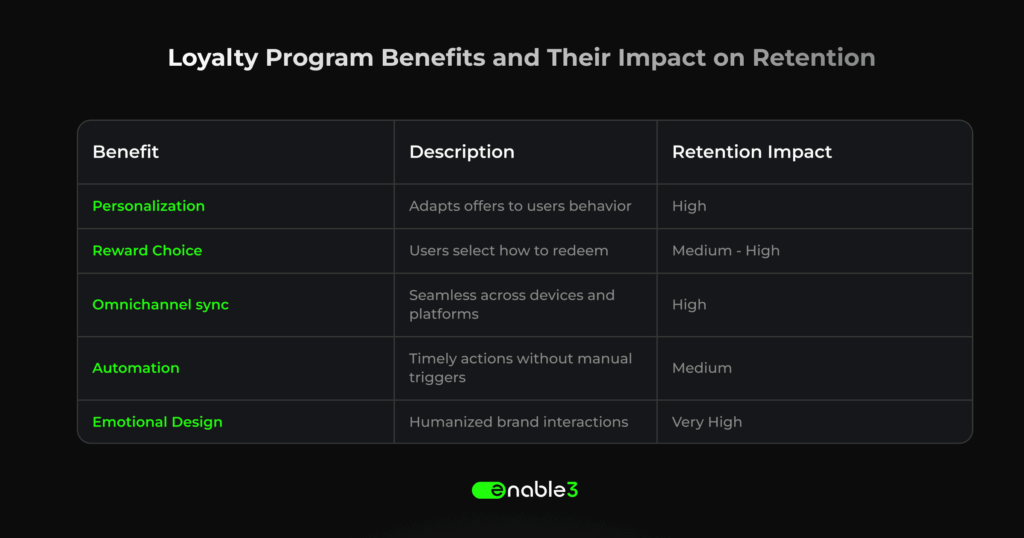
    Hotel loyalty programs offer tangible value that accumulates over time. Elite status unlocks room upgrades, late checkout, complimentary breakfast, and priority reservations. Frequent travelers can maximize these benefits across hundreds of properties worldwide.

    Point redemption systems provide flexibility for future bookings. Accommodation platforms now integrate with major hotel loyalty programs, making it easier to compare point values against cash rates for optimal booking decisions.

    3. Standardized Service Quality

    3. Standardized Service Quality

    Brand standards ensure consistent service delivery regardless of location. Staff training programs follow corporate protocols that maintain quality across different markets and cultural contexts. This consistency reduces the risk of service disappointments during important business or leisure trips.

    Quality assurance systems monitor guest satisfaction metrics continuously. Hotels respond quickly to service issues because brand reputation depends on maintaining standards across all properties in their portfolio.

    Resort Experiences: All-Inclusive Luxury and Recreation

    Resort Experiences: All-Inclusive Luxury and Recreation

    Resorts create self-contained vacation environments designed to minimize external planning and maximize relaxation. These properties typically feature extensive amenities, multiple dining options, and comprehensive entertainment programs. The all-inclusive model allows guests to budget their entire vacation upfront while enjoying unlimited access to resort facilities.

    The resort experience centers around recreation and leisure activities. From championship golf courses to world-class spas, these properties invest heavily in amenities that justify premium pricing. Families particularly benefit from supervised children’s programs that allow parents to enjoy adult-focused activities.

    1. Family-Friendly Infrastructure
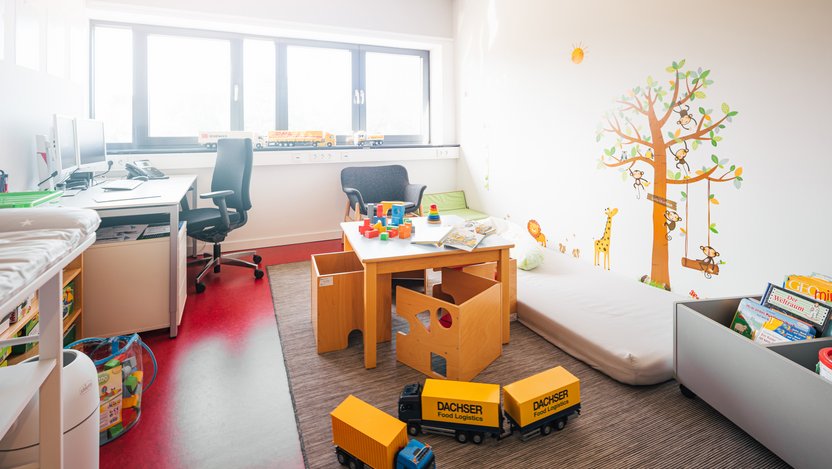
    1. Family-Friendly Infrastructure

    Resorts design their facilities with multigenerational travel in mind. Kids’ clubs provide supervised activities while adults enjoy spa treatments or golf. Pool complexes feature different zones for various age groups, from toddler splash areas to adult-only infinity pools.

    Dining variety accommodates different tastes and dietary requirements within families. Multiple restaurants eliminate the daily decision fatigue of choosing where to eat. Buffet options satisfy picky eaters while specialty restaurants cater to more adventurous palates.

    2. All-Inclusive Value Proposition
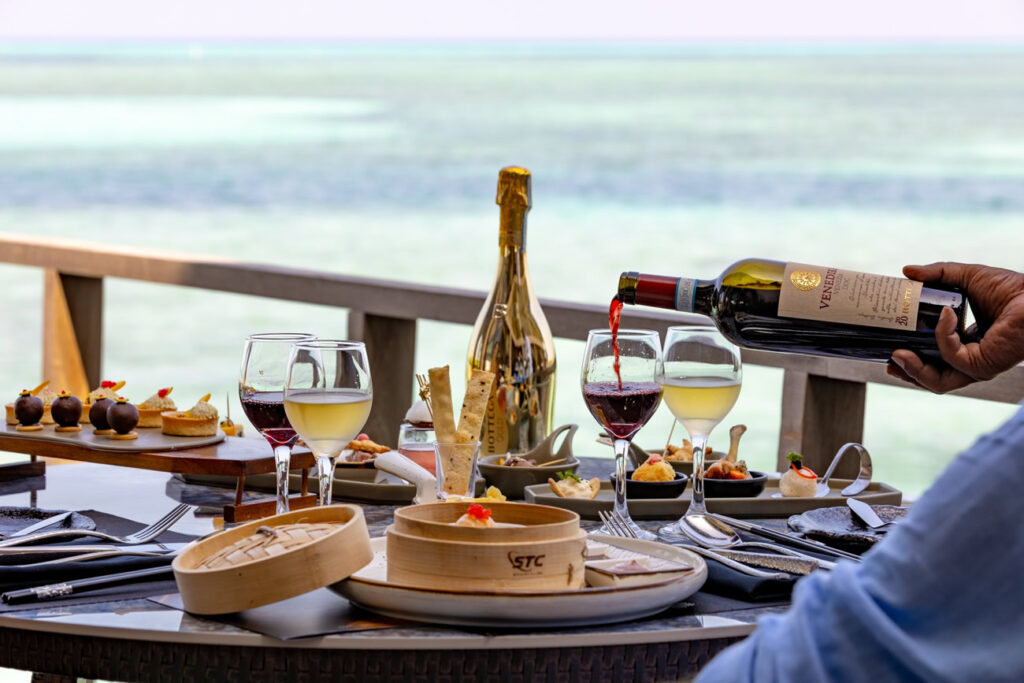
    2. All-Inclusive Value Proposition

    The all-inclusive model simplifies vacation budgeting by bundling accommodation, meals, drinks, and activities into one upfront price. This approach works particularly well for longer stays where individual meal and activity costs would accumulate significantly.

    Premium all-inclusive packages include top-shelf liquor, specialty dining reservations, and exclusive amenities like private beach areas. Travel experts recommend calculating the individual cost of included services to determine true value for your consumption patterns.

    3. Destination Integration
    3. Destination Integration

    Many resorts partner with local tour operators to offer authentic cultural experiences beyond the property boundaries. These partnerships provide curated excursions that showcase regional attractions while maintaining the security and convenience resort guests expect.

    Transportation services connect resorts to airports and nearby attractions efficiently. Private shuttles, car rental partnerships, and concierge-arranged tours eliminate transportation planning stress for guests unfamiliar with local options.

    Boutique Hotels: Personalized Luxury and Local Character

    Boutique hotels prioritize individuality over standardization, creating unique experiences that reflect local culture and personal attention to detail. These properties typically feature fewer than 100 rooms, allowing for more personalized service and distinctive design elements. Independent ownership enables creative freedom in both aesthetics and service delivery.

    The boutique experience emphasizes storytelling through design, cuisine, and cultural integration. Each property tells a specific story about its location, history, or design philosophy. This approach attracts travelers seeking authentic experiences that connect them more deeply with their destination.

    1. Personalized Service Standards

    Small property size enables staff to remember guest preferences and provide customized service. Front desk agents often know returning guests by name and anticipate their needs. This personal attention creates emotional connections that drive customer loyalty beyond traditional reward programs.

    Flexibility in service delivery allows boutique properties to accommodate special requests more easily than chain hotels bound by corporate policies. Custom arrangements for celebrations, dietary restrictions, or accessibility needs receive individual attention from management.

    2. Design and Aesthetic Excellence

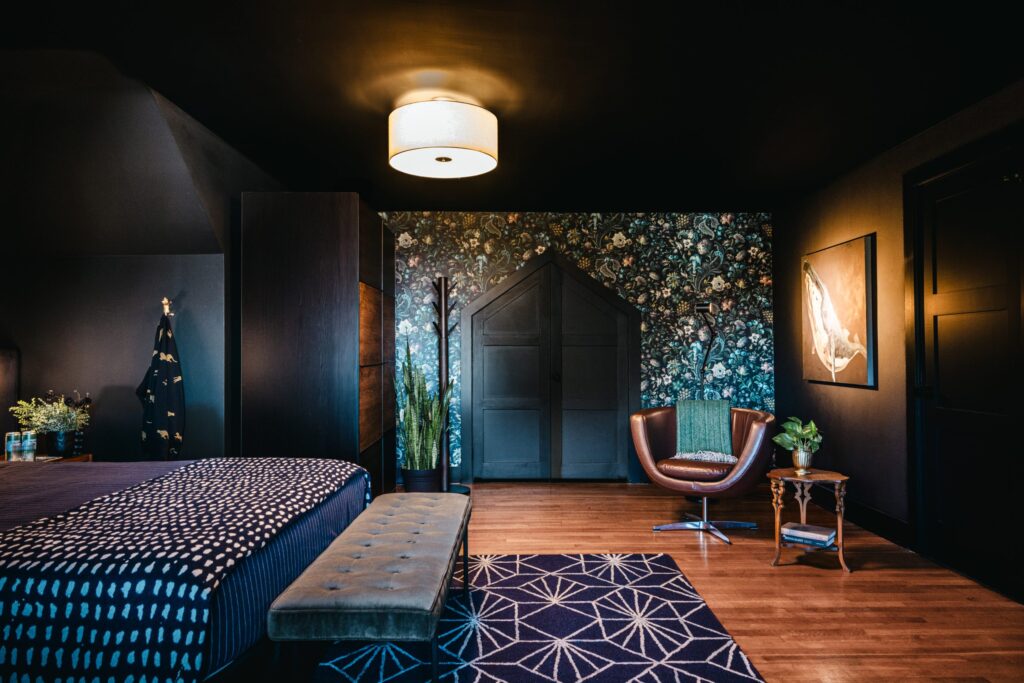
    Boutique hotels invest heavily in interior design and architectural details that create Instagram-worthy environments. Local artists, unique furnishings, and custom-designed spaces differentiate these properties from cookie-cutter chain hotels. Design elements often reflect the destination’s cultural heritage or natural environment.

    Room individuality means each accommodation may feature different layouts, furnishings, or views. This uniqueness appeals to travelers who value distinctive experiences over predictable standardization.

    3. Local Cultural Integration

    Boutique properties excel at connecting guests with authentic local experiences. Restaurant partnerships, curator-led tours, and insider access to cultural events provide deeper destination immersion than generic tourist activities.

    Local sourcing for amenities, food, and beverages supports community businesses while offering guests authentic regional products. Boutique hotel bookings often include these cultural elements as part of the overall experience package.

    Budget Considerations and Value Analysis

    Accommodation costs vary significantly between property types, but true value extends beyond nightly rates. Hotels typically offer mid-range pricing with predictable additional costs for amenities and services. Resorts command premium pricing but include services that would cost extra elsewhere.

    Boutique hotels often price competitively with luxury chain hotels while offering more personalized experiences. The key to smart budgeting involves analyzing total trip costs, including meals, activities, and transportation, rather than focusing solely on accommodation rates.

    1. Hidden Cost Analysis

    Resort fees, parking charges, and Wi-Fi costs can add substantial amounts to advertised hotel rates. Consumer advocacy groups estimate these additional fees can increase total accommodation costs by 15-25% at major hotel chains.

    All-inclusive resorts eliminate most hidden costs but may charge premiums for top-shelf liquor, specialty restaurants, or off-site excursions. Understanding what’s included helps avoid surprise charges during your stay.

    2. Length of Stay Impact

    Extended stays often favor hotels with kitchen facilities or apartment-style accommodations. Business hotels frequently offer weekly rates that reduce per-night costs for longer assignments. Boutique properties may provide package deals that include local experiences for extended visits.

    Resort pricing typically decreases per night for longer stays, making week-long vacations more cost-effective than short getaways. The all-inclusive model shows greater value over extended periods when meal and activity costs accumulate.

    Location Strategy and Accessibility

    Property location significantly impacts your travel experience and overall trip costs. Hotels prioritize accessible locations near business districts, airports, and major attractions. This positioning strategy reduces transportation time and costs while providing easy access to local amenities.

    Resorts often occupy premium natural locations like beachfront or mountain settings that justify higher rates through scenic beauty and recreational opportunities. These locations may require longer transfers from airports but offer immersive natural environments as compensation.

    1. Urban vs. Resort Destinations

    City locations favor hotels and boutique properties that integrate with urban attractions and business centers. Walkability to restaurants, shopping, and cultural sites adds value beyond accommodation amenities. Public transportation access reduces reliance on expensive taxi services or rental cars.

    Resort destinations prioritize natural beauty and recreational facilities over urban convenience. Beach resorts, mountain lodges, and golf destinations create self-contained environments where location becomes part of the entertainment value.

    2. Transportation Connectivity

    Airport proximity affects both convenience and costs for short trips. Business hotels near major airports save time and transportation expenses for brief stays. Travel booking platforms now include transportation time and costs in their comparison tools for more accurate total trip pricing.

    Remote resort locations may offer complimentary airport transfers that offset their distance disadvantage. Some luxury resorts provide helicopter or private jet services for guests willing to pay premium prices for convenience.

    Making Your Final Decision

    Your ideal accommodation choice depends on balancing personal preferences, travel objectives, and budget constraints. Business travelers prioritize reliability, efficiency, and loyalty program benefits that hotels deliver consistently. Families seeking comprehensive vacation experiences find better value in resort packages that include entertainment and dining.

    Travelers prioritizing unique experiences and local cultural immersion benefit from boutique properties that offer personalized service and authentic destination connections. The decision ultimately comes down to what aspects of travel matter most to your specific situation and preferences.

    Ready to book your next accommodation? Compare options across all property types to find the perfect match for your travel style and budget requirements.

    1. Quick Decision Framework

    Choose hotels for business travel, short city breaks, or when loyalty program benefits provide significant value. Their standardized service and prime locations support efficient, productive trips with minimal surprises or complications.

    Select resorts for family vacations, romantic getaways, or when you prefer comprehensive packages that eliminate daily planning decisions. The all-inclusive model works best for longer stays in destination locations focused on relaxation and recreation.

    Opt for boutique hotels when seeking unique experiences, personalized service, or deeper cultural connections with your destination. These properties excel for special occasions, creative inspiration, or when accommodation becomes part of your travel story rather than just a place to sleep.

    2. Booking Strategy Tips

    Book hotels during off-peak periods for better rates and potential upgrades, especially if you hold elite status with major chains. Business hotels often offer weekend discounts when corporate demand decreases.

    Resort bookings benefit from advance planning and package deals that bundle flights, accommodation, and activities. Travel associations often negotiate group rates that provide significant savings for members.

    Boutique hotel availability can be limited due to smaller room inventories, making early booking essential for popular destinations or peak travel periods. Direct booking with the property sometimes unlocks exclusive amenities or upgrades not available through third-party sites.
  • Boutique Hotels vs Chain Hotels: Which Suits Your Style?

    Boutique Hotels vs Chain Hotels: Which Suits Your Style?

    The hospitality industry has witnessed a fascinating evolution over the past decade. Travelers today face a choice that extends far beyond simple accommodation. They’re choosing between two distinct philosophies of hospitality: the intimate, curated experience of boutique properties versus the reliable, standardized service of chain hotels.

    This decision impacts everything from your morning coffee ritual to the stories you’ll share long after checkout. Each option offers compelling advantages while presenting unique challenges that savvy travelers must weigh carefully.

    Understanding these differences becomes crucial as hotel markets continue to diversify and traveler expectations grow more sophisticated. Your choice will shape not just where you sleep, but how you experience your entire destination.

    The Boutique Hotel Experience

    The Boutique Hotel Experience

    Boutique hotels represent hospitality as an art form. These properties typically house fewer than 100 rooms, allowing for an intimacy that larger establishments simply cannot match. Every detail receives careful consideration, from the locally sourced bathroom amenities to the carefully curated book selection in your room.

    The philosophy centers on creating memorable moments rather than merely providing accommodation. Staff members often know guests by name within hours of arrival. This personal touch extends to recommendations that go beyond standard tourist attractions, opening doors to authentic local experiences.

    1. Personalized Service That Anticipates Your Needs

    1. Personalized Service That Anticipates Your Needs

    Boutique hotel staff often possess encyclopedic knowledge of their local area. They’ll direct you to the underground jazz club that doesn’t advertise or the family-run restaurant where locals celebrate special occasions. This insider access transforms ordinary trips into extraordinary adventures.

    The concierge might remember your preference for late checkout from your previous visit. Housekeeping notices you prefer extra pillows and ensures they’re waiting upon your next stay. These details create a sense of belonging that transcends typical guest-hotel relationships.

    2. Unique Design and Architecture

    2. Unique Design and Architecture

    Each boutique property tells its own visual story. A converted 19th-century warehouse in Brooklyn might feature exposed brick walls and industrial lighting. Meanwhile, a Mediterranean coastal retreat could showcase hand-painted tiles and locally crafted furniture.

    Interior designers often collaborate with local artists to create spaces that reflect the destination’s character. You might find original artwork from neighborhood galleries adorning the walls or furniture crafted by regional artisans. These elements create Instagram-worthy moments while supporting local creative communities.

    3. Culinary Excellence and Local Partnerships

    3. Culinary Excellence and Local Partnerships

    Boutique hotel restaurants frequently partner with local farms, breweries, and specialty food producers. Menus change seasonally to reflect what’s fresh and available in the immediate area. This approach often results in dining experiences that rival standalone restaurants.

    Many properties employ renowned chefs who view the hotel restaurant as their culinary canvas. These partnerships create destination dining experiences that attract both guests and locals, fostering a vibrant social atmosphere.

    Chain Hotel Advantages

    Chain Hotel Advantages

    Chain hotels built their reputation on reliability and consistency. When you check into a recognized hotel brand, you know exactly what to expect. This predictability becomes invaluable for business travelers, families, and anyone who values seamless travel experiences.

    The standardization that some critics dismiss as sterile actually represents a significant achievement in hospitality management. Every property maintains similar quality standards, amenities, and service levels regardless of location.

    1. Consistency Across All Locations

    1. Consistency Across All Locations

    A business traveler checking into a major chain hotel in Tokyo can expect the same high-speed internet, comfortable bedding, and room layout they experienced in the brand’s London property. This consistency eliminates unpleasant surprises and allows travelers to focus on their primary purpose for visiting.

    Standardized operating procedures ensure that staff training meets uniform standards. Whether you need late-night room service or early morning transportation assistance, chain hotel staff possess the resources and protocols to address your needs efficiently.

    2. Extensive Loyalty Programs and Rewards

    2. Extensive Loyalty Programs and Rewards

    Major hotel chains offer sophisticated loyalty programs that provide tangible value to frequent travelers. Elite status members enjoy benefits like room upgrades, late checkout, and access to executive lounges. These perks can significantly enhance the travel experience while providing substantial cost savings.

    Points earned through stays can be redeemed for free nights, airline miles, or unique experiences. Some programs allow members to transfer points between hotel stays and partner airlines, maximizing the value of travel spending. Smart travelers often choose their accommodations based on these reward programs.

    3. Advanced Technology and Digital Services

    3. Advanced Technology and Digital Services

    Chain hotels typically invest heavily in technology infrastructure. Mobile apps allow guests to check in remotely, select specific rooms, and even use smartphones as room keys. These digital conveniences streamline the arrival and departure process significantly.

    Business centers offer reliable printing, scanning, and videoconferencing facilities. High-speed internet throughout the property supports remote work requirements. Many chains now provide smart room controls that allow guests to adjust lighting, temperature, and entertainment systems through intuitive interfaces.

    Cost Considerations and Value Propositions

    The financial aspect of choosing between boutique and chain hotels involves more than comparing nightly rates. True value encompasses the entire experience, from booking flexibility to additional amenities and services.

    Boutique hotels often command premium pricing due to their limited inventory and high-touch service model. However, this higher cost frequently includes services that chain hotels charge separately, such as airport transfers, welcome amenities, or personalized concierge assistance.

    1. Upfront Pricing Transparency

    Chain hotels typically display clear pricing structures with optional add-ons clearly itemized. Breakfast, parking, and internet access might cost extra, but guests know these charges upfront. This transparency allows for accurate budget planning and comparison shopping.

    Corporate rates and advance booking discounts are readily available through chain hotel websites and third-party booking platforms. Group bookings often receive significant discounts, making chain properties attractive for business conferences and family reunions.

    2. Boutique Hotel Value Inclusions

    Many boutique properties include amenities in their base rate that chain hotels charge separately. Complimentary breakfast featuring local specialties, airport transfers in luxury vehicles, and welcome gifts create added value that justifies higher nightly rates.

    The personalized service often extends to problem resolution. If issues arise during your stay, boutique hotel management typically possesses greater flexibility to offer compensation or upgrades without navigating corporate approval processes.

    Location and Accessibility Factors

    Geographic considerations play a crucial role in the boutique versus chain hotel decision. Each type of property tends to gravitate toward specific locations that align with their operational models and target demographics.

    Understanding these location patterns helps travelers choose accommodations that complement their itinerary and transportation preferences. The right location can transform a good trip into an unforgettable experience.

    1. Chain Hotel Strategic Positioning

    Major hotel chains secure prime locations near airports, business districts, and major attractions. Their corporate resources allow them to acquire and maintain properties in high-demand areas where real estate costs are substantial.

    Highway accessibility and proximity to conference centers make chain hotels natural choices for business travelers and event attendees. Many properties offer complimentary shuttle services to nearby airports, reducing transportation costs and logistics concerns. Industry data shows that location remains the primary factor in hotel selection for business travelers.

    2. Boutique Hotels in Unique Neighborhoods

    Boutique properties often occupy distinctive locations that chain hotels overlook. A converted historic building in a trendy arts district or a renovated mansion in a residential neighborhood provides access to authentic local culture.

    These locations frequently place guests within walking distance of independent restaurants, galleries, and shops that define a destination’s character. The trade-off might involve longer commutes to major business centers or tourist attractions, but the cultural immersion often compensates for this inconvenience.

    Service Philosophy and Staff Interaction

    The fundamental difference between boutique and chain hotels becomes most apparent in their approach to guest service. These philosophies shape every interaction from reservation to checkout, creating distinctly different hospitality experiences.

    Service philosophy reflects broader operational priorities. Chain hotels emphasize efficiency and consistency, while boutique properties prioritize personalization and memorable moments. Neither approach is inherently superior, but each appeals to different traveler preferences and expectations.

    1. Chain Hotel Service Efficiency

    Chain hotel staff receive extensive training in standardized procedures designed to handle common guest requests efficiently. This systematic approach ensures that problems receive prompt resolution according to established protocols.

    The corporate structure provides staff with clear escalation paths for complex issues. Guest relations managers possess authority to address complaints and often access to corporate resources that smaller properties cannot match. Experienced travelers appreciate this reliability, especially during business trips where time efficiency is paramount.

    2. Boutique Hotel Personal Connections

    Boutique hotel staff often develop genuine relationships with returning guests. They remember personal preferences, special occasions, and individual quirks that make each stay feel like visiting old friends.

    The smaller scale allows management to empower staff with greater decision-making authority. Front desk agents can often authorize room upgrades or special amenities without seeking approval from distant corporate offices. This flexibility enables creative problem-solving and spontaneous acts of hospitality that create lasting positive impressions.

    Amenities and Facilities Comparison

    The amenities offered by boutique and chain hotels reflect their different operational scales and target markets. Each type of property allocates space and resources according to their guests’ priorities and expectations.

    Modern travelers seek amenities that enhance both comfort and productivity. The challenge lies in identifying which property type delivers the specific amenities that matter most for your travel style and purposes.

    1. Chain Hotel Comprehensive Facilities

    Large chain hotels can dedicate significant space to amenities that smaller properties cannot accommodate. Full-service fitness centers with modern equipment, expansive conference facilities, and multiple dining options create a self-contained environment.

    Business centers offer professional services like printing, copying, and videoconferencing in dedicated spaces designed for productivity. Many chain properties feature multiple restaurant concepts, from casual cafes to upscale dining rooms, accommodating diverse culinary preferences without leaving the hotel. American Hotel and Lodging Association research indicates that 73% of business travelers consider comprehensive on-site amenities essential for property selection.

    2. Boutique Hotel Curated Experiences

    Boutique hotels focus on fewer amenities but execute them with exceptional attention to detail. A smaller fitness center might feature premium equipment and personalized training sessions. The single restaurant typically offers higher-quality cuisine than multiple chain hotel dining options.

    Unique amenities often reflect local culture and interests. A boutique hotel in wine country might offer private vineyard tours and tastings. An urban property could provide complimentary bicycles for neighborhood exploration or partnerships with local galleries for private viewing experiences.

    Making the Right Choice for Your Travel Style

    Selecting between boutique and chain hotels requires honest assessment of your travel priorities, budget constraints, and personal preferences. The perfect choice varies not only between different travelers but often between different trips for the same person.

    Consider how each option aligns with your specific travel goals. A romantic anniversary getaway calls for different accommodations than a business conference or family vacation. Matching your hotel choice to your travel purpose significantly impacts overall trip satisfaction.

    1. Business Travel Considerations

    Business travelers often prioritize reliability, connectivity, and efficiency over unique experiences. Chain hotels excel in these areas while offering predictable quality standards that eliminate accommodation-related stress from business trips.

    Loyalty program benefits become particularly valuable for frequent business travelers. Elite status perks like room upgrades and airport lounge access can significantly enhance the travel experience while providing tangible cost savings over time.

    2. Leisure Travel Preferences

    Leisure travelers seeking authentic local experiences and memorable moments often find boutique hotels more aligned with their goals. The personalized service and local connections create stories and experiences that extend far beyond the accommodation itself.

    Special occasion travel particularly benefits from boutique hotel attention to detail. Anniversary celebrations, milestone birthdays, and honeymoons receive the kind of personalized treatment that transforms good trips into unforgettable experiences.

    3. Budget and Value Optimization

    Smart travelers evaluate total trip value rather than focusing solely on nightly rates. Include meals, transportation, and activity costs in your calculations. A boutique hotel’s higher room rate might be offset by included breakfast, airport transfers, and local experience recommendations that save money elsewhere.

    Consider booking flexibility and cancellation policies when comparing options. Travel industry data shows that flexible booking terms have become increasingly important to travelers since 2024, influencing hotel selection decisions.

    The choice between boutique and chain hotels ultimately depends on what you value most in your travel experience. Chain hotels offer reliability, consistency, and comprehensive amenities that serve business travelers and families exceptionally well. Boutique hotels provide personalization, local authenticity, and memorable experiences that leisure travelers often prefer.

    Both options continue evolving to meet changing traveler expectations. Many chain hotels now incorporate local design elements and personalized services traditionally associated with boutique properties. Meanwhile, boutique hotel groups are standardizing certain operational aspects while maintaining their unique character and personal touch.

    The hospitality industry’s future likely includes hybrid approaches that blend the best elements of both models. Until then, understanding these differences empowers you to choose accommodations that align perfectly with your travel goals, ensuring every trip meets your expectations and creates lasting positive memories.

  • Hotels vs Resorts: Which Accommodation Suits Your Travel Style

    Hotels vs Resorts: Which Accommodation Suits Your Travel Style

    The choice between a hotel and a resort can make or break your travel experience. While both offer comfortable accommodations, they cater to vastly different travel styles and expectations.

    Hotels excel at providing efficient, no-nonsense service in prime locations. Resorts focus on creating immersive experiences where you rarely need to leave the property.

    Understanding these fundamental differences will help you make the right choice for your next getaway. Your decision impacts everything from your daily routine to your final bill.

    What Defines Hotels and Resorts in 2026

    What Defines Hotels and Resorts in 2026

    Modern hotels have evolved into sophisticated urban sanctuaries that prioritize location and convenience. They typically occupy prime real estate in city centers, business districts, or transportation hubs.

    Today’s hotels focus on seamless integration with their surroundings. You’ll find properties that serve as launching pads for exploring local culture, dining, and attractions.

    Resorts operate under a completely different philosophy. These self-contained destinations create their own world of entertainment, dining, and activities within expansive grounds.

    The accommodation landscape has seen resorts expand their offerings to include everything from championship golf courses to world-class spas and multiple restaurant concepts.

    The Hotel Advantage: Urban Sophistication and Flexibility

    The Hotel Advantage: Urban Sophistication and Flexibility

    1. Prime Location Access

    1. Prime Location Access

    Hotels dominate the location game with unmatched proximity to business centers, cultural attractions, and transportation networks. You can walk to meetings, museums, or trendy restaurants within minutes.

    Urban hotels place you at the heart of authentic local experiences. Street food vendors, historic neighborhoods, and underground music venues become part of your daily exploration.

    Business travelers particularly benefit from hotels’ strategic positioning near airports, convention centers, and corporate headquarters. Time saved on commuting translates directly into productivity or leisure.

    2. Flexible Pricing and Booking Options

    2. Flexible Pricing and Booking Options

    Hotel pricing structures offer superior flexibility for budget-conscious travelers. You pay only for the room and services you actually use, without mandatory meal plans or activity packages.

    Last-minute bookings often yield significant savings at hotels, especially during off-peak periods. This flexibility proves invaluable for spontaneous travelers or those with unpredictable schedules.

    Loyalty programs at major hotel chains provide substantial benefits for frequent travelers. Points, upgrades, and exclusive perks can dramatically enhance your experience without additional cost.

    3. Efficient Service and Business Amenities

    3. Efficient Service and Business Amenities

    Hotels excel at providing streamlined, professional service designed for efficiency. Check-in processes, concierge services, and housekeeping operate with precision timing.

    Business amenities like high-speed internet, meeting rooms, and 24-hour business centers cater specifically to professional travelers. These facilities often surpass what you’d find at home or in a traditional office.

    Room service and valet parking add convenience layers that busy professionals and luxury-seeking travelers appreciate. These services operate around your schedule, not predetermined resort timelines.

    Resort Benefits: All-Inclusive Luxury and Immersive Experiences

    Resort Benefits: All-Inclusive Luxury and Immersive Experiences

    1. Comprehensive Entertainment and Activities

    1. Comprehensive Entertainment and Activities

    Resorts transform vacations into curated experiences with endless on-site activities. Championship golf courses, water sports, fitness centers, and entertainment programs eliminate the need for external planning.

    Family-friendly resorts particularly shine with supervised kids’ clubs, teen programs, and multi-generational activities. Parents can relax while children enjoy structured, safe entertainment.

    Evening entertainment at resorts ranges from live music and theatrical shows to themed parties and cultural performances. Your nights are as planned and engaging as your days.

    2. All-Inclusive Dining Convenience

    2. All-Inclusive Dining Convenience

    Resort dining packages remove the stress and expense of meal planning. Multiple restaurants, bars, and casual dining options provide variety without additional decision-making.

    Quality has improved significantly across resort dining programs. Many properties now feature celebrity chef partnerships and cuisine that rivals standalone restaurants.

    The convenience factor cannot be overstated. No reservations, no checks, no tipping calculations. Your dining experiences flow seamlessly from breakfast through late-night snacks.

    3. Relaxation and Wellness Focus

    Resorts prioritize relaxation with expansive spa facilities, multiple pools, and tranquil environments designed for unwinding. The pace naturally slows when everything you need exists within walking distance.

    Wellness programs have become increasingly sophisticated, featuring meditation classes, fitness bootcamps, and nutrition counseling. Some resorts now offer comprehensive wellness retreats as part of standard packages.

    The absence of urban noise and hustle creates an atmosphere conducive to genuine rest. Resort environments are specifically engineered to lower stress levels and promote relaxation.

    Hotel Limitations: What You Sacrifice for Convenience

    1. Limited On-Site Recreation

    Hotels typically offer minimal recreational facilities beyond a basic fitness center and perhaps a pool. Entertainment options remain largely external to the property.

    Families with children may find hotels lacking in kid-friendly amenities and activities. Hotel pools and common areas aren’t designed for extended leisure time.

    Evening entertainment usually means venturing into the city. While this provides authentic local experiences, it requires additional planning, transportation, and expense.

    2. Additional Costs Add Up Quickly

    Hotel stays can become expensive quickly when you factor in meals, parking, resort fees, and incidental charges. That attractive nightly rate often doubles with additional services.

    Dining costs in hotel restaurants or nearby establishments can shock budget-conscious travelers. Urban location premiums mean even casual meals carry significant price tags.

    Transportation costs for sightseeing, airport transfers, and daily mobility can substantially increase your total trip expense. These costs are often underestimated during initial planning.

    3. Urban Stress and Noise Factors

    City hotels cannot escape urban realities like traffic noise, construction sounds, and general metropolitan bustle. True relaxation becomes challenging in these environments.

    Air quality in urban locations typically falls short of resort destinations. Pollution and allergens can impact sensitive travelers or those seeking health-focused vacations.

    The constant decision-making required for urban exploration can become exhausting. Restaurant choices, transportation options, and activity selection create decision fatigue.

    Resort Drawbacks: The Price of Paradise

    1. Higher Upfront Costs

    Resort packages typically require significant upfront investment, even when they provide good value. The all-inclusive model demands substantial initial payment regardless of what you actually consume.

    Peak season pricing at desirable resort destinations can reach astronomical levels. Popular properties during high-demand periods often cost more per night than many people’s monthly housing payments.

    Hidden fees still exist at many resorts despite all-inclusive pricing. Premium dining, top-shelf alcohol, spa services, and off-site excursions carry additional charges.

    2. Limited Cultural Immersion

    Resort environments create artificial bubbles that insulate guests from authentic local culture. You might visit Mexico or Thailand without experiencing genuine local life.

    Dining programs, while convenient, often present sanitized versions of local cuisine designed for international palates. Authentic culinary experiences require venturing beyond resort boundaries.

    Staff interactions, while friendly, remain professionally scripted rather than offering genuine cultural exchange. The service bubble prevents meaningful local connections.

    3. Potential for Boredom and Isolation

    Extended resort stays can become monotonous despite extensive facilities. The same pools, restaurants, and activities lose novelty after several days.

    Remote resort locations often limit exploration options and spontaneous adventure opportunities. You become dependent on scheduled resort activities and organized excursions.

    Social interactions may feel forced or artificial within the contained resort environment. Meeting interesting people becomes challenging when everyone shares similar vacation mindsets.

    Making the Right Choice for Your Travel Style

    Business Travel Considerations

    Business travelers almost universally benefit from hotel accommodations. Airport proximity, meeting facilities, and urban location advantages align perfectly with professional travel needs.

    The flexibility to extend or shorten stays accommodates unpredictable business schedules. Resort commitments and packages work against the fluid nature of business travel.

    Networking opportunities flourish in hotel environments where business travelers naturally congregate. Resort settings rarely provide professional development opportunities.

    Family Vacation Planning

    Family dynamics play a crucial role in accommodation choice. Resorts excel for families seeking stress-free vacations where parents can relax while children remain safely entertained.

    However, families interested in cultural education and authentic travel experiences may find hotels more appropriate. Urban exploration teaches children about different cultures and environments.

    Budget considerations often favor hotels for longer family trips. The ability to control meal costs and activity expenses provides financial predictability.

    Romantic Getaway Optimization

    Romantic travelers often prefer resort environments for their inherent intimacy and relaxation focus. Couples can disconnect from outside stresses and focus entirely on each other.

    Adult-only resort sections or properties eliminate family-related distractions while maintaining romantic atmosphere. These environments cater specifically to couple experiences.

    Conversely, couples who bond through shared exploration and cultural discovery may find hotels more conducive to romantic adventure. Urban hotel stays facilitate spontaneous romantic discoveries.

    Financial Planning and Hidden Costs

    True Cost Comparison Methods

    Accurate cost comparison requires calculating total trip expenses rather than just accommodation rates. Hotels may appear cheaper initially but can exceed resort costs when factoring in meals, transportation, and activities.

    Resort packages often provide better value for travelers who utilize included amenities extensively. Heavy drinkers, frequent diners, and activity enthusiasts typically save money with all-inclusive options.

    Create detailed budgets for both options including all anticipated expenses. Factor in tips, transportation, meals, entertainment, and incidental costs for realistic comparison.

    Seasonal Pricing Strategies

    Hotel pricing fluctuates more dramatically than resort rates, creating opportunities for savvy travelers. Off-peak urban travel can yield exceptional value, especially for business-focused properties.

    Resort pricing follows more predictable patterns tied to weather and holiday seasons. Strategic booking timing can result in substantial savings at both accommodation types.

    Consider shoulder seasons for resort destinations when weather remains favorable but prices drop significantly. Hotels often offer weekend packages and extended stay discounts during slower periods.

    Future Trends Shaping Accommodation Choices

    Technology integration continues transforming both hotels and resorts. Smart room controls, mobile check-in, and personalized service apps enhance convenience across both accommodation types.

    Sustainability concerns increasingly influence traveler choices. Many resorts now emphasize eco-friendly practices, while urban hotels focus on energy efficiency and waste reduction programs.

    Hybrid accommodation concepts are emerging, combining hotel efficiency with resort amenities. These properties attempt to capture benefits from both models while minimizing traditional drawbacks.

    Ready to book your next accommodation? Explore premium hotel and resort options that match your specific travel preferences and budget requirements.

    The choice between hotels and resorts ultimately depends on your travel priorities, budget constraints, and personal preferences. Business travelers and cultural explorers typically gravitate toward hotels, while relaxation-seekers and families often prefer resort environments.

    Consider your primary travel goals, examine total costs honestly, and choose the accommodation type that supports your ideal travel experience. Both options can provide exceptional value when aligned with your specific needs and expectations.

  • What Defines a Boutique Hotel Experience in 2026

    What Defines a Boutique Hotel Experience in 2026

    The hospitality industry has witnessed a profound shift toward intimate, personalized accommodations that prioritize character over conformity. Boutique hotels have emerged as the antithesis of standardized chain properties, offering guests something increasingly rare in our hyperconnected world: authenticity.

    These distinctive properties represent more than just alternative lodging options. They embody a philosophy that values individual expression, local culture, and meaningful human connections. Understanding what separates a true boutique experience from merely small-scale accommodations requires examining the intricate details that create lasting impressions.

    The modern traveler seeks experiences that resonate on a personal level, moving beyond generic comfort toward something more substantial. Premium accommodation platforms have recognized this shift, curating collections that celebrate the unique characteristics that define exceptional boutique properties.

    The Architecture of Intimacy

    The Architecture of Intimacy

    Boutique hotels distinguish themselves through their deliberate embrace of smaller scale operations. While major hotel chains often house hundreds of rooms across sprawling complexes, boutique properties typically maintain between 10 and 150 rooms. This intentional limitation creates an environment where personalized attention becomes possible rather than promotional.

    The physical footprint directly influences the guest experience in measurable ways. Staff members can remember individual preferences, recognize returning guests, and adapt services to specific needs. This scale allows for the kind of attentive hospitality that transforms routine check-ins into warm welcomes.

    Industry research from Hospitality Net indicates that properties with fewer than 100 rooms consistently score higher on guest satisfaction metrics related to personalized service. The correlation between size and service quality reflects fundamental operational realities rather than coincidental trends.

    1. Architectural Character and Historic Preservation

    1. Architectural Character and Historic Preservation

    Many exceptional boutique hotels occupy buildings with significant architectural heritage. Former mansions, converted warehouses, historic banks, and repurposed industrial spaces provide distinctive foundations that chain hotels cannot replicate. These structures bring inherent character that influences every aspect of the guest experience.

    The preservation and adaptation of historic buildings requires specialized expertise and substantial investment. Property developers must balance modern comfort requirements with architectural integrity, creating spaces that honor their origins while meeting contemporary expectations.

    2. Custom Interior Design Philosophy

    2. Custom Interior Design Philosophy

    Boutique hotels reject cookie-cutter design approaches in favor of cohesive aesthetic visions that reflect local culture, owner personalities, or specific themes. Interior designers collaborate closely with property owners to create environments that tell stories through carefully curated furnishings, artwork, and architectural details.

    This design philosophy extends beyond surface-level decoration to encompass spatial flow, lighting design, and sensory experiences. Each element contributes to an overall atmosphere that distinguishes the property from standardized alternatives.

    Culinary Identity and Local Connection

    Culinary Identity and Local Connection

    Food and beverage programs at boutique hotels often serve as cultural ambassadors, introducing guests to regional specialties and local culinary traditions. Rather than offering generic international menus, these properties frequently partner with local farmers, artisans, and food producers to create authentic dining experiences.

    The restaurant component often functions as a social hub that attracts both hotel guests and local residents. This dual purpose creates vibrant atmospheres while strengthening community connections that benefit the broader hospitality ecosystem.

    1. Farm-to-Table Partnerships

    1. Farm-to-Table Partnerships

    Progressive boutique hotels have established direct relationships with regional agricultural producers, ensuring fresh ingredients while supporting local economies. These partnerships often extend beyond simple purchasing agreements to include menu collaboration and seasonal adaptation based on harvest cycles.

    Guests increasingly value transparency about ingredient sourcing and preparation methods. Properties that can articulate their supply chain stories create additional layers of engagement that enhance the overall experience.

    2. Signature Cocktail Programs

    2. Signature Cocktail Programs

    Beverage programs at boutique hotels frequently feature craft cocktails that incorporate local spirits, regional ingredients, and house-made components. Skilled mixologists develop signature drinks that reflect the property’s personality while celebrating regional flavors and traditions.

    These programs often attract local clientele, creating social environments where hotel guests can interact with residents and gain authentic insights into local culture. The bar becomes a cultural exchange point rather than an isolated hotel amenity.

    Service Philosophy and Human Connection

    Service Philosophy and Human Connection

    The service approach at boutique hotels emphasizes genuine hospitality over scripted interactions. Staff members receive training that prioritizes problem-solving, local knowledge, and personalized attention rather than standardized responses to common situations.

    This philosophy requires hiring individuals who possess natural hospitality instincts and deep knowledge of their local area. The investment in quality staff training and retention creates service cultures that guests can immediately recognize and appreciate.

    1. Concierge Expertise and Local Knowledge

    1. Concierge Expertise and Local Knowledge

    Boutique hotel concierges function as cultural interpreters who can recommend experiences that align with individual guest interests and preferences. Their local expertise extends beyond tourist attractions to include insider knowledge about restaurants, cultural events, and hidden gems that typical visitors might overlook.

    The best concierge services maintain relationships with local businesses, cultural institutions, and service providers. These connections enable them to secure reservations, arrange special experiences, and provide access that independent travelers would struggle to obtain.

    2. Flexible Service Standards

    Unlike chain hotels that must adhere to rigid operational protocols, boutique properties can adapt their service approaches to meet individual guest needs. This flexibility allows staff to accommodate special requests, modify standard procedures, and create customized experiences that exceed expectations.

    The ability to make exceptions and personalize service represents a significant advantage over larger operations where deviation from standard procedures requires multiple approvals and complex coordination.

    Technology Integration and Modern Convenience

    Contemporary boutique hotels must balance their commitment to personalized service with guest expectations for modern technological conveniences. The most successful properties integrate technology seamlessly without compromising their distinctive character or human-centered service philosophy.

    Smart room controls, high-speed internet connectivity, and mobile check-in options have become baseline expectations rather than luxury amenities. Leading hospitality platforms report that guests expect boutique hotels to match or exceed the technological capabilities of major chains while maintaining their unique personality.

    1. Digital Enhancement of Personal Service

    Advanced property management systems enable boutique hotels to track guest preferences, special occasions, and service history across multiple stays. This technological foundation supports the personalized service that defines the boutique experience while ensuring consistency and attention to detail.

    Mobile applications and digital platforms can streamline routine interactions, freeing staff to focus on meaningful guest engagement and problem-solving that requires human judgment and creativity.

    2. Smart Room Technology

    In-room technology at boutique hotels often emphasizes intuitive controls and seamless integration rather than overwhelming guests with complex systems. Climate control, lighting adjustment, and entertainment systems should enhance comfort without requiring extensive learning curves or technical support.

    The most effective implementations remain largely invisible to guests, functioning reliably in the background while supporting the overall experience without drawing attention to themselves.

    Location Strategy and Neighborhood Integration

    Boutique hotels typically choose locations that offer authentic local character rather than tourist-focused commercial districts. This strategic positioning allows guests to experience destinations from a resident’s perspective while supporting local businesses and cultural institutions.

    The relationship between boutique hotels and their immediate neighborhoods often extends beyond simple proximity to active community engagement. Property owners and managers frequently participate in local business associations, cultural events, and community development initiatives.

    1. Urban Neighborhood Revitalization

    Many boutique hotels serve as catalysts for neighborhood development, attracting additional businesses and cultural activities that benefit the broader community. This symbiotic relationship creates authentic local environments that enhance the guest experience while generating positive economic impact.

    Research from Urban Land Institute demonstrates that boutique hotels often contribute to increased property values and business activity in their immediate vicinity, creating sustainable development patterns that benefit multiple stakeholders.

    2. Cultural Institution Partnerships

    Forward-thinking boutique hotels establish formal partnerships with local museums, galleries, theaters, and cultural organizations. These relationships create exclusive access opportunities for guests while supporting arts organizations through increased visibility and attendance.

    Such partnerships often include special exhibition previews, artist meet-and-greets, and cultural programming that provides guests with insider access to local creative communities.

    Sustainability Practices and Environmental Responsibility

    Environmental consciousness has become integral to the boutique hotel experience as guests increasingly prioritize sustainable travel options. Properties that implement comprehensive sustainability programs demonstrate commitment to environmental stewardship while often reducing operational costs.

    These initiatives range from energy-efficient building systems and water conservation measures to waste reduction programs and sustainable sourcing practices. The most effective programs integrate seamlessly with daily operations without compromising guest comfort or service quality.

    1. Energy Efficiency and Green Building Standards

    Many boutique hotels pursue LEED certification or similar environmental standards that require comprehensive sustainability measures across building operations, energy usage, and resource management. These certifications provide third-party validation of environmental commitments while establishing measurable performance targets.

    Investment in renewable energy systems, efficient HVAC equipment, and smart building controls often generates long-term operational savings that support business sustainability alongside environmental responsibility.

    2. Local Sourcing and Waste Reduction

    Comprehensive sustainability programs address supply chain decisions, waste management, and resource consumption across all hotel operations. Partnering with local suppliers reduces transportation-related environmental impact while supporting regional economies and strengthening community connections.

    Waste reduction initiatives often include composting programs, recycling systems, and packaging reduction measures that minimize environmental footprint while demonstrating tangible commitment to sustainability principles.

    The Future of Boutique Hospitality

    As we progress through 2026, boutique hotels continue evolving to meet changing guest expectations while maintaining the core principles that define authentic boutique experiences. The integration of artificial intelligence, sustainable technologies, and wellness-focused amenities represents the next phase of boutique hotel development.

    Successful properties will maintain their commitment to personalized service and local character while embracing innovations that enhance rather than replace human connections. The challenge lies in adopting new technologies and trends without compromising the authenticity that attracts guests to boutique properties.

    For travelers seeking accommodations that transcend basic comfort to offer genuine cultural immersion and personalized attention, curated boutique hotel collections provide access to properties that exemplify these distinctive characteristics. The boutique hotel experience ultimately depends on the seamless integration of thoughtful design, exceptional service, and authentic local connection that creates lasting memories beyond simple overnight accommodation.

    1. Wellness Integration and Holistic Experiences

    Contemporary boutique hotels increasingly incorporate wellness programming that extends beyond traditional spa services to include fitness classes, meditation spaces, healthy dining options, and outdoor activity coordination. These programs address growing guest interest in maintaining wellness routines while traveling.

    The most successful wellness integration feels natural rather than forced, incorporating elements that complement the property’s existing character while providing genuine value to health-conscious guests.

    2. Extended Stay and Work-Travel Balance

    The rise of remote work has created demand for boutique hotels that can accommodate longer stays while providing productive work environments. Properties are adapting by offering dedicated workspace areas, enhanced internet connectivity, and flexible room configurations that support work-travel balance.

    This trend requires boutique hotels to maintain their distinctive hospitality approach while incorporating business-friendly amenities that meet evolving professional travel needs without compromising their unique character and personalized service philosophy.

  • What Makes a Resort Different from a Hotel: 5 Key Distinctions

    What Makes a Resort Different from a Hotel: 5 Key Distinctions

    The hospitality industry has witnessed a fascinating evolution in 2026, with travelers increasingly seeking experiences that transcend mere accommodation. Understanding the distinction between resorts and hotels becomes crucial when planning your next getaway, whether you’re seeking urban sophistication or tropical escapism.

    While both establishments offer lodging, their fundamental approaches to hospitality differ dramatically. Hotels prioritize convenience and location, serving as comfortable bases for exploring destinations. Resorts, conversely, transform into destinations themselves, offering comprehensive experiences designed to keep guests engaged throughout their stay.

    The choice between these accommodation styles can make or break your vacation experience. Smart travelers recognize that selecting the wrong type of property can lead to disappointment, missed opportunities, and ultimately, a less satisfying trip than anticipated.

    1. Scale and Physical Infrastructure

    1. Scale and Physical Infrastructure

    Resort Complexes Span Multiple Acres

    Resort Complexes Span Multiple Acres

    Resorts typically sprawl across extensive properties, often covering hundreds of acres of carefully curated landscape. These expansive grounds accommodate multiple buildings, recreational facilities, and natural features that create self-contained vacation environments.

    The luxury resort experience relies heavily on spatial grandeur. Properties like the Four Seasons Resort Maui feature 15 acres of pristine beachfront, complete with multiple swimming pools, championship golf courses, and extensive tropical gardens that require dedicated landscaping teams.

    This expansive approach allows resorts to offer diverse environments within a single property. Guests can transition from beach activities to mountain hiking, from spa treatments to championship golf, without ever leaving the resort boundaries.

    Hotels Focus on Vertical Efficiency

    Hotels Focus on Vertical Efficiency

    Hotels, particularly in urban environments, maximize limited space through vertical construction. These properties concentrate amenities into compact footprints, prioritizing efficiency over sprawling luxury.

    The typical city hotel operates within strict spatial constraints, utilizing every square foot strategically. Properties like The Plaza in New York demonstrate how hotels create luxury experiences within confined urban spaces, focusing on interior design and service excellence rather than extensive grounds.

    This vertical approach enables hotels to offer premium locations in city centers, business districts, and transportation hubs. The trade-off involves sacrificing expansive recreational facilities for prime positioning and accessibility.

    2. Amenities and Recreational Facilities

    2. Amenities and Recreational Facilities

    Comprehensive Recreation at Resorts

    Comprehensive Recreation at Resorts

    Modern resorts function as entertainment complexes, featuring extensive recreational portfolios that cater to diverse interests and age groups. These facilities often include multiple restaurants, championship golf courses, full-service spas, water sports centers, and children’s programs.

    The Dreams Suites Golf Resort exemplifies this comprehensive approach with its 18-hole golf course, tennis courts, multiple swimming pools, water sports equipment, and dedicated kids’ clubs. Such extensive amenities require significant staffing and maintenance investments.

    Resort amenities extend beyond traditional hospitality offerings to include specialized activities like cooking classes, cultural experiences, and adventure excursions. This breadth creates opportunities for guests to discover new interests and skills during their stay.

    Essential Amenities in Hotels

    Essential Amenities in Hotels

    Hotels concentrate on core amenities that support business and leisure travelers’ fundamental needs. These typically include fitness centers, business facilities, restaurants, and concierge services, but rarely extend to elaborate recreational programs.

    The focus remains on quality rather than quantity, with hotels investing in superior bedding, advanced technology, and efficient service delivery. Premium hotels like The Ritz-Carlton properties excel in providing exceptional versions of essential amenities rather than extensive recreational portfolios.

    Hotel amenities often reflect their target demographics and locations. Business hotels emphasize conference facilities and productivity tools, while leisure-focused properties might offer basic pools and casual dining options without extensive recreational programming.

    3. Service Models and Staffing Approaches

    3. Service Models and Staffing Approaches

    All-Inclusive Service Philosophy

    All-Inclusive Service Philosophy

    Resorts typically employ comprehensive service models designed to address guests’ needs without requiring them to venture off-property. This approach necessitates diverse staffing across recreation, dining, entertainment, and specialized services.

    The all-inclusive model, popularized by brands like Sandals Resorts, requires extensive coordination between departments. Activities directors, dining staff, housekeeping, and entertainment teams must work seamlessly to create cohesive guest experiences throughout extended stays.

    Resort staffing ratios often exceed those of hotels, with properties maintaining higher staff-to-guest ratios to support comprehensive programming. This investment in human resources directly impacts operational costs but enables the personalized service that defines luxury resort experiences.

    Efficient Hotel Service Delivery

    Hotels optimize service delivery for efficiency and consistency, focusing on core hospitality functions like check-in, housekeeping, food service, and concierge assistance. This streamlined approach allows for predictable service standards across different properties and brands.

    The hotel service model assumes guests will seek entertainment, dining, and activities outside the property. Concierge services become crucial in connecting guests with local attractions, restaurants, and experiences that hotels cannot provide internally.

    Hotel staff specialization tends to be more traditional, with clear departmental boundaries between front desk, housekeeping, food and beverage, and maintenance teams. This structure supports operational efficiency but may lack the integrated approach characteristic of resort properties.

    4. Dining and Culinary Experiences

    Multiple Restaurants and Diverse Cuisines

    Resorts invest heavily in diverse culinary programs, often featuring multiple restaurants representing different cuisines, cooking styles, and dining atmospheres. This variety becomes essential when guests spend extended periods on-property without access to external dining options.

    Properties like luxury beach resorts might offer Italian trattorias, Japanese sushi bars, steakhouses, and casual beachside grills within a single property. This culinary diversity requires specialized chefs, extensive kitchen facilities, and complex supply chain management.

    Resort dining often includes specialty experiences like chef’s table dinners, wine tastings, and cooking classes that extend beyond mere meal service. These programs create memorable experiences while justifying premium pricing structures.

    Many resorts also accommodate dietary restrictions and preferences more comprehensively, maintaining dedicated preparation areas for vegetarian, vegan, gluten-free, and other specialized dining requirements. This attention to detail becomes crucial when guests cannot easily access alternative dining options.

    Focused Hotel Dining Concepts

    Hotels typically operate fewer dining venues, often featuring a primary restaurant, casual café, and room service options. The assumption remains that guests will explore local dining scenes, reducing pressure on hotels to provide extensive culinary variety.

    Urban hotels frequently partner with celebrity chefs or renowned restaurant groups to create signature dining experiences that attract both guests and local diners. These partnerships allow hotels to offer exceptional culinary experiences without managing extensive in-house culinary operations.

    Hotel dining strategies often reflect local culinary cultures, with properties showcasing regional specialties and local ingredients. This approach creates authentic dining experiences while supporting local suppliers and culinary traditions.

    5. Target Markets and Guest Demographics

    Vacation-Focused Resort Guests

    Resorts primarily attract leisure travelers seeking comprehensive vacation experiences, extended stays, and minimal need for external activities. These guests prioritize relaxation, recreation, and escape from daily routines over urban exploration or business activities.

    The typical resort guest spends 5-7 days per stay, compared to 2-3 days at hotels. This extended duration allows resorts to develop deeper relationships with guests and provide more personalized experiences throughout longer stays.

    Resort marketing targets specific demographics including honeymooners, families with children, groups celebrating special occasions, and travelers seeking wellness experiences. Each segment requires specialized programming and facilities to ensure satisfaction.

    Premium resort destinations often attract repeat guests who develop loyalty to specific properties and return annually for familiar experiences. This repeat business model influences everything from staff training to facility maintenance strategies.

    Business and Transit Hotel Guests

    Hotels serve diverse guest segments including business travelers, tourists exploring cities, and transit passengers requiring convenient accommodation. These guests typically seek efficient service, strategic locations, and easy access to external attractions or business facilities.

    Business travelers represent a significant hotel demographic, requiring meeting facilities, reliable internet, business centers, and proximity to corporate offices or conference venues. Hotels design services and amenities specifically to support productivity and professional activities.

    Tourist hotel guests prioritize location over extensive on-site amenities, seeking properties near attractions, shopping districts, or transportation hubs. These guests view hotels as comfortable bases for exploring destinations rather than destinations themselves.

    Making the Right Choice for Your Travel Style

    When Resorts Excel

    Choose resorts when seeking comprehensive vacation experiences, celebrating special occasions, or traveling with families requiring diverse entertainment options. The all-inclusive nature of resort experiences suits travelers who prefer predictable costs and minimal planning during their stay.

    Resorts work particularly well for destination weddings, honeymoons, family reunions, and group celebrations where guests want to spend time together without venturing far from their accommodation. The extensive facilities support group activities while offering privacy when desired.

    Consider resorts for wellness retreats, golf vacations, or extended stays where relaxation takes precedence over exploration. The comprehensive amenities and programming support longer visits without repetition or boredom.

    When Hotels Make More Sense

    Select hotels for business travel, city exploration, or short stays where location matters more than extensive amenities. The urban positioning and efficient service model of hotels supports busy itineraries and tight schedules.

    Hotels excel for cultural tourism, shopping trips, or visits focused on external attractions where accommodation serves as a comfortable base rather than the primary destination. The concierge services and local partnerships help guests navigate unfamiliar cities.

    Choose hotels when budgeting for experiences outside your accommodation, as the lower amenity overhead often translates to more competitive room rates. This approach allows travelers to allocate more resources toward external dining, entertainment, and attractions.

    Pricing Structures and Value Propositions

    Resort All-Inclusive Models

    Resort pricing typically includes accommodation, meals, beverages, and basic activities in comprehensive packages that simplify budgeting but require higher upfront investments. This model appeals to travelers who prefer predictable vacation costs without surprise expenses.

    The all-inclusive approach can provide exceptional value for guests who fully utilize resort amenities, particularly families with children or groups staying longer periods. However, travelers who prefer exploring external dining and attractions may find the model restrictive.

    Premium resorts often tier their all-inclusive offerings, with basic packages covering standard amenities and upgraded packages including premium dining, top-shelf beverages, and specialized activities. This structure allows properties to accommodate different budget levels while maintaining comprehensive service models.

    Hotel Á La Carte Pricing

    Hotels typically charge for accommodation separately from meals, activities, and other services, providing flexibility for guests to customize their experiences and control expenses. This approach suits travelers with specific preferences or tight budgets.

    The à la carte model allows guests to experience local dining scenes, explore city attractions, and choose activities based on personal interests rather than pre-planned packages. However, costs can accumulate quickly for guests who prefer convenient on-site services.

    Many hotels now offer package deals that bundle accommodation with breakfast, parking, or local attraction tickets, providing some of the convenience associated with resort packages while maintaining flexibility for guests who want to explore independently.

    Ready to plan your perfect getaway? Whether you’re drawn to comprehensive resort experiences or prefer the urban sophistication of premier hotels, understanding these distinctions will help you make informed decisions that align with your travel style and preferences.

    Future Trends in Resort and Hotel Development

    Technology Integration Across Property Types

    Both resorts and hotels are embracing advanced technology to enhance guest experiences, though their applications differ significantly. Resorts focus on technologies that support recreational activities and comprehensive service delivery, while hotels prioritize efficiency and business productivity tools.

    Smart room technology has become standard across both property types in 2026, with voice-activated controls, mobile check-in systems, and personalized climate management. However, resorts extend these technologies to recreational facilities, offering app-based activity booking and real-time amenity availability updates.

    The integration of artificial intelligence in hospitality continues evolving, with resorts using AI to predict guest preferences for activities and dining, while hotels focus on optimizing room assignments and streamlining business services.

    Sustainability Initiatives Shape Property Design

    Environmental consciousness increasingly influences both resort and hotel development, though their approaches reflect different operational scales and guest expectations. Resorts invest in extensive renewable energy systems, water conservation programs, and sustainable landscaping that support their expansive operations.

    Hotels focus on energy efficiency, waste reduction, and sustainable sourcing programs that align with urban environments and shorter guest stays. The compact nature of hotel properties allows for more intensive sustainability measures per square foot of space.

    Both property types recognize that modern travelers, particularly younger demographics, prioritize environmental responsibility when selecting accommodations. This trend influences everything from construction materials to daily operational procedures across the hospitality industry.

  • Hotel vs Resort vs Boutique Hotel: Complete Guide 2026

    Hotel vs Resort vs Boutique Hotel: Complete Guide 2026

    The hospitality industry has transformed dramatically over the past decade. What once seemed like a simple choice between chain hotels now spans a spectrum of experiences, from intimate boutique properties to sprawling resort complexes. Understanding these distinctions can make or break your next getaway.

    Each accommodation type serves different travel styles and budgets. Hotels prioritize efficiency and consistency, resorts focus on comprehensive experiences, and boutique properties emphasize individuality and character. The right choice depends on your priorities, whether that’s convenience, adventure, or cultural immersion.

    Modern travelers expect more than just a place to sleep. They want experiences that match their lifestyle and values. This guide breaks down the essential differences between hotels, resorts, and boutique properties to help you make informed decisions for any trip.

    Understanding Traditional Hotels

    Understanding Traditional Hotels

    Traditional hotels form the backbone of the global hospitality industry. These properties focus on providing consistent, reliable accommodations with standard amenities across multiple locations. Major chains like Marriott, Hilton, and Hyatt have perfected this model over decades.

    The primary appeal lies in predictability and value. You know exactly what to expect when booking a room at a established hotel chain, regardless of location. This consistency proves invaluable for business travelers and families seeking reliable accommodations without surprises.

    Key Features of Standard Hotels

    Key Features of Standard Hotels

    Standard hotels typically offer rooms ranging from 250 to 400 square feet. Most include essential amenities like private bathrooms, air conditioning, television, and WiFi. Business-focused properties add features like fitness centers, meeting rooms, and business centers.

    Service follows established protocols designed for efficiency. Front desk staff handle check-ins quickly, housekeeping maintains rooms to brand standards, and concierge services provide local recommendations. The emphasis stays on smooth operations rather than personalized experiences.

    Location and Accessibility Advantages

    Location and Accessibility Advantages

    Hotels excel at prime urban locations and transportation hubs. You’ll find them near airports, city centers, and major attractions. This strategic positioning makes them ideal for business trips, city breaks, and transit stops.

    Most offer straightforward booking processes through established reservation systems. Booking platforms integrate seamlessly with hotel chains, making comparison shopping and loyalty program benefits easily accessible for travelers.

    Pricing Structure and Value Proposition

    Pricing Structure and Value Proposition

    Hotels typically charge per room per night, with additional fees for services like parking, WiFi upgrades, or room service. Pricing varies significantly based on location, season, and demand. Business districts command premium rates during weekdays, while leisure destinations peak during holidays and summer months.

    Loyalty programs provide substantial value for frequent travelers. Points accumulation, room upgrades, and elite status benefits can dramatically improve the hotel experience while reducing costs over time.

    Resort Experiences Decoded

    Resort Experiences Decoded

    Resorts represent a different philosophy entirely. These properties create self-contained vacation environments where guests can enjoy multiple activities, dining options, and entertainment without leaving the premises. The goal is comprehensive relaxation and recreation.

    Most resorts occupy large properties with extensive grounds. Beach resorts sprawl along coastlines, mountain resorts nestle in scenic valleys, and desert resorts take advantage of dramatic landscapes. The setting becomes integral to the entire experience.

    All-Inclusive vs A La Carte Resort Models

    All-Inclusive vs A La Carte Resort Models

    All-inclusive resorts bundle accommodations, meals, drinks, and activities into a single upfront price. This model dominates Caribbean and Mexican destinations, appealing to travelers who prefer predictable vacation costs. Premium all-inclusive properties include top-shelf liquors, specialty restaurants, and exclusive activities.

    A la carte resorts charge separately for dining, activities, and services. This approach offers more flexibility but requires careful budgeting. European ski resorts and luxury properties often use this model, allowing guests to customize their experience.

    Activities and Entertainment Options

    Activities and Entertainment Options

    Resort amenities typically include multiple restaurants, bars, pools, and recreational facilities. Beach resorts offer water sports, tennis courts, and spa services. Ski resorts provide slope access, equipment rentals, and mountain activities during both winter and summer seasons.

    Evening entertainment ranges from live music and themed dinners to cultural performances and nightclub experiences. Family resorts add kids’ clubs, organized activities, and age-appropriate entertainment to keep children engaged while parents relax.

    Target Demographics and Ideal Situations

    Target Demographics and Ideal Situations

    Resorts work best for extended stays of three nights or more. Honeymooners appreciate romantic settings and couple-focused activities. Families benefit from supervised children’s programs and multi-generational dining options.

    Group travel thrives at resorts with conference facilities and team-building activities. Industry research shows that resort bookings peak during school holidays and traditional vacation periods when travelers prioritize relaxation over exploration.

    Boutique Hotels and Their Unique Appeal

    Boutique hotels emerged as a reaction against standardized chain experiences. These properties, typically featuring fewer than 100 rooms, emphasize individual character, local culture, and personalized service. Each property tells its own story through design, amenities, and guest experiences.

    The boutique concept originated in the 1980s with properties like Morgans Hotel in New York City. Today’s boutique hotels range from converted historic buildings to cutting-edge architectural showcases, unified by their commitment to uniqueness and attention to detail.

    Design Philosophy and Aesthetic Differences

    Boutique hotels invest heavily in interior design and artistic elements. Local artists often contribute original works, while furniture and fixtures reflect regional styles or contemporary design trends. The goal is creating Instagram-worthy spaces that guests want to experience and share.

    Common spaces receive as much attention as guest rooms. Lobbies become social hubs with carefully curated books, unique seating arrangements, and conversation-starting art pieces. Rooftop bars, garden courtyards, and library nooks provide intimate gathering spaces.

    Personalized Service Standards

    Staff-to-guest ratios at boutique properties typically exceed those at larger hotels. This allows for more personalized interactions, from customized welcome amenities to detailed local recommendations based on individual preferences. Staff often remember repeat guests’ names and preferences.

    Concierge services go beyond standard tourist information. Boutique hotel staff pride themselves on accessing exclusive experiences, securing reservations at coveted restaurants, and arranging unique activities that reflect local culture and hidden gems.

    Location Strategy and Local Integration

    Boutique hotels often occupy prime locations in trendy neighborhoods, historic districts, or culturally significant areas. They position themselves as gateways to authentic local experiences rather than isolated accommodation bubbles.

    Many partner with local businesses, from farm-to-table restaurants to artisan shops and cultural institutions. Travelers seeking authentic experiences increasingly choose boutique properties for their deep neighborhood connections and insider access.

    Making the Right Choice for Your Travel Style

    Your accommodation choice should align with your travel priorities, budget, and desired experience level. Business travelers often prioritize convenience and predictability, making traditional hotels the logical choice. Vacation seekers might prefer resort amenities or boutique character depending on their preferences.

    Consider the purpose and duration of your trip. Weekend getaways might benefit from boutique hotels’ unique character, while week-long family vacations could justify resort amenities and activities. Extended business stays might favor hotel loyalty programs and consistent service standards.

    Budget Considerations and Value Analysis

    Hotels typically offer the most predictable pricing, with clear room rates and itemized additional charges. Resort pricing varies dramatically between all-inclusive and a la carte models. All-inclusive rates seem higher upfront but can provide better value for families and heavy users of dining and activities.

    Boutique hotels often command premium rates due to their unique positioning and higher service levels. However, the included amenities and personalized experiences can justify the cost for travelers seeking memorable stays rather than basic accommodation.

    Length of Stay Recommendations

    Hotels work well for stays of any duration, from single nights to extended business trips. Their efficient operations and consistent service make them reliable for both short stopovers and longer stays in urban environments.

    Resorts require minimum stays of three to four nights to justify their comprehensive amenities and higher costs. Many offer better per-night rates for weekly stays, recognizing that guests need time to fully utilize facilities and activities.

    Boutique hotels shine during moderate stays of two to five nights. This duration allows guests to appreciate the unique character and develop relationships with staff while exploring the local neighborhood and culture.

    Group Travel and Special Occasion Planning

    Large groups often find hotels most accommodating due to their extensive room inventory and meeting facilities. Business groups benefit from standardized amenities and reliable WiFi infrastructure. Wedding parties appreciate hotels’ experience with group bookings and event coordination.

    Resorts excel for celebration trips and multi-generational family gatherings. Their comprehensive amenities keep diverse age groups entertained while group dining options and activities create shared experiences. Resort specialists can arrange customized packages for milestone celebrations.

    Emerging Trends Shaping Accommodation Choices

    The hospitality landscape continues evolving as traveler preferences shift toward sustainable and experience-focused options. World Tourism Organization data indicates growing demand for authentic, environmentally conscious travel experiences across all accommodation types.

    Technology integration has transformed guest expectations. Mobile check-in, keyless entry, and personalized app-based services are becoming standard across hotels, resorts, and boutique properties. The implementation varies, but the expectation for seamless digital experiences remains consistent.

    Sustainability and Eco-Conscious Travel

    Environmental considerations increasingly influence accommodation choices. Hotels implement energy-efficient systems and waste reduction programs. Resorts focus on water conservation and local sourcing initiatives, particularly in environmentally sensitive destinations.

    Boutique hotels often lead sustainability efforts through their local connections and smaller scale operations. Many partner with organic farms, use locally-sourced materials, and support community environmental initiatives as part of their authentic local experience offerings.

    Technology Integration Across Property Types

    Smart room technology, from voice-controlled lighting to personalized climate settings, appears across all accommodation types. Hotels leverage technology for operational efficiency, resorts use it for activity booking and dining reservations, and boutique properties employ it to enhance personalized service delivery.

    Contactless service options, accelerated by recent global events, now span check-in processes, dining orders, and housekeeping requests. Industry technology adoption shows these features transitioning from luxury amenities to standard expectations.

    Regional Variations and Cultural Considerations

    Accommodation types vary significantly across different regions and cultures. European boutique hotels often occupy converted historic buildings with unique architectural features. Asian resorts frequently integrate wellness concepts and traditional cultural elements into their guest experiences.

    American hotels emphasize efficiency and convenience, while European properties might prioritize charm and local character even within chain brands. Understanding these regional differences helps set appropriate expectations for international travel.

    Destination-Specific Recommendations

    Urban destinations like New York, London, and Tokyo favor hotels and boutique properties due to limited space and high real estate costs. Beach destinations throughout the Caribbean, Mediterranean, and Southeast Asia predominantly feature resort-style accommodations.

    Mountain and rural destinations offer the full spectrum, from luxury mountain resorts to boutique country inns and practical hotel chains in gateway cities. The choice often depends on whether you’re seeking outdoor adventures or cultural immersion experiences.

    Seasonal Considerations and Peak Periods

    Peak season pricing varies dramatically between accommodation types. Resort rates can triple during high season, while urban hotels might see more moderate increases. Boutique properties often maintain relatively stable pricing but may implement minimum stay requirements during popular periods.

    Shoulder season travel offers the best value across all accommodation types. Hotels maintain consistent service levels, resorts often provide package deals to maintain occupancy, and boutique properties might offer special experiences to attract guests during quieter periods.

    Ready to book your perfect stay? Compare accommodation options across all these categories to find the ideal match for your next adventure.

    The accommodation landscape will continue evolving as traveler preferences shift and new concepts emerge. Understanding the core differences between hotels, resorts, and boutique properties provides the foundation for making informed decisions that enhance every travel experience. Whether you prioritize efficiency, comprehensive amenities, or unique character, there’s an accommodation type perfectly suited to your travel style.

  • Boutique vs Traditional Hotels: Key Differences in 2026

    Boutique vs Traditional Hotels: Key Differences in 2026

    The hospitality industry has transformed dramatically over the past decade, with travelers increasingly seeking accommodations that reflect their personal style and values. Two distinct categories have emerged as dominant forces: boutique hotels and traditional hotels, each offering vastly different experiences.

    Understanding these differences becomes crucial when planning your next getaway. Whether you’re a business traveler seeking efficiency or a leisure guest craving authenticity, the choice between boutique and traditional accommodations can make or break your trip.

    The lines between these hotel types continue to blur as both adapt to modern traveler expectations. Yet fundamental distinctions remain that define each category’s unique appeal and target audience.

    Size and Scale: The Numbers Game

    Size and Scale: The Numbers Game

    1. Boutique Hotels Keep It Intimate

    1. Boutique Hotels Keep It Intimate

    Boutique hotels typically house between 10 to 100 rooms, creating an atmosphere where staff can remember your name and preferences. This smaller scale allows for attention to detail that larger properties simply cannot match.

    The intimate setting means you’re more likely to interact with other guests, creating opportunities for networking or friendship. Many boutique properties feature communal spaces designed to encourage these connections.

    Limited room inventory often translates to higher occupancy rates and more selective guest experiences. Boutique accommodations can afford to be choosier about their clientele, maintaining a consistent atmosphere.

    2. Traditional Hotels Embrace Volume

    2. Traditional Hotels Embrace Volume

    Traditional hotels range from 100 to over 1,000 rooms, prioritizing efficiency and standardization across their expansive properties. This scale enables competitive pricing through economies of scale.

    Large properties offer extensive facilities that smaller hotels cannot justify economically. Multiple restaurants, conference centers, and recreational amenities become feasible with higher guest volumes.

    The sheer size means you might never see the same guest twice during your stay. This anonymity appeals to travelers who prefer privacy and minimal social interaction.

    Design Philosophy and Aesthetic Vision

    Design Philosophy and Aesthetic Vision

    3. Boutique Properties Champion Individuality

    3. Boutique Properties Champion Individuality

    Each boutique hotel tells a unique story through its design, often reflecting local culture, history, or the owner’s personal vision. No two boutique properties look identical, even within the same brand family.

    Interior design frequently features one-of-a-kind artwork, custom furniture, and locally sourced materials. These elements create Instagram-worthy spaces that guests love to photograph and share.

    Architectural preservation plays a significant role, with many boutique hotels occupying converted historic buildings. Former factories, mansions, and cultural landmarks find new life as distinctive accommodations.

    4. Traditional Hotels Prioritize Brand Consistency

    4. Traditional Hotels Prioritize Brand Consistency

    Chain hotels maintain strict design standards across all properties, ensuring guests know exactly what to expect regardless of location. This predictability reduces travel anxiety for many visitors.

    Standardized layouts maximize operational efficiency and minimize staff training requirements. Housekeeping, maintenance, and guest services follow identical protocols worldwide.

    Brand recognition drives booking decisions, with travelers choosing familiar names over unknown properties. Market research shows that 67% of business travelers prefer recognized hotel brands for reliability.

    Service Standards and Guest Experience

    Service Standards and Guest Experience

    5. Personalized Attention Defines Boutique Service

    5. Personalized Attention Defines Boutique Service

    Boutique hotels excel at customizing experiences based on individual guest preferences and requests. Staff members often wear multiple hats, creating deeper relationships with visitors.

    Concierge services focus on local expertise rather than generic tourist attractions. Recommendations come from personal experience and genuine enthusiasm for the destination.

    Special occasions receive thoughtful recognition, from handwritten welcome notes to customized amenities. These touches create emotional connections that inspire loyalty and repeat visits.

    6. Traditional Hotels Master Operational Efficiency

    Standardized service protocols ensure consistent quality across all interactions, though personal touches may be limited. Staff training focuses on efficiency and problem resolution.

    24/7 amenities including fitness centers, business services, and dining options cater to guests with varying schedules. Round-the-clock availability becomes especially important for international travelers.

    Loyalty programs offer tangible benefits including room upgrades, late checkout, and exclusive access to amenities. Premium hotel memberships can significantly enhance the guest experience through recognized status levels.

    Amenities and Facilities Comparison

    7. Boutique Hotels Focus on Quality Over Quantity

    Amenities in boutique properties emphasize uniqueness and local flavor rather than comprehensive coverage. You might find a craft cocktail bar but no room service, or a curated library instead of a gift shop.

    Fitness facilities tend to be smaller but often feature high-end equipment or unique offerings like yoga studios or meditation gardens. The focus shifts from size to experience quality.

    Dining options usually include one exceptional restaurant rather than multiple mediocre choices. Celebrity chefs or local culinary stars often partner with boutique properties to create destination restaurants.

    8. Traditional Hotels Provide Comprehensive Services

    Full-service traditional hotels offer everything guests might need without leaving the property. Multiple dining venues, extensive meeting spaces, and recreational facilities create self-contained environments.

    Business centers, laundry services, and transportation options operate on predictable schedules. Corporate travelers appreciate the reliability and comprehensive nature of these offerings.

    Pool complexes, spa services, and fitness centers rival standalone facilities in scope and quality. Large properties can invest in amenities that smaller hotels cannot economically justify.

    Pricing Structures and Value Propositions

    9. Boutique Hotel Pricing Reflects Exclusivity

    Boutique accommodations often command premium rates due to their unique positioning and limited inventory. Guests pay for exclusivity, personalization, and distinctive experiences.

    Seasonal pricing fluctuates more dramatically than traditional hotels, especially in destination markets. Popular boutique properties may charge 2-3 times their standard rates during peak periods.

    Package deals frequently include experiential elements like cooking classes, wine tastings, or cultural tours. Industry data indicates that boutique hotels achieve 15-20% higher average daily rates than comparable traditional properties.

    10. Traditional Hotels Compete on Value and Consistency

    Chain hotels leverage their scale to offer competitive rates, especially for extended stays or group bookings. Corporate contracts provide significant discounts for frequent business travelers.

    Promotional pricing and package deals appear more frequently, particularly during slower demand periods. Revenue management systems optimize pricing across hundreds or thousands of properties simultaneously.

    Loyalty program benefits add substantial value for frequent guests, effectively reducing the true cost per stay. Elite status members may receive complimentary upgrades worth hundreds of dollars per night.

    Target Audiences and Guest Demographics

    11. Boutique Hotels Attract Experience Seekers

    Millennials and Generation Z travelers gravitate toward boutique properties that offer social media worthy experiences and authentic local connections. These demographics value uniqueness over standardization.

    Creative professionals, entrepreneurs, and cultural enthusiasts appreciate the artistic elements and personalized service. Many guests view their accommodation choice as an extension of their personal brand.

    Leisure travelers celebrating special occasions often choose boutique hotels for their romantic or memorable qualities. Honeymoons, anniversaries, and milestone birthdays benefit from the intimate atmosphere.

    12. Traditional Hotels Serve Diverse Market Segments

    Business travelers form the backbone of traditional hotel occupancy, valuing reliability, efficiency, and comprehensive amenities. Corporate travel policies often favor recognized brands for accountability and standardized expense reporting.

    Families appreciate the predictable layouts, multiple dining options, and recreational facilities that larger hotels provide. Family-friendly accommodations require space and amenities that boutique properties often cannot offer.

    International travelers frequently choose traditional hotels for their global presence and consistent quality standards. Language barriers and cultural differences become less challenging with standardized operations.

    Technology Integration and Modern Conveniences

    13. Boutique Properties Balance Tech with Personal Touch

    Technology implementation in boutique hotels focuses on enhancing rather than replacing human interaction. Mobile check-in systems free staff to provide more personalized attention during arrival.

    Smart room controls and high-speed internet meet modern expectations while maintaining the property’s unique character. Recent surveys show that 78% of boutique hotels plan to increase technology investments in 2026.

    Social media integration and digital concierge services help guests discover local experiences and share their stays. These tools extend the boutique experience beyond the physical property.

    14. Traditional Hotels Lead in Tech Innovation

    Large hotel chains invest heavily in technology infrastructure, from mobile apps to automated systems. Keyless entry, digital room service ordering, and AI-powered customer service represent standard offerings.

    Enterprise-level solutions enable seamless experiences across multiple properties and brands. Guests can use the same app and loyalty account whether staying in New York or Tokyo.

    Data analytics and machine learning optimize everything from pricing to housekeeping schedules. These technological advantages contribute to operational efficiency and cost control.

    Making the Right Choice for Your Travel Needs

    Your accommodation choice should align with your travel objectives, personal preferences, and budget considerations. Business travelers prioritizing efficiency and predictability may find traditional hotels better suited to their needs, while leisure guests seeking unique experiences might prefer boutique properties.

    Consider the length of your stay when making decisions. Longer visits may benefit from traditional hotels’ comprehensive amenities, while shorter trips might be enhanced by boutique properties’ distinctive character.

    Location plays a crucial role in determining which option provides better value. Urban boutique hotels often offer superior local connections, while traditional hotels in suburban or airport locations provide practical advantages.

    The hospitality industry continues evolving as both boutique and traditional hotels adapt to changing guest expectations. Industry experts predict that hybrid models combining boutique personalization with traditional reliability will become increasingly common.

    Ready to experience the difference for yourself? Explore both boutique and traditional hotel options for your next destination and discover which style better matches your travel personality and preferences.

  • Hotel vs Resort: Which is Better for Your Next Vacation

    Hotel vs Resort: Which is Better for Your Next Vacation

    The eternal travel debate continues to divide vacationers worldwide. Should you book that sleek city hotel with its marble lobby and rooftop bar, or surrender to the sprawling resort with its infinity pools and private beaches?

    The choice between hotels and resorts shapes your entire vacation experience. Each offers distinct advantages that cater to different travel philosophies, budgets, and lifestyle preferences.

    Understanding these differences helps you make informed decisions that align with your vacation goals. Whether you’re planning a romantic getaway, family adventure, or solo exploration, the accommodation you choose becomes the foundation of your travel memories.

    Understanding the Core Differences

    Understanding the Core Differences

    Hotels and resorts operate on fundamentally different business models. Hotels focus primarily on providing comfortable accommodation with essential amenities, while resorts create comprehensive vacation ecosystems designed to keep guests on property.

    This distinction affects everything from pricing structures to guest experiences. Hotels typically charge for rooms plus individual services, whereas resorts often bundle accommodations, meals, and activities into package deals.

    The physical footprint also differs dramatically. Hotels occupy smaller spaces with efficient layouts, while resorts sprawl across extensive properties with multiple dining venues, recreational facilities, and entertainment options.

    1. Location Strategy and Accessibility

    1. Location Strategy and Accessibility

    Hotels strategically position themselves in urban centers, business districts, and transportation hubs. This placement prioritizes convenience and accessibility over isolation and exclusivity.

    Resorts choose locations based on natural beauty and recreational potential. They often occupy beachfront properties, mountain retreats, or desert oases where guests can disconnect from urban environments.

    Transportation considerations vary significantly between the two. Hotels benefit from public transit connections and walking distances to attractions, while resorts may require longer transfers but offer shuttle services and organized excursions.

    2. Service Philosophy and Guest Experience

    2. Service Philosophy and Guest Experience

    Hotel service focuses on efficiency and professional hospitality. Staff members excel at quick problem resolution, concierge recommendations, and maintaining consistent service standards across global chains.

    Resort service emphasizes personalization and relationship building. Staff members often remember guest preferences, dietary restrictions, and special occasions throughout extended stays.

    The guest-to-staff ratio typically favors resorts, allowing for more attentive service. However, hotels compensate with specialized expertise in areas like business services, local recommendations, and urban navigation assistance.

    Hotels: The Urban Advantage

    Hotels: The Urban Advantage

    Hotels excel in metropolitan environments where location trumps amenities. They serve as launching pads for city exploration, cultural immersion, and business activities.

    The best urban hotels understand their role as connectors rather than destinations. They facilitate experiences beyond their walls while providing comfortable retreats after busy days of sightseeing or meetings.

    Modern hotels have evolved to offer sophisticated amenities that rival resort facilities. Rooftop pools, world-class spas, and celebrity chef restaurants now occupy the upper floors of luxury city properties.

    1. Prime Location Benefits

    1. Prime Location Benefits

    City hotels place you within walking distance of museums, restaurants, shopping districts, and cultural attractions. This proximity eliminates transportation costs and maximizes your exploration time.

    Business travelers particularly benefit from hotel locations near convention centers, corporate headquarters, and financial districts. Quick commutes and networking opportunities justify premium urban rates.

    Public transportation access from hotels opens up entire metropolitan areas. Subway stations, bus stops, and taxi stands typically sit within blocks of major hotel properties.

    2. Flexibility and Independence

    2. Flexibility and Independence

    Hotels offer unmatched flexibility for spontaneous travelers. You can change dinner plans, explore different neighborhoods, or extend your stay without being locked into resort meal plans or activity schedules.

    Room service menus and nearby dining options provide variety that all-inclusive resorts cannot match. Urban culinary scenes offer authentic local cuisine, ethnic diversity, and innovative restaurants.

    Shopping opportunities abound near hotel locations. From luxury boutiques to local markets, urban hotels connect you with retail experiences that isolated resorts cannot replicate.

    3. Business and Conference Facilities

    3. Business and Conference Facilities

    Hotels specialize in business amenities that resorts often overlook. Executive lounges, business centers, and meeting rooms cater specifically to corporate travelers and small business gatherings.

    Wi-Fi connectivity typically exceeds resort standards in hotels. Business-grade internet supports video conferences, file uploads, and streaming without the congestion common at large resort properties.

    Professional services like dry cleaning, printing, and secretarial support operate efficiently in hotel environments. These conveniences matter for extended business trips or combination business-leisure travel.

    Resorts: The All-Inclusive Escape

    Resorts: The All-Inclusive Escape

    Resorts create self-contained vacation worlds designed to fulfill every guest need without leaving the property. They excel at providing worry-free experiences where everything is planned, paid for, and perfectly executed.

    The resort model works particularly well for families, couples seeking romance, and travelers who prefer structured relaxation over urban exploration. Luxury resort destinations have perfected the art of anticipating guest desires before they’re even expressed.

    Modern resorts blur the lines between accommodation and entertainment venue. They function as mini cities complete with restaurants, shops, recreational facilities, and cultural programming.

    1. Comprehensive Recreation Facilities

    Resort recreation facilities surpass what most hotels can offer within urban space constraints. Multiple swimming pools, water parks, golf courses, and tennis courts provide endless activity options.

    Private beaches and waterfront access create exclusive outdoor experiences. Guests enjoy pristine sand, water sports equipment, and beachside service without competing with day-trippers or local crowds.

    Fitness facilities at resorts often include outdoor elements like beach volleyball courts, hiking trails, and yoga pavilions. The integration with natural environments enhances workout experiences beyond traditional hotel gyms.

    2. Dining Variety and All-Inclusive Value

    Large resorts operate multiple restaurants representing different cuisines and service styles. Guests can experience fine dining, casual beachside grills, and specialty bars without leaving the property.

    All-inclusive packages eliminate dining decisions and budget concerns. Families with children particularly benefit from unlimited food access and kid-friendly menu options throughout the day.

    Resort bars and beverage programs often include premium spirits and wine selections in their packages. This inclusion provides significant value for guests who enjoy cocktails and alcoholic beverages with meals.

    3. Family-Friendly Programming

    Resorts excel at creating memorable family experiences through organized activities and children’s programs. Kids’ clubs, teen centers, and family game areas keep multiple generations entertained simultaneously.

    Supervised activities allow parents to enjoy adult time while children participate in age-appropriate programs. Professional staff members trained in child development lead educational and recreational activities.

    Family suites and connecting rooms provide space for larger groups traveling together. Resort layouts accommodate strollers, car seats, and the extra luggage that families require for extended stays.

    Cost Analysis: Budget Considerations

    The financial comparison between hotels and resorts requires examining total vacation costs rather than just accommodation rates. Hotels may appear less expensive initially, but additional expenses can accumulate quickly during your stay.

    Resort all-inclusive packages bundle accommodation, meals, drinks, and activities into single rates. This pricing structure provides budget predictability but may include services you don’t use or want.

    Hidden costs and optional extras exist in both accommodation types. Understanding these potential charges helps you budget accurately and avoid unpleasant surprises at checkout.

    1. Hotel Cost Breakdown

    Hotel room rates represent only the foundation of your total expenses. Daily meals at restaurants, beverages, attraction tickets, and transportation costs add substantially to your vacation budget.

    Urban hotel locations often command premium rates due to real estate costs and demand. However, competitive markets can drive prices down, especially during off-season periods or economic downturns.

    Loyalty program benefits can significantly reduce hotel costs for frequent travelers. Free nights, room upgrades, and elite status perks provide value that resort programs rarely match.

    2. Resort Value Proposition

    All-inclusive resort rates appear high initially but often provide good value when you calculate included meals, drinks, and activities. Luxury all-inclusive resorts particularly excel at delivering comprehensive value for money.

    Resort packages eliminate the need to budget for individual meals and activities. This convenience appeals to travelers who prefer predictable expenses and simplified planning.

    Premium resorts include high-end amenities like spa credits, golf fees, and water sports equipment in their rates. These inclusions provide value for active travelers who utilize multiple facilities.

    3. Hidden Costs and Extras

    Hotel resort fees, parking charges, and Wi-Fi fees can add $50-100 per night to advertised rates. These mandatory charges often aren’t included in initial booking prices, creating budget surprises.

    Resort extras include premium restaurant reservations, spa treatments, and off-property excursions. While the basic package covers essentials, upgrades and special experiences require additional payment.

    Gratuities and service charges vary between hotels and resorts. Some resorts include tips in their packages, while others expect individual tipping for various service categories.

    Choosing Based on Travel Purpose

    Your vacation goals should drive the accommodation decision more than any other factor. Business travelers, adventure seekers, families, and couples require different amenities and experiences from their lodging choices.

    Consider your planned activities, desired level of structure, and social preferences when evaluating options. Some travelers thrive on resort programming while others prefer the independence that hotels provide.

    The duration of your stay also influences the optimal choice. Short trips may favor hotel convenience, while longer vacations might benefit from resort amenities and all-inclusive value.

    1. Business and City Exploration

    Business travelers and cultural tourists benefit most from hotel accommodations in urban centers. The location advantages and professional amenities align with productivity and exploration goals.

    Museums, theaters, historical sites, and business districts cluster around major hotels. This proximity maximizes your time efficiency and minimizes transportation costs during busy itineraries.

    Hotels also excel for solo travelers seeking safety, convenience, and social interaction opportunities. Urban environments provide more networking and meeting opportunities than isolated resort locations.

    2. Family Vacations and Group Travel

    Families with children often find greater value and convenience at resorts designed for multi-generational travel. Supervised activities, child-friendly dining, and recreational facilities simplify vacation logistics for parents.

    Large group accommodations work better at resorts with multiple room configurations and group activity spaces. Wedding parties, corporate retreats, and extended family gatherings benefit from resort coordination services.

    Resort meal plans eliminate the challenge of finding restaurants that satisfy diverse age groups and dietary preferences. Buffet options and multiple venues increase the likelihood of pleasing everyone in your group.

    3. Romantic Getaways and Wellness Retreats

    Couples seeking romantic experiences often prefer resort privacy and specialized amenities like couple’s spa treatments, private dining, and sunset activities. Adults-only luxury resorts cater specifically to romantic travel needs.

    Wellness-focused travelers find comprehensive spa facilities, fitness programs, and healthy dining options more readily available at dedicated resort properties. Hotels may offer these amenities but rarely with the same depth and integration.

    Honeymoon and anniversary travelers particularly benefit from resort staff expertise in creating memorable experiences. Specialized packages and romantic touches exceed what most hotels can provide consistently.

    Making Your Decision

    The hotel versus resort decision ultimately depends on your personal travel style, vacation objectives, and budget priorities. Neither option is inherently superior, they simply serve different purposes and preferences.

    Consider creating a weighted list of your priorities: location, activities, dining, budget, and travel companions. Score each accommodation type against these factors to reach an objective decision that aligns with your specific needs.

    Remember that you can also combine both experiences within a single trip. Many travelers start with resort relaxation and finish with urban hotel exploration, or vice versa, to enjoy the best of both accommodation styles.

    Ready to book your next vacation? Compare hotel and resort options in your chosen destination to find the perfect match for your travel style and budget. The right accommodation choice sets the foundation for unforgettable vacation memories.

  • Budget Hotels with Rooftop Views in Dubai: 12 Best Options 2026

    Budget Hotels with Rooftop Views in Dubai: 12 Best Options 2026

    Dubai’s skyline transforms dramatically when viewed from above. The city’s architectural marvels take on new dimensions as glass towers catch the desert light and urban sprawl meets endless sand dunes. Yet experiencing these breathtaking vistas doesn’t require emptying your wallet at a five-star resort.

    The emirate’s hospitality landscape has evolved significantly by 2026. Budget-conscious travelers now enjoy access to rooftop spaces that were once exclusive to luxury properties. These elevated havens offer swimming pools, dining areas, and unobstructed views of iconic landmarks like the Burj Khalifa and Dubai Marina.

    Smart accommodation choices can save you hundreds of dirhams per night while delivering memorable experiences. The key lies in knowing which properties prioritize rooftop amenities without compromising on comfort or location. From Bur Dubai’s heritage district to the modern towers of Business Bay, affordable hotels with spectacular aerial views await discerning travelers.

    Why Rooftop Views Matter in Dubai’s Hotel Scene

    Why Rooftop Views Matter in Dubai's Hotel Scene

    Dubai’s vertical cityscape creates a unique viewing experience unlike any other destination. The contrast between ultra-modern architecture and traditional neighborhoods becomes apparent only from elevated vantage points. Rooftop spaces serve as natural observation decks, offering perspectives that ground-level windows simply cannot match.

    These elevated areas extend your living space beyond cramped hotel rooms. Morning coffee tastes different when accompanied by sunrise over the Persian Gulf. Evening drinks gain sophistication when the city lights begin their nightly performance below your feet.

    Budget hotels have recognized this demand and invested accordingly. Properties that once offered basic accommodations now feature rooftop pools, lounges, and dining areas. This shift reflects Dubai’s competitive hospitality market, where differentiation through amenities drives bookings more than traditional star ratings.

    Travel booking platforms report a 40% increase in searches for “rooftop” and “view” keywords when filtering Dubai accommodations. The trend indicates that modern travelers prioritize experiential elements over purely functional hotel stays.

    Top Budget-Friendly Hotels with Spectacular Rooftop Views

    Top Budget-Friendly Hotels with Spectacular Rooftop Views

    1. Citymax Hotel Bur Dubai

    1. Citymax Hotel Bur Dubai

    This contemporary property delivers exceptional value through its rooftop pool deck overlooking Dubai Creek. Rooms start from AED 180 per night, while the top-floor amenities rival those found at properties charging double the rate. The infinity pool creates an illusion of floating above the historic waterway.

    Location advantages include proximity to the Gold Souk and spice markets. The hotel’s 15th-floor vantage point captures both old and new Dubai in a single frame. Traditional dhows navigate the creek below while modern skyscrapers rise in the distance.

    The rooftop restaurant serves international cuisine with panoramic windows that slide open during cooler months. Breakfast on the terrace becomes a daily highlight, with views extending across Deira’s bustling commercial district. Evening hours bring dramatic lighting as the city transitions from day to night.

    2. Rove Downtown Dubai

    2. Rove Downtown Dubai

    Positioned within walking distance of Dubai Mall, this millennial-focused hotel offers rooftop access starting from AED 220 per night. The top-floor pool area provides unobstructed views of the Burj Khalifa, particularly stunning during the famous fountain shows. Design elements embrace Dubai’s contemporary culture while maintaining affordability.

    The rooftop bar operates until late hours, creating a social atmosphere that attracts both guests and locals. Craft cocktails complement the urban skyline backdrop, while comfortable seating arrangements encourage lingering conversations. The property’s Instagram-worthy aesthetic appeals to social media enthusiasts.

    Room rates include rooftop access, making this one of Dubai’s best value propositions for view seekers. The hotel’s young, energetic vibe contrasts sharply with stuffier luxury alternatives. Pool parties and rooftop events add vibrancy to the standard accommodation experience.

    3. Al Seef Heritage Hotel Dubai

    3. Al Seef Heritage Hotel Dubai

    This cultural district gem combines historical ambiance with modern rooftop amenities from AED 200 per night. The top-floor terrace overlooks Dubai Creek’s traditional side, where wind towers and restored buildings create an authentic Arabian atmosphere. Heritage architecture meets contemporary comfort in this unique setting.

    The rooftop majlis provides traditional seating areas perfect for shisha sessions under the stars. Views encompass both the historic Al Fahidi district and modern developments across the water. Cultural immersion extends to the hotel’s design, which incorporates local materials and traditional motifs.

    Evening programming includes Arabic music performances and cultural demonstrations. The rooftop restaurant specializes in Emirati cuisine, offering dishes rarely found in mainstream hotel dining. Sunset views from this location capture Dubai’s transformation from fishing village to global metropolis.

    4. Zabeel House by Jumeirah The Greens

    4. Zabeel House by Jumeirah The Greens

    This design-forward property redefines budget luxury with rooftop spaces that challenge expensive competitors. Rates begin at AED 250 per night, including access to the top-floor pool and lounge area. The location in The Greens provides views of both Emirates Golf Club and Marina skyline.

    The rooftop pool features a unique shallow design perfect for lounging rather than serious swimming. Cabanas offer shade during peak sun hours, while the adjacent bar serves fresh juices and light meals. The property’s commitment to sustainability shows through solar heating and water conservation systems.

    Design enthusiasts appreciate the hotel’s artistic touches and locally-inspired decor. The rooftop space doubles as an art gallery, featuring rotating exhibitions from regional artists. This cultural element adds depth to the standard pool-and-view experience.

    5. CityMax Hotel Al Barsha

    5. CityMax Hotel Al Barsha

    Strategically located near Mall of the Emirates, this property offers exceptional rooftop views from AED 190 per night. The top-floor pool deck provides clear sightlines to both Burj Al Arab and Dubai Marina’s towering residential blocks. Value-conscious travelers appreciate the combination of location, amenities, and affordability.

    The rooftop dining area operates from dawn until midnight, serving international buffets with outdoor seating options. Views extend across Sheikh Zayed Road’s impressive architectural corridor. The property’s proximity to metro stations adds transportation convenience for budget travelers.

    Pool hours extend until late evening, allowing guests to enjoy the rooftop during Dubai’s most comfortable temperatures. The deck’s design maximizes viewing angles while providing adequate shade during daylight hours. Families appreciate the separate children’s pool area with safety features.

    Areas with the Best Budget Hotel Rooftop Scenes

    Areas with the Best Budget Hotel Rooftop Scenes

    Business Bay District

    This rapidly developing area offers some of Dubai’s most affordable hotels with premium rooftop experiences. The district’s compact layout means most properties enjoy unobstructed views of surrounding towers and Dubai Canal. Budget hotels here benefit from the area’s ongoing infrastructure improvements.

    Canal views create unique perspectives as water taxis and luxury yachts navigate below hotel rooftops. The district’s central location provides easy access to both Downtown Dubai and Dubai Marina. Tourism authorities have invested heavily in Business Bay’s pedestrian infrastructure, making it more walkable than ever.

    Evening entertainment options within walking distance include waterfront dining and canal-side promenades. The area’s relatively recent development means hotels were designed with rooftop amenities as standard features rather than afterthoughts.

    Deira Waterfront

    Traditional meets modern along this historic creek-side location where budget hotels offer authentic Dubai experiences. Rooftop views encompass bustling souks, traditional dhow traffic, and the gleaming towers of modern Dubai across the water. The area maintains its commercial energy while embracing hospitality development.

    Heritage buildings create interesting foreground elements for rooftop photography enthusiasts. The contrast between wind towers and glass skyscrapers tells Dubai’s development story in a single panoramic view. Budget accommodations here often include cultural programming and traditional design elements.

    Transportation connections include both traditional abra boats and modern metro services. This accessibility makes Deira an excellent base for exploring Dubai’s various districts while maintaining budget discipline.

    Al Karama District

    This residential neighborhood offers intimate rooftop experiences at local hotels catering to long-term visitors and budget travelers. Views focus on authentic Dubai life rather than tourist landmarks, providing insights into daily routines and local culture. The area’s low-rise buildings ensure most hotel rooftops enjoy expansive skylines.

    Local dining options within walking distance include family-run restaurants and traditional cafes rarely discovered by typical tourists. The neighborhood’s multicultural population creates diverse culinary scenes accessible from budget hotel bases. Rooftop spaces often reflect this international influence through varied menu offerings.

    What to Expect from Budget Hotel Rooftops

    Pool and Recreation Facilities

    Most budget hotels with rooftops prioritize swimming pools as their primary amenity. These aquatic features range from simple rectangular designs to more elaborate infinity styles that create visual connections with the surrounding cityscape. Pool depths typically accommodate casual swimming rather than serious athletic training.

    Surrounding deck spaces provide adequate lounging areas with basic furniture and shade options. Some properties include separate children’s areas or hot tub facilities, though these remain less common in the budget category. Pool hours usually extend from early morning until late evening to maximize guest enjoyment during comfortable temperatures.

    Maintenance standards have improved significantly across Dubai’s budget hotel sector. Regular cleaning schedules and proper chemical balance ensure safe, enjoyable swimming conditions. The competitive market has forced properties to maintain higher standards or risk negative reviews on booking platforms.

    Dining and Bar Services

    Rooftop dining options at budget hotels typically focus on casual fare rather than fine dining experiences. Menu selections often include international favorites alongside local specialties, served in relaxed outdoor settings. Many properties operate these spaces as extensions of their main restaurants rather than standalone venues.

    Beverage services range from simple coffee and juice offerings to full bars with cocktail programs. Alcohol availability depends on individual hotel licensing, with some properties focusing on non-alcoholic alternatives. Pricing generally reflects the budget hotel category while maintaining reasonable profit margins.

    Service levels vary significantly between properties, with some offering full table service while others operate on self-service models. The trend toward casual dining aligns with budget travelers’ expectations and keeps operational costs manageable for hotel operators.

    Event and Social Spaces

    Many budget hotels have discovered that rooftop spaces generate additional revenue through private events and group bookings. These areas accommodate birthday parties, corporate gatherings, and cultural celebrations with customizable arrangements. The outdoor setting provides natural ventilation and spacious layouts ideal for social distancing requirements.

    Regular programming might include live music performances, cultural shows, or fitness classes that create community atmosphere among guests. These activities differentiate budget properties from purely transactional accommodation providers. Social media promotion of these events often attracts local residents, creating additional revenue streams.

    Booking Strategies for Maximum Value

    Timing Your Dubai Visit

    Dubai’s seasonal pricing patterns significantly impact rooftop hotel availability and rates. The peak season from November through March brings both higher prices and increased competition for rooms with view access. However, this period also offers the most comfortable weather for enjoying outdoor rooftop spaces.

    Shoulder seasons in April-May and September-October provide excellent value opportunities. Temperatures remain manageable during evening hours when rooftop spaces see maximum use. Many hotels offer promotional rates during these periods while maintaining full amenity access.

    Summer months bring the lowest room rates but challenge rooftop enjoyment during daylight hours. Properties with covered rooftop areas or indoor-outdoor transition spaces become more valuable during extreme heat periods. Weather patterns should influence both booking timing and rooftop usage expectations.

    Consider booking directly with hotels to inquire about rooftop access guarantees and potential upgrades. Many properties offer package deals that include rooftop dining credits or extended pool hours for direct bookings.

    Room Selection Tips

    Not all rooms at hotels with rooftops necessarily provide good views themselves. Upper-floor rooms often command premium rates, but rooftop access levels the playing field for guests staying on any floor. Focus on confirming rooftop amenity access rather than paying extra for room views.

    Some properties restrict rooftop access based on room categories or additional fees. Clarify these policies during booking to avoid disappointment upon arrival. Budget hotels sometimes use rooftop access as an upselling opportunity, so understanding the complete cost structure prevents unexpected charges.

    Corner rooms and those facing away from neighboring buildings often provide better natural light and secondary views from room windows. Even if the rooftop serves as your primary viewing space, comfortable room environments enhance overall satisfaction.

    Making the Most of Your Rooftop Experience

    Photography and Social Media Opportunities

    Dubai’s rooftop scenes provide exceptional photography backdrops throughout different times of day. Golden hour lighting, typically occurring 30 minutes before sunset, creates optimal conditions for both landscape and portrait photography. The city’s glass architecture reflects and amplifies this natural lighting beautifully.

    Night photography requires different techniques but rewards patience with spectacular light trail and cityscape images. Many budget hotel rooftops position guests perfectly for capturing Dubai’s famous landmarks illuminated against dark skies. Tripod usage might be restricted in some locations, so check photography policies in advance.

    Social media content creation benefits from Dubai’s instantly recognizable skyline elements. The contrast between pool foregrounds and urban backgrounds creates engaging visual compositions. However, respect other guests’ privacy and follow hotel policies regarding photography in shared spaces.

    Consider exploring accommodation reviews that include guest photos to preview potential photography opportunities at specific properties before booking.

    Cultural Considerations and Etiquette

    Dubai’s multicultural environment extends to hotel rooftop spaces where diverse guests interact in shared recreational areas. Modest swimwear and appropriate behavior reflect respect for local customs and other guests’ comfort levels. Most properties post guidelines regarding acceptable attire and conduct.

    Noise levels become particularly important in rooftop settings where sound travels easily to surrounding rooms and neighboring properties. Evening conversations and music should remain at respectful volumes. Many hotels implement quiet hours that coincide with local prayer times or late evening periods.

    Religious considerations might affect alcohol service and pool usage during certain periods. Understanding these cultural elements enhances rather than restricts the rooftop experience. Most hotel staff readily explain local customs and appropriate behavior expectations.

    The emirate’s emphasis on tolerance and inclusivity creates welcoming environments for international visitors while maintaining cultural authenticity. Rooftop spaces often showcase this balance through design elements, dining options, and programming that celebrates both local heritage and global influences.

  • Affordable Group Stays in Dubai: Best Budget Options 2026

    Affordable Group Stays in Dubai: Best Budget Options 2026

    Dubai’s reputation as a luxury destination doesn’t mean your group getaway has to break the bank. Smart travelers know that splitting costs across multiple people transforms this glittering metropolis into an surprisingly affordable playground.

    The secret lies in choosing the right accommodation strategy. While individual hotel rooms multiply expenses rapidly, group-friendly options like vacation rentals, serviced apartments, and boutique guesthouses offer exceptional value without compromising on comfort or location.

    From beachfront apartments in JBR to stylish downtown penthouses, Dubai’s accommodation landscape has evolved dramatically. The city now caters brilliantly to budget-conscious groups seeking authentic experiences beyond the traditional hotel corridor.

    Why Group Accommodation Makes Financial Sense

    Why Group Accommodation Makes Financial Sense

    The mathematics of group travel in Dubai are simple yet powerful. A luxury four-bedroom villa costing $400 per night becomes just $50 per person for eight travelers, often including amenities that would cost extra at hotels.

    Kitchen facilities alone can save groups hundreds of dollars daily. Dubai’s excellent grocery stores and food markets mean you can enjoy local ingredients without restaurant markups for every meal.

    Shared living spaces foster better group dynamics too. Instead of disappearing into separate hotel rooms, everyone gathers in common areas, creating those memorable late-night conversations and spontaneous planning sessions that define great trips.

    1. Cost Per Person Drops Dramatically

    1. Cost Per Person Drops Dramatically

    A standard Dubai hotel room averaging $200 per night accommodates two people maximum. Four friends need two rooms, pushing nightly costs to $400 before taxes and fees.

    Compare this to a spacious three-bedroom apartment in Dubai Marina renting for $350 per night. The same four travelers pay just $87.50 each, gaining a full kitchen, living room, and often balcony views.

    2. Extended Stay Discounts Apply

    2. Extended Stay Discounts Apply

    Most vacation rental platforms offer significant weekly and monthly discounts. StayRealm properties frequently provide 15-30% reductions for stays exceeding seven nights.

    Hotels rarely match these extended-stay savings. Their business model favors short-term, high-turnover bookings rather than longer group occupancies.

    Best Neighborhoods for Budget Group Stays

    Best Neighborhoods for Budget Group Stays

    Location strategy determines both your daily costs and overall Dubai experience. Certain areas offer exceptional value while keeping you connected to the city’s main attractions through excellent public transportation.

    The Dubai Metro system transforms seemingly distant neighborhoods into convenient bases. A $20 daily metro pass provides unlimited access to most tourist destinations, making budget-friendly residential areas suddenly attractive.

    1. Jumeirah Beach Residence (JBR)

    1. Jumeirah Beach Residence (JBR)

    JBR delivers beachfront living without Marina premium pricing. Large apartment complexes here feature numerous vacation rental units, creating healthy competition that benefits renters.

    The Walk at JBR provides dining, shopping, and entertainment within walking distance. Groups can enjoy beach days without expensive resort fees or day-pass charges.

    Parking is usually included in JBR rentals, saving groups $25-40 daily that hotels charge. Multiple grocery stores and the weekend market keep food costs reasonable.

    2. Downtown Dubai Outskirts

    2. Downtown Dubai Outskirts

    Properties just beyond the immediate Burj Khalifa vicinity offer Downtown access without peak pricing. Neighborhoods like Business Bay and DIFC provide modern apartments with skyline views.

    The area connects seamlessly to Downtown attractions via metro, taxi, or pleasant walking routes. Groups enjoy urban sophistication while avoiding the tourist premium of staying directly beside major landmarks.

    3. Dubai Sports City

    3. Dubai Sports City

    This master-planned community offers villa rentals perfect for larger groups. Golf course views, swimming pools, and spacious layouts create resort-like experiences at fraction of hotel costs.

    While slightly removed from central Dubai, the community’s amenities mean groups can enjoy full days without leaving the area. When they do venture out, organized transportation becomes a fun group activity rather than logistical challenge.

    Types of Group-Friendly Accommodation

    Types of Group-Friendly Accommodation

    Dubai’s accommodation diversity caters to every group size and budget preference. Understanding your options helps match properties to your specific needs and travel style.

    Each accommodation type offers distinct advantages. Consider your group’s priorities, whether that’s social spaces, privacy, amenities, or proximity to specific attractions.

    1. Vacation Rental Apartments

    Modern apartment complexes throughout Dubai feature units specifically designed for short-term rental. These properties often include hotel-like amenities such as concierge services, gym access, and swimming pools.

    Two to four-bedroom configurations work perfectly for friend groups or families. Open-plan living areas accommodate group gatherings while separate bedrooms provide privacy when needed.

    Airbnb and similar platforms showcase thousands of Dubai apartments. Filter searches by group size, specific amenities, and neighborhood preferences to find ideal matches.

    2. Private Villa Rentals

    Dubai’s residential communities feature stunning villas available for short-term rental. These properties typically include private pools, multiple bedrooms, and expansive outdoor spaces perfect for group entertainment.

    Communities like Arabian Ranches, Dubai Hills, and Jumeirah Park offer villa options. While requiring rental cars for mobility, the space and privacy create exclusive experiences impossible in traditional accommodations.

    3. Serviced Apartment Hotels

    These hybrid properties combine hotel services with apartment-style layouts. Groups receive housekeeping, concierge assistance, and sometimes breakfast while enjoying full kitchens and separate living areas.

    Brands like Staybridge Suites and local operators provide this service throughout Dubai. Costs fall between traditional hotels and vacation rentals, offering middle-ground solutions for groups wanting some hotel amenities.

    Money-Saving Booking Strategies

    Timing and booking methodology significantly impact group accommodation costs. Strategic approaches can reduce expenses by 30-50% compared to last-minute or peak-season bookings.

    Group bookings require different tactics than solo travel. Advanced planning becomes crucial, but the savings potential makes early organization worthwhile.

    1. Book During Off-Peak Periods

    Dubai’s peak season runs from November through March when weather conditions are ideal. Traveling during shoulder seasons (April-May, September-October) or summer months offers dramatic savings.

    Summer temperatures are hot but manageable with proper planning. Most activities occur in air-conditioned environments or during evening hours anyway. Pool and beach time becomes even more refreshing.

    Off-peak bookings on StayRealm can cost 40-60% less than peak season rates for identical properties. The city remains fully operational with all attractions and restaurants open.

    2. Split Payment Responsibilities

    Designate one person as primary booker while organizing group payment systems. Many platforms accept multiple payment methods, allowing cost splitting during reservation rather than post-trip settlement.

    Apps like Splitwise help track shared expenses throughout the trip. Establish clear agreements about additional costs like utilities, cleaning fees, or damage deposits before booking.

    3. Consider Longer Stays for Better Rates

    Weekly and monthly rates provide exceptional value for extended group trips. Many Dubai professionals work remotely during certain periods, creating opportunities for longer “workation” style group stays.

    Extended bookings also allow deeper Dubai exploration. Instead of rushing through tourist highlights, groups can discover local neighborhoods, establish favorite restaurants, and experience the city’s rhythm more authentically.

    Essential Amenities to Look For

    Certain features transform good group accommodations into great ones. Prioritizing specific amenities ensures everyone’s comfort while maximizing value from your accommodation choice.

    Different group compositions require different amenity priorities. Families with children need different features than groups of friends or multi-generational travelers.

    1. Full Kitchen Facilities

    Complete kitchens with full-size appliances, cookware, and dining spaces are non-negotiable for budget-conscious groups. Restaurant meals add up quickly, especially for larger groups requiring multiple tables or private dining rooms.

    Dubai’s grocery stores offer excellent international selections. Carrefour, Spinneys, and local markets provide everything needed for group meal preparation. Cooking together often becomes a highlight of group trips.

    2. Multiple Bathrooms

    Calculate bathroom-to-person ratios carefully. Groups of six or more should insist on at least three bathrooms to avoid morning bottlenecks and evening queues.

    Ensuite bathrooms provide privacy, while additional powder rooms serve common areas. This seemingly minor detail significantly impacts group harmony, especially during longer stays.

    3. Outdoor Spaces

    Balconies, terraces, or pool areas extend living space beyond interior walls. Dubai’s evening weather makes outdoor dining and socializing particularly enjoyable for much of the year.

    Properties with BBQ facilities or outdoor kitchens enable groups to enjoy Dubai’s pleasant evenings while saving money on restaurant meals. Many accommodations provide outdoor furniture and even grilling equipment.

    Planning Group Activities on a Budget

    Smart accommodation choices fund better experiences throughout Dubai. Money saved on lodging enables groups to enjoy attractions, dining, and activities that create lasting memories.

    Dubai offers numerous free and low-cost activities perfect for groups. Many experiences become more affordable when shared among multiple people, from taxi rides to private tours.

    1. Free Beach Access and Public Spaces

    Dubai’s public beaches provide the same Arabian Gulf waters and sunshine as expensive hotel beaches. Kite Beach and Sunset Beach offer excellent facilities, food trucks, and water sports rentals at reasonable prices.

    The Dubai Fountain shows occur multiple times daily with perfect viewing from public areas. Groups can enjoy these spectacular displays while dining at nearby restaurants with outdoor seating.

    2. Group Transportation Solutions

    Splitting taxi costs makes door-to-door transportation affordable for groups. Dubai’s taxi system is reliable, air-conditioned, and reasonably priced when costs are shared among four to six people.

    Car rentals become extremely economical for larger groups planning multiple attractions visits. Insurance and fuel costs spread across several people make this option highly attractive for groups staying in villa-style accommodations with parking.

    Technology Tools for Seamless Group Bookings

    Modern platforms simplify group accommodation booking and trip coordination. The right tools streamline planning while ensuring everyone stays informed and involved in decision-making processes.

    StayRealm specializes in group-friendly properties with features designed for multiple travelers. Their platform highlights properties with appropriate bedroom configurations, shared spaces, and group amenities.

    1. Comparison and Booking Platforms

    Use multiple platforms to compare identical properties across different booking sites. Prices can vary significantly even for the same dates and accommodations.

    Read recent reviews carefully, focusing on comments from other groups. Solo travelers and groups have different priorities and concerns, making group-specific feedback more valuable for decision-making.

    2. Group Communication Apps

    WhatsApp groups or similar messaging platforms keep everyone informed throughout the planning and booking process. Share property links, coordinate payment collection, and discuss amenity priorities in real-time.

    Document sharing through Google Drive or similar services ensures everyone accesses booking confirmations, address details, and local information. Assign specific responsibilities to different group members for various trip elements.

    Ready to plan your affordable Dubai group adventure? Start exploring budget-friendly accommodations today and discover how strategic planning transforms luxury destinations into accessible group experiences. Your wallet and your friends will thank you for the smart approach to Dubai travel.