
The moment you step into a hotel lobby, size speaks volumes. Whether you’re entering a sprawling 500-room resort or an intimate 20-room boutique property, the scale immediately sets expectations for your entire stay.
Hotel size influences everything from service speed to room availability, amenities to atmosphere. Understanding these dynamics helps savvy travelers make informed choices that align with their preferences and travel goals.
The hospitality industry has evolved significantly, with properties ranging from massive convention hotels to micro-boutiques. Each size category creates distinct guest experiences that cater to different traveler needs and desires.
The Boutique Advantage: Intimate Service and Personal Touch

Small hotels, typically featuring fewer than 100 rooms, excel in areas where personal attention makes the difference. These properties can offer experiences that larger establishments simply cannot match through sheer logistics.
1. Personalized Service Standards

Staff at boutique properties often remember guest names, preferences, and special requests from previous visits. This level of recognition creates a sense of belonging that transforms occasional visitors into loyal patrons.
The concierge knows your coffee order. Housekeeping remembers you prefer extra pillows. The front desk anticipates your late check-out needs without being asked.
Small teams communicate more effectively, ensuring your preferences travel seamlessly between departments. This coordination results in smoother, more personalized experiences throughout your stay.
2. Unique Design and Character

Boutique hotels can take design risks that large chains typically avoid. Each room might feature different artwork, furniture, or layouts that reflect local culture and owner personality.
These properties often occupy historic buildings, converted warehouses, or architecturally significant structures. The character embedded in these spaces cannot be replicated in purpose-built hotel towers.
Limited room inventory means designers can invest more per square foot. High-quality materials, custom furnishings, and unique amenities become economically viable when spread across fewer units.
3. Exclusive Amenities and Experiences

Small hotels can offer experiences that feel genuinely exclusive. Private dining rooms, rooftop gardens accessible only to guests, or partnerships with local artisans create memorable moments.
The hotel might arrange private wine tastings with regional vintners or exclusive access to local attractions. These partnerships work because small properties can guarantee limited, manageable guest numbers.
Boutique hotels often feature unique amenities like in-room record players with curated vinyl collections or partnerships with local chefs for private cooking classes. Scale enables creativity that larger properties cannot match.
Large Hotel Benefits: Comprehensive Services and Reliable Standards
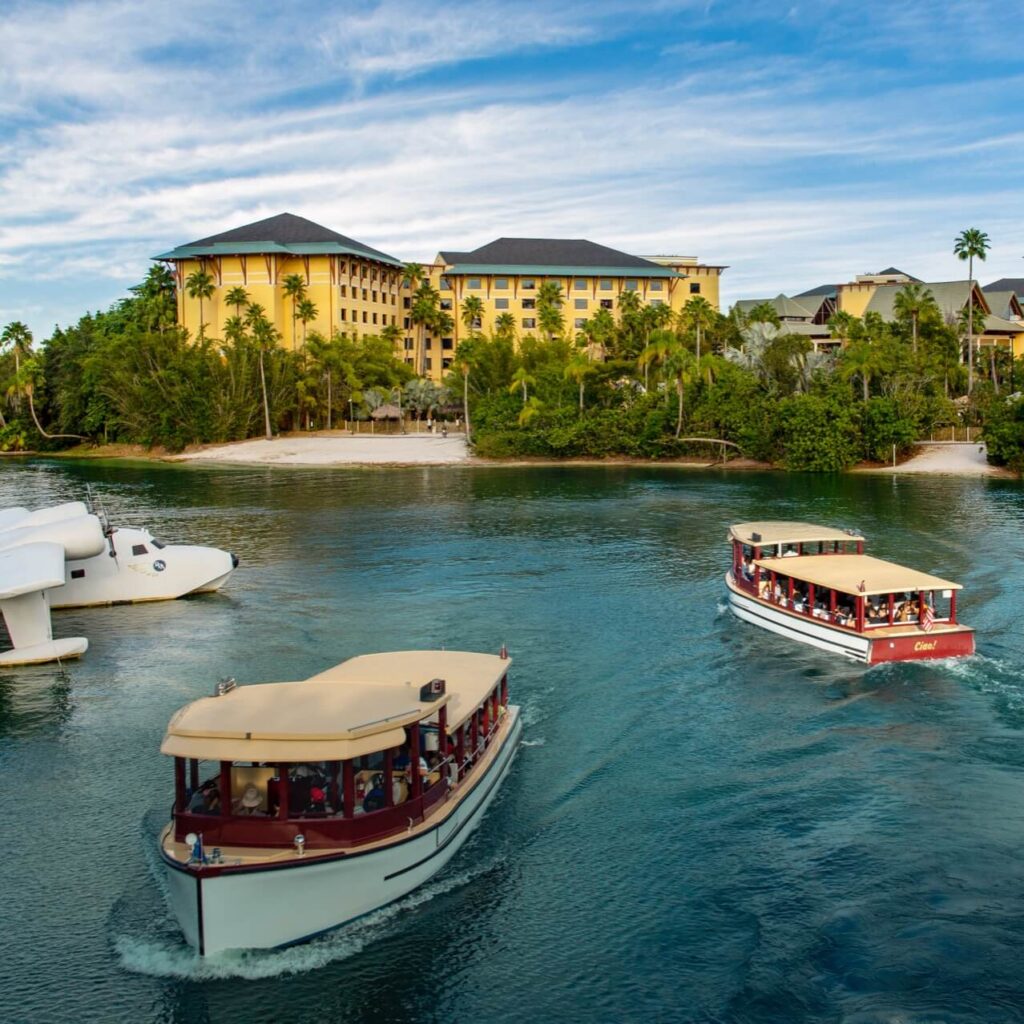
Hotels with 200+ rooms offer advantages that small properties simply cannot provide. Scale brings resources, consistency, and comprehensive service options that appeal to many travelers.
1. 24/7 Service Availability

Large hotels maintain full staffing around the clock. Room service operates past midnight. The front desk handles requests at 3 AM without hesitation. Housekeeping responds quickly to urgent needs.
Multiple restaurants mean dining options remain available even when one venue closes for maintenance or private events. This redundancy ensures guest needs are always met.
Business centers, fitness facilities, and pools maintain extended hours because sufficient guest volume justifies the operational costs. Modern travelers expect these conveniences, especially during extended stays.
2. Extensive Facility Options

Large properties can support multiple restaurants, bars, spas, and recreational facilities under one roof. Guests enjoy variety without leaving the premises, which particularly appeals to families and business travelers.
Conference and meeting facilities accommodate everything from intimate board meetings to conventions hosting thousands. This versatility makes large hotels essential for business travel and group events.
Fitness centers in large hotels often rival commercial gyms, featuring extensive equipment, group classes, and sometimes even personal trainers. Pool complexes might include multiple pools, hot tubs, and cabana service.
3. Inventory and Booking Flexibility
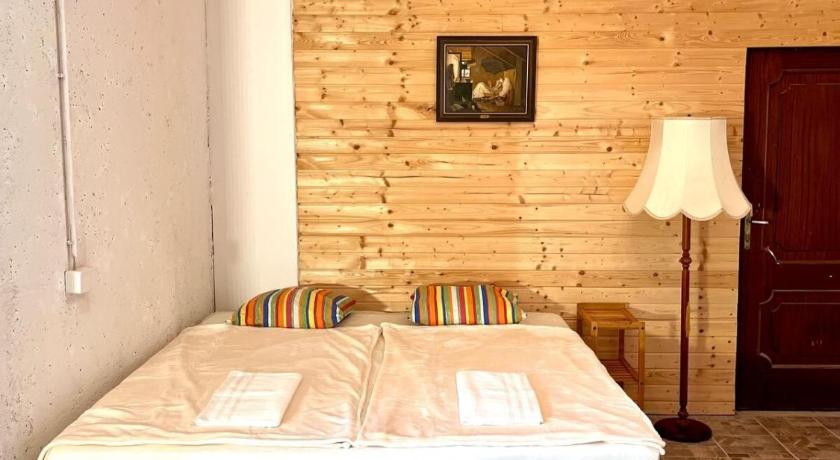
Large hotels handle last-minute bookings more easily due to higher room availability. They can also accommodate group reservations and room blocks that smaller properties cannot manage.
Multiple room categories mean options for different budgets and needs within the same property. Families can book connecting rooms while business travelers select executive floors with additional amenities.
Larger properties typically maintain relationships with booking platforms that provide better rate management and availability distribution across multiple channels.
Service Speed and Efficiency Across Different Scales
Hotel size directly impacts service delivery speed and efficiency. Both small and large properties face unique operational challenges that affect guest experiences in measurable ways.
1. Check-in and Check-out Processes
Small hotels often complete check-in within minutes because staff know arriving guests and can prepare personalized welcomes in advance. The process feels conversational rather than transactional.
Large hotels invest in technology to manage volume efficiently. Mobile check-in, keyless entry, and digital concierge services reduce wait times despite higher guest volumes.
However, large hotels can experience bottlenecks during peak periods like convention arrivals or tour group departures. Small properties rarely face these capacity challenges.
2. Housekeeping and Maintenance Response
Boutique properties can address maintenance issues immediately because smaller physical plants are easier to manage. A burned-out bulb gets replaced within the hour, not by end of business.
Large hotels maintain dedicated engineering staff but may prioritize requests based on guest status or severity. Response times can vary significantly depending on occupancy levels and staffing.
Room cleaning in small hotels often includes personal touches like handwritten notes or locally sourced amenities. Large properties focus on consistency and speed to handle room turnover efficiently.
3. Restaurant and Room Service Operations
Small hotel restaurants can accommodate special dietary requests more easily because kitchen staff have fewer covers to manage. Chefs can often customize dishes that larger operations cannot modify.
Large hotels offer more dining options but may require reservations even for hotel guests during peak periods. Room service might experience delays during high-demand times.
However, large properties typically maintain room service later into the evening and can handle multiple dietary restrictions simultaneously due to larger kitchen facilities and staff.
Privacy and Atmosphere Considerations
The scale of a hotel property fundamentally shapes the atmosphere and privacy levels guests experience throughout their stay.
1. Crowd Levels and Common Areas
Small hotels create intimate atmospheres where guests often interact naturally in lobbies, bars, or breakfast areas. These social environments appeal to travelers seeking authentic connections.
Large hotels can feel impersonal but offer anonymity that many guests prefer. Business travelers can work in lobbies without unwanted interruptions, and families can relax without feeling observed.
Pool and fitness areas in large hotels can become crowded during peak hours, while small properties might limit access to maintain exclusivity for all guests.
2. Noise and Activity Management
Boutique properties typically enforce stricter noise policies because sound travels more noticeably in smaller spaces. This creates quieter environments that appeal to guests seeking tranquility.
Large hotels face greater challenges managing noise from conferences, weddings, and large groups. However, their size allows better separation between business and leisure areas.
Room placement in large hotels can vary dramatically in quality. Corner rooms might be perfectly quiet while others near elevators or ice machines experience constant foot traffic.
3. Exclusive Access and VIP Treatment
Small hotels can make every guest feel special because limited capacity naturally creates exclusivity. Access to amenities never requires competition with hundreds of other guests.
Large hotels create tiered experiences through loyalty programs, executive floors, and premium room categories. VIP guests receive dedicated services that smaller properties cannot differentiate.
However, true exclusivity becomes diluted when multiple tiers of “VIP” guests exist simultaneously. Small properties avoid this issue by treating all guests as valued customers.
Technology Integration and Modern Conveniences
Hotel size significantly influences technology adoption and the digital experience guests encounter throughout their stay.
1. Digital Infrastructure Capabilities
Large hotels justify investments in cutting-edge technology because guest volume spreads costs across more users. High-speed WiFi, mobile apps, and smart room controls become economically viable.
Small hotels might partner with technology providers to access enterprise-level solutions, but implementation often happens more gradually due to budget constraints.
However, boutique properties can adopt new technologies more quickly because they have fewer systems to integrate and staff to train on new platforms.
2. Personalization Through Data
Large hotel chains leverage guest data across multiple properties to create personalized experiences. Your preferences from stays in different cities transfer automatically to new locations.
Small independent hotels rely on personal memory and manual note-taking to track guest preferences. This approach can feel more authentic but lacks the consistency of automated systems.
Advanced analytics help large hotels predict guest needs and optimize operations, while small properties depend on intuitive service and direct guest feedback.
3. Mobile and Contactless Services
Large hotels lead in contactless technology adoption, offering mobile check-in, digital keys, and app-based service requests. These solutions address volume challenges while meeting modern guest expectations.
Boutique hotels might offer similar technologies but often emphasize personal interaction over digital convenience. Guests receive both options based on individual preferences.
The pandemic accelerated contactless adoption across all hotel sizes, but implementation quality varies significantly based on available resources and technical expertise.
Cost Implications and Value Considerations
Hotel size directly impacts pricing strategies and the value equation guests evaluate when making booking decisions.
1. Pricing Models and Rate Structures
Large hotels offer more rate categories and can adjust pricing dynamically based on demand patterns. Advance bookings, corporate rates, and group discounts provide options for different budget levels.
Small hotels often maintain consistent pricing but may offer package deals that include unique experiences or partnerships with local businesses.
Boutique properties typically command premium rates because limited inventory creates natural scarcity. Guests pay more for exclusivity and personalized service.
2. Included Amenities and Hidden Costs
Large hotels might charge separately for WiFi, fitness access, or premium location rooms that small hotels include automatically. However, they also offer more amenities that justify higher base rates.
Small hotels often include amenities like breakfast, WiFi, and local phone calls because these costs are manageable with limited guests and help differentiate from larger competitors.
Resort fees and destination charges are more common at large properties because they can justify these additions through extensive facility offerings.
3. Value Perception and Guest Satisfaction
Guests evaluate value differently based on hotel size expectations. Small hotel guests prioritize service quality and unique experiences over facility breadth.
Large hotel guests often focus on amenity availability, location convenience, and brand reliability when assessing value received for money spent.
Satisfaction surveys consistently show that both small and large hotels can achieve high ratings, but for different reasons that reflect their operational strengths and guest expectations.
Ready to experience the perfect hotel size for your next trip? Explore accommodation options that match your travel style and preferences.
Choosing the Right Hotel Size for Your Travel Needs
Selecting between small and large hotels requires honest assessment of your travel priorities, group size, and desired experience type.
1. Business Travel Considerations
Business travelers often prefer large hotels for reliable WiFi, 24-hour business centers, and proximity to corporate facilities. Meeting space availability and airline partnership benefits also influence decisions.
However, boutique properties can provide quieter environments for calls and work, plus memorable experiences that enhance business relationship building.
Consider your specific business needs. Presentations requiring AV equipment favor large hotels, while relationship-focused meetings might benefit from intimate boutique settings.
2. Family and Group Travel Dynamics
Large families typically require multiple rooms, connecting options, and extensive recreational facilities that small hotels cannot accommodate effectively.
Small groups seeking shared experiences might prefer boutique properties where everyone receives equal attention and unique local experiences become possible.
Consider group dynamics carefully. Active families need pools and activities, while adult groups might prioritize unique dining and cultural experiences.
3. Special Occasions and Celebrations
Romantic getaways and anniversaries often benefit from boutique hotel intimacy and personalized service that creates memorable moments.
Large celebrations like weddings or family reunions require the space, capacity, and coordinated services that only large properties can provide effectively.
Match the occasion to the setting. Intimate celebrations thrive in small hotels, while events requiring coordination across multiple services need large hotel resources.
Hotel size shapes every aspect of your travel experience from the moment you book until final checkout. Understanding these differences empowers you to choose accommodations that align with your specific needs and expectations.
Whether you prefer the intimate charm of boutique properties or the comprehensive services of large hotels, both options offer distinct advantages that can enhance your travel experiences when matched appropriately to your goals.
Leave a Reply