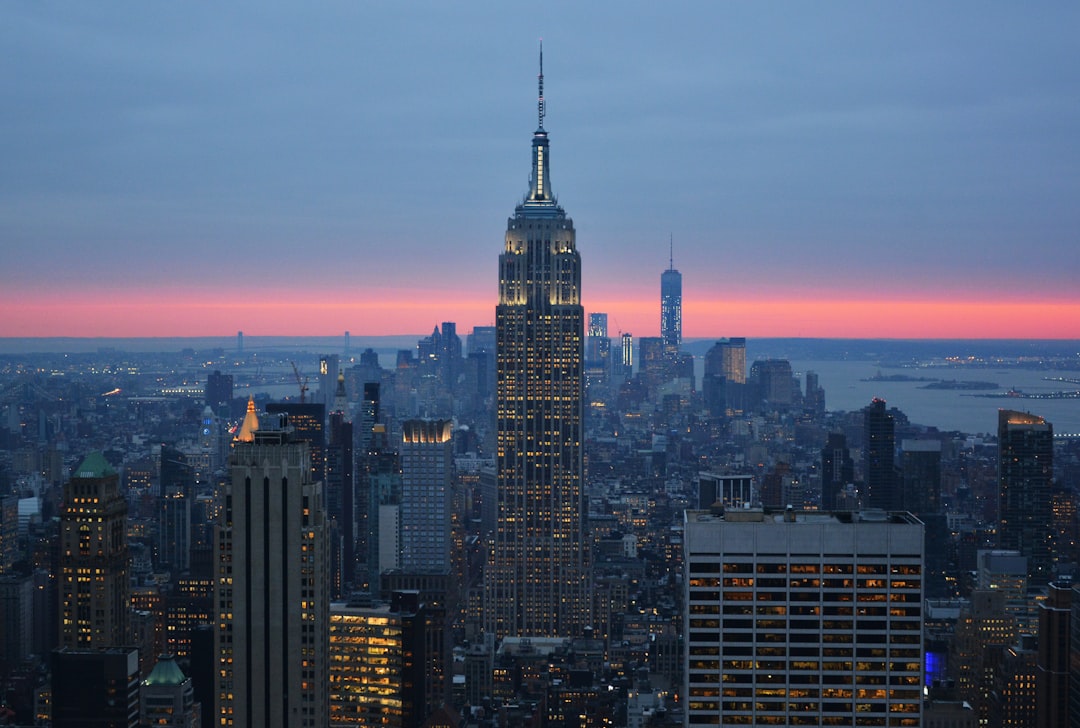
The Golden Age Icons That Built Manhattan’s Reputation
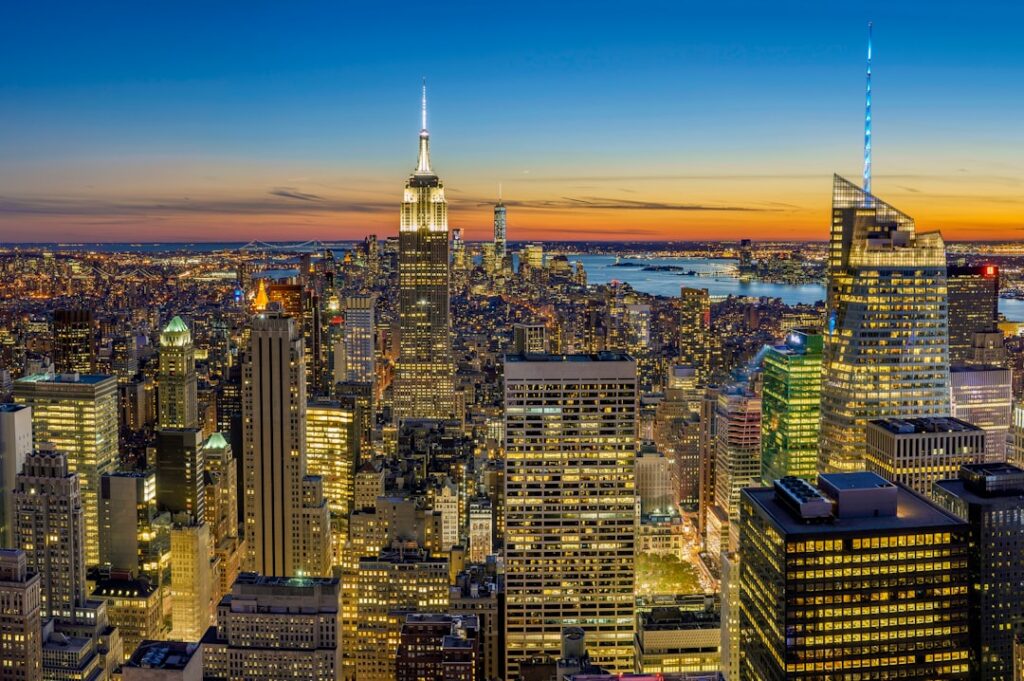
New York’s hotel scene reads like a greatest hits album of American luxury. These storied properties have hosted presidents, movie stars, and titans of industry for over a century. Each establishment carries decades of refined service and architectural grandeur that money simply cannot replicate overnight.
The city’s most celebrated hotels transcend mere accommodation. They function as cultural institutions, backdrops for historic moments, and symbols of New York’s relentless pursuit of excellence. Walking through their marble lobbies feels like stepping into living museums of hospitality.
1. The Plaza Hotel: Fifth Avenue’s Crown Jewel
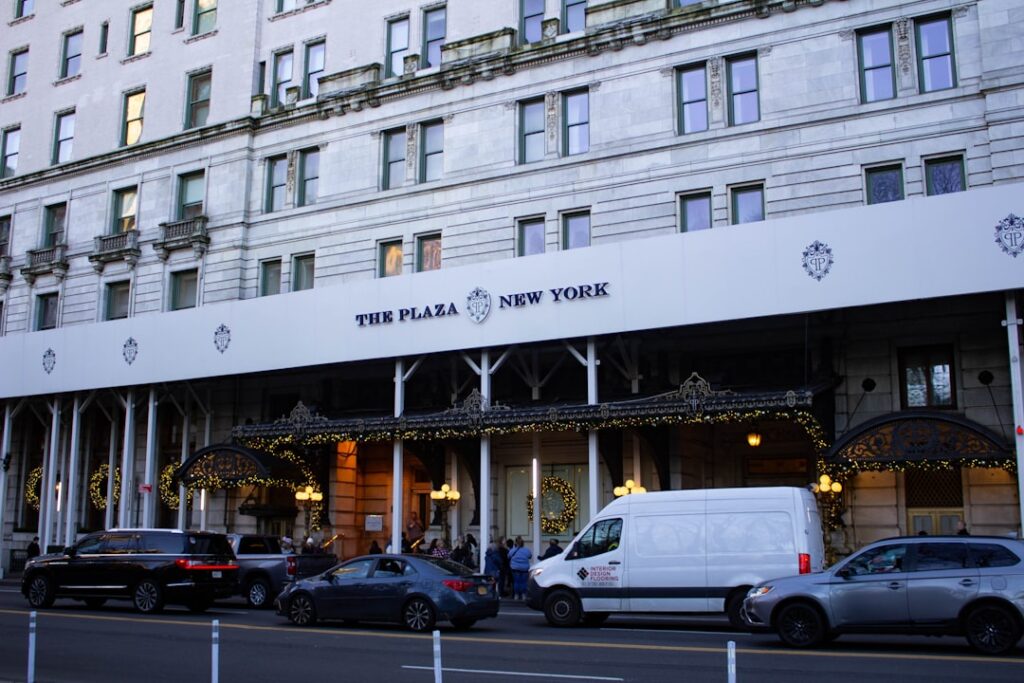
The Plaza stands as Manhattan’s most recognizable luxury hotel, its French Renaissance facade commanding attention at Fifth Avenue and Central Park South. Since 1907, this legendary property has defined what it means to stay in style in New York City.
Hollywood immortalized The Plaza through countless films, from “North by Northwest” to “Home Alone 2.” Eloise, Kay Thompson’s fictional six-year-old who lived at the hotel, became a cultural icon representing childhood luxury and whimsy.
The hotel’s Oak Room once served as the city’s premier power lunch destination. Today, The Plaza Food Hall by Todd English offers a more casual but equally sophisticated dining experience. The Palm Court remains the crown jewel, serving afternoon tea beneath a stunning stained-glass ceiling.
Presidential suites here command astronomical rates, but the experience justifies every dollar. Central Park views, marble bathrooms larger than most Manhattan apartments, and service that anticipates your needs before you voice them.
2. The St. Regis New York: Astor Family Legacy
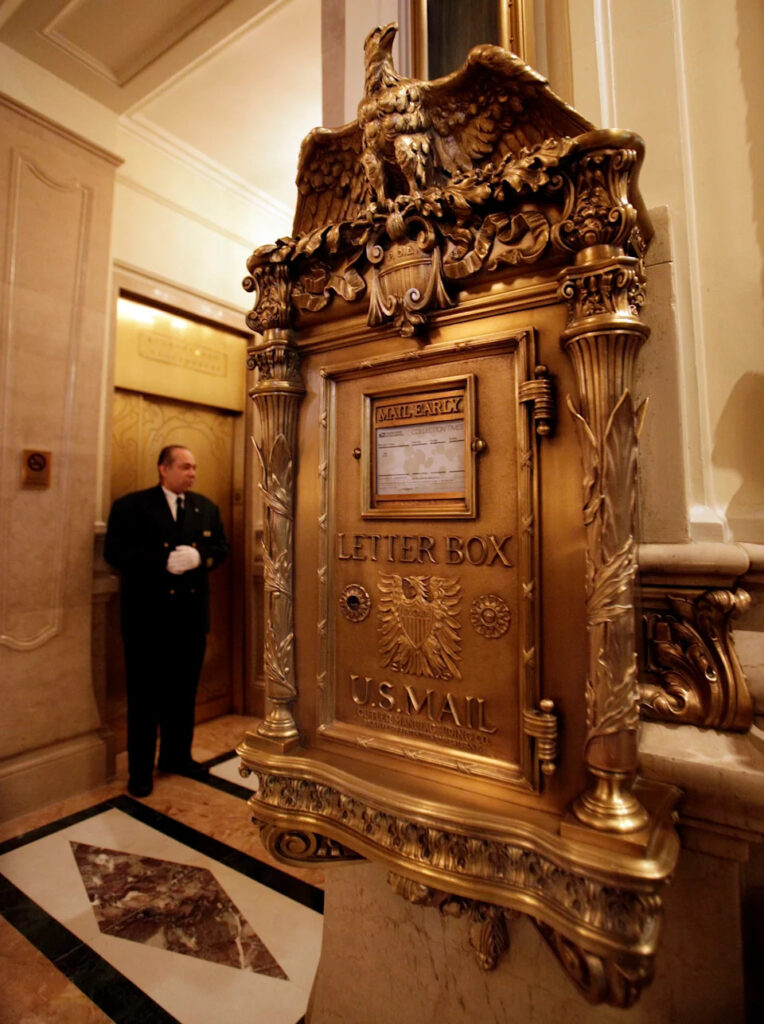
John Jacob Astor IV opened The St. Regis in 1904 with a single mission: create America’s finest hotel. The Beaux-Arts masterpiece on East 55th Street achieved that goal and maintains its position among New York’s most beautiful hotels today.
The St. Regis pioneered many luxury hotel standards we take for granted. Air conditioning, private bathrooms in every room, and 24-hour room service all debuted here. The property’s signature Butler Service continues to set the gold standard for personalized hospitality.
King Cole Bar houses Maxfield Parrish’s famous mural and claims to be the birthplace of the Bloody Mary. Whether that’s true or marketing genius, the cocktails here rank among the city’s finest. The mahogany-paneled space exudes old-world sophistication that newer establishments struggle to match.
3. The Carlyle: Upper East Side Elegance
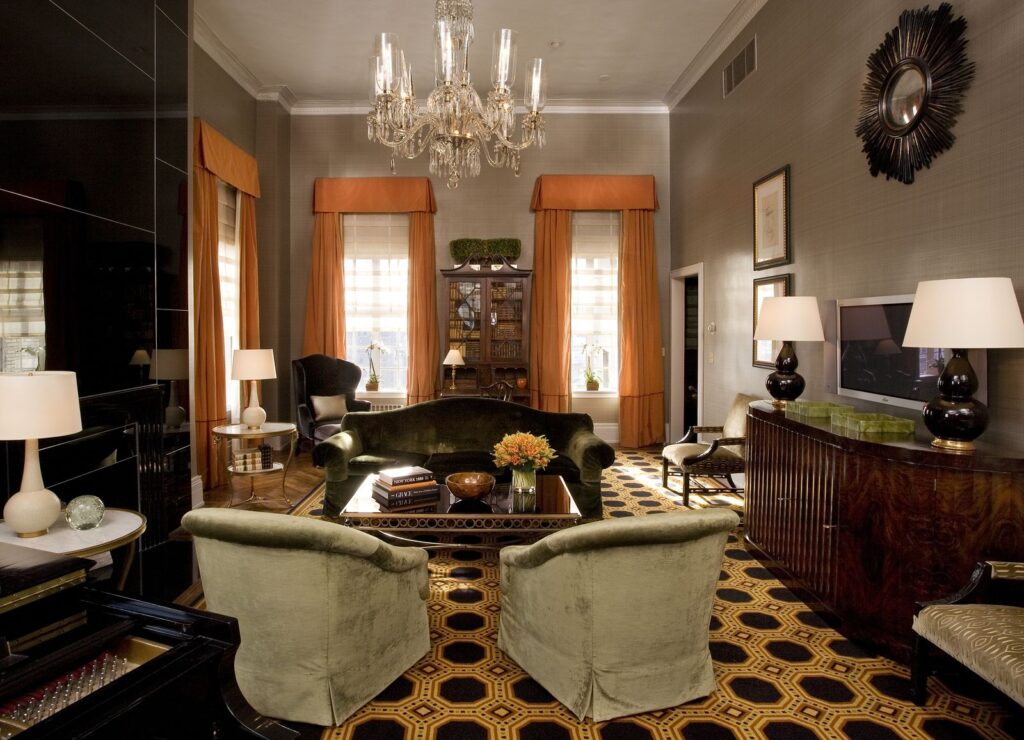
The Carlyle occupies a unique position in New York’s luxury hotel hierarchy. This Art Deco tower on Madison Avenue attracts guests seeking discretion over flash, substance over spectacle. European royalty and American presidents choose The Carlyle precisely because it doesn’t court publicity.
Café Carlyle showcases world-class entertainment in an intimate setting. Woody Allen occasionally performs here with his jazz band, continuing a tradition that includes Bobby Short and Eartha Kitt. The venue’s sophisticated programming reflects the hotel’s commitment to cultural excellence.
Rosemary’s Baby filmed several scenes here, but The Carlyle’s real drama unfolds behind closed doors. JFK maintained a suite here during his presidency. The hotel’s staff perfected the art of selective amnesia long before non-disclosure agreements became standard practice.
Modern Titans Redefining Luxury Standards
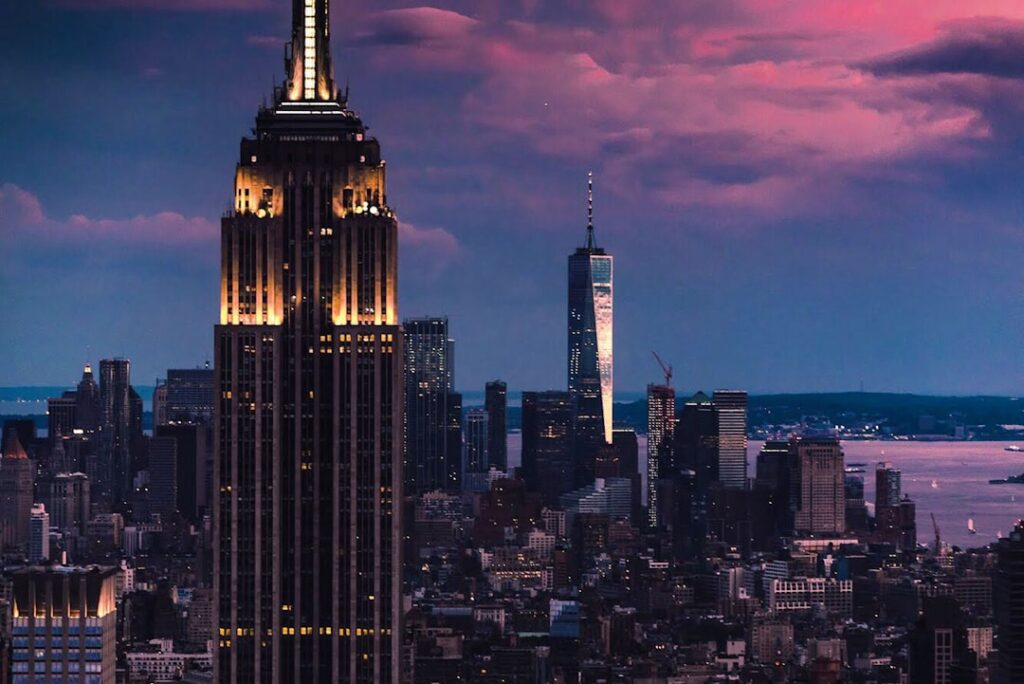
While New York’s historic hotels command respect through longevity, newer properties earn recognition through innovation and contemporary luxury. These modern establishments prove that excellent hospitality continues evolving while honoring the city’s sophisticated traditions.
4. The Greenwich Hotel: Tribeca’s Boutique Pioneer
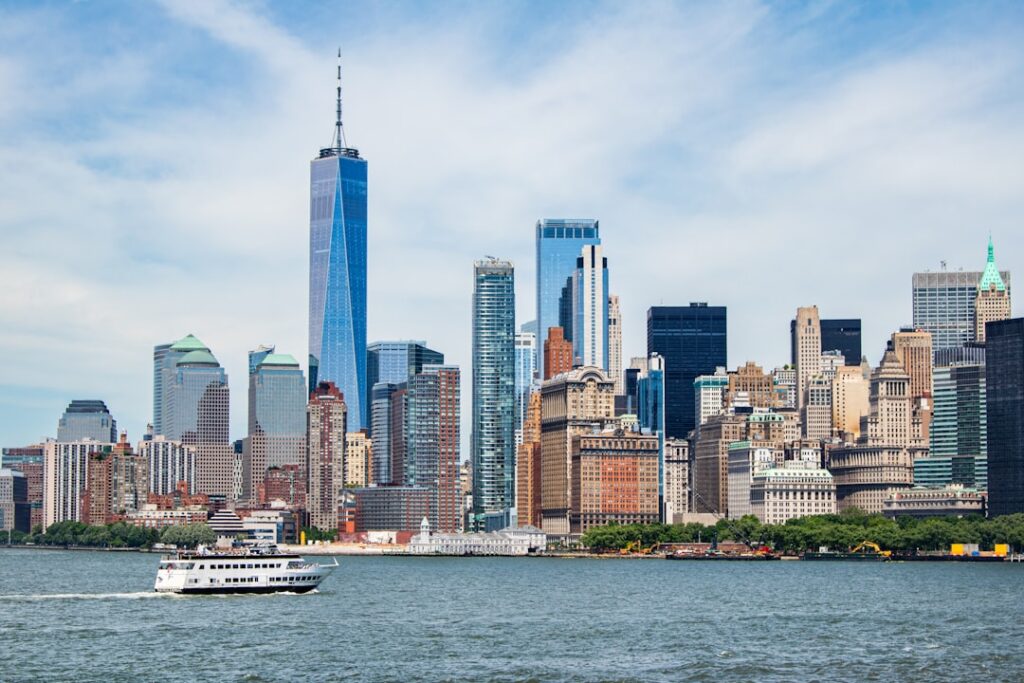
Robert De Niro co-owns this intimate Tribeca property that feels more like a private club than a commercial hotel. The Greenwich Hotel opened in 2008 and immediately established itself among discerning travelers’ favorite accommodations through meticulous attention to design and service.
Each room features unique furnishings collected from around the world. Tibetan silk rugs, Moroccan tiles, and Italian marble create spaces that feel curated rather than decorated. No two accommodations look identical, ensuring every stay offers fresh visual experiences.
Locanda Verde occupies the hotel’s ground floor, serving rustic Italian cuisine that attracts celebrities and locals equally. The restaurant’s success demonstrates how great hotels enhance their neighborhoods rather than simply occupying space within them.
5. The Bowery Hotel: Downtown Cool Personified
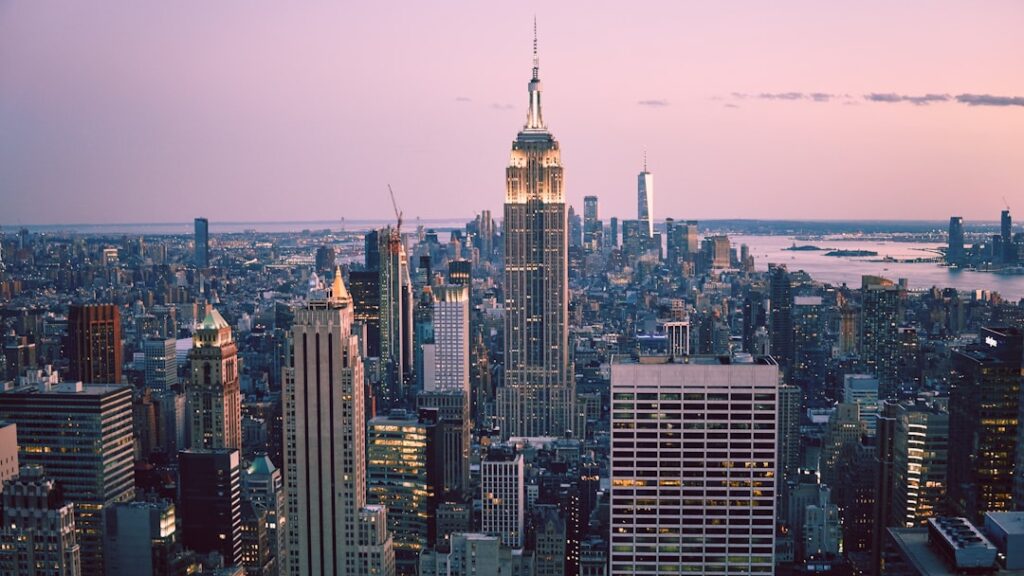
The Bowery Hotel brought sophisticated hospitality to a neighborhood previously known for entirely different reasons. This red-brick tower rises above the historic Bowery, offering panoramic city views and rooms that perfectly capture downtown Manhattan’s creative energy.
Eric Goode’s design philosophy emphasizes warmth over ostentation. Rich fabrics, vintage furnishings, and contemporary art create spaces that feel both luxurious and lived-in. The lobby’s massive fireplace serves as the hotel’s social center, where fashion photographers mingle with art collectors.
Gemma restaurant serves Italian-inspired cuisine in a space that buzzes with creative energy. The hotel’s location places guests within walking distance of SoHo shopping, East Village nightlife, and Lower East Side galleries. Geography matters in New York, and The Bowery Hotel occupies prime cultural real estate.
6. 1 Hotels Central Park: Sustainable Luxury Pioneer
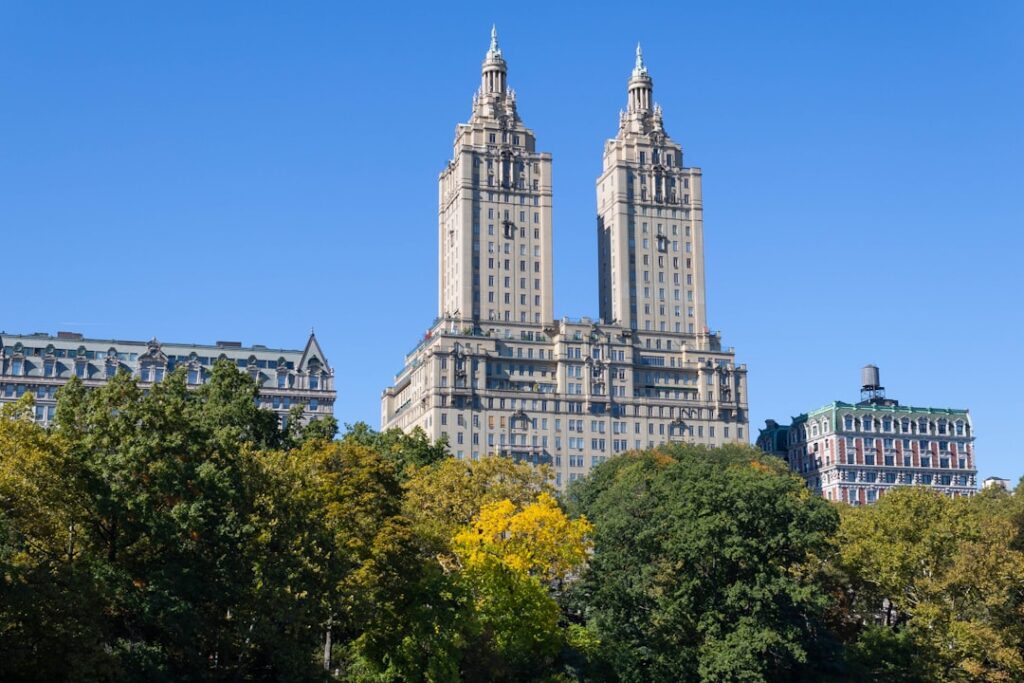
Environmental consciousness meets five-star service at this sustainable luxury property overlooking Central Park. Opened in 2015, 1 Hotels Central Park proves that eco-friendly practices enhance rather than compromise the luxury experience.
Reclaimed wood, living walls, and hemp-blend linens create spaces that connect guests with nature despite their Manhattan location. Floor-to-ceiling windows maximize natural light and park views. Every design element serves both aesthetic and environmental purposes.
Jams restaurant focuses on locally sourced, seasonal cuisine that changes with New York’s agricultural calendar. The rooftop bar offers craft cocktails made with house-grown herbs. These aren’t gimmicks but genuine commitments to sustainable hospitality that other luxury hotels increasingly emulate.
The Business Traveler’s Sophisticated Sanctuaries
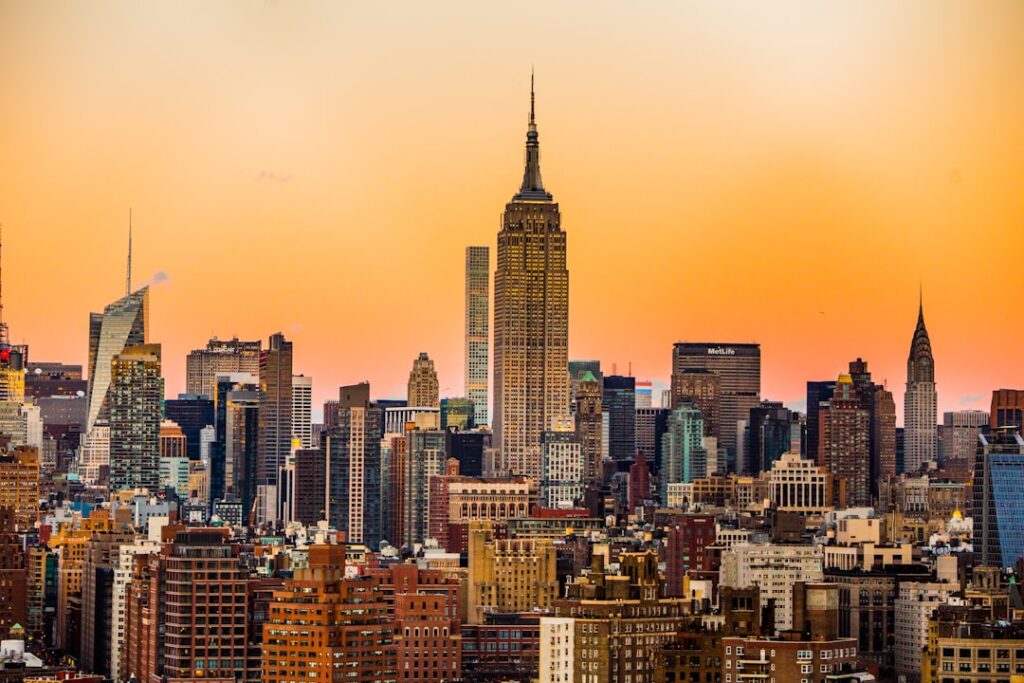
New York’s status as a global business capital demands hotels that cater to executive travelers who require more than comfortable beds and reliable Wi-Fi. These properties understand that successful business travel blends productivity with pleasure, creating environments where deals happen over exceptional meals and meaningful relationships form in carefully designed social spaces.
7. The New York EDITION: Madison Square Park Sophistication
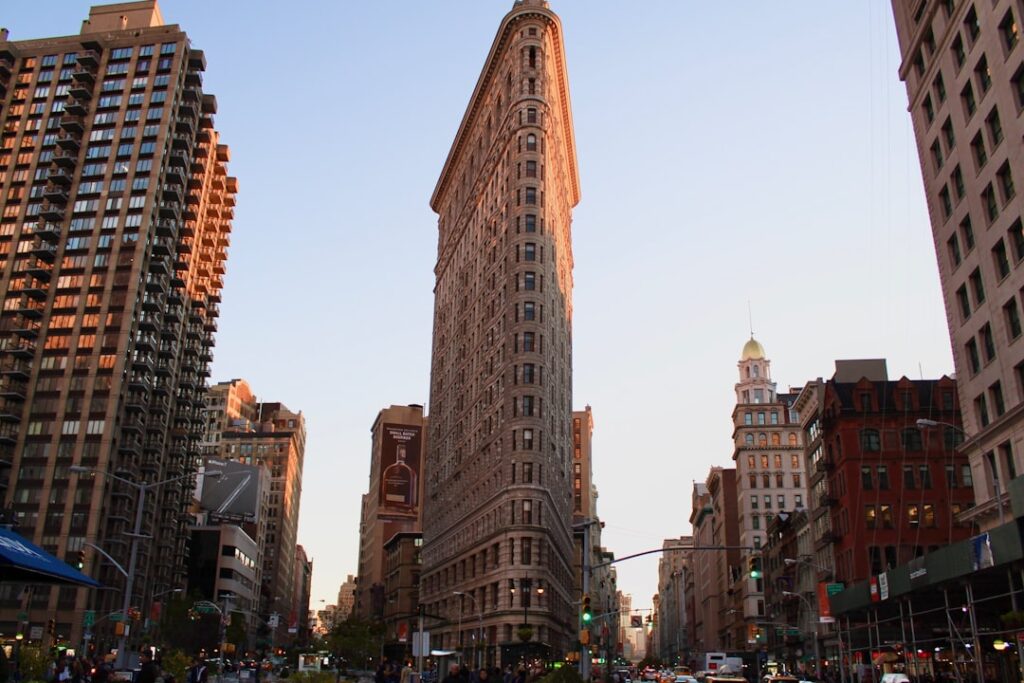
Ian Schrager’s collaboration with Marriott produced this sleek property that brings nightlife expertise to luxury hospitality. The New York EDITION occupies a prime Flatiron District location, placing business travelers within easy reach of both Midtown offices and downtown creative agencies.
Michelin-starred chef John Fraser oversees The Clocktower restaurant, which serves contemporary American cuisine in a soaring space that transitions seamlessly from business lunch venue to evening destination. The adjacent bar program crafts cocktails that justify their Manhattan pricing through exceptional ingredients and expert execution.
Meeting spaces here feel more like private clubs than corporate conference rooms. Natural light, contemporary art, and sophisticated technology create environments where important conversations happen naturally. Business travelers appreciate spaces that elevate rather than merely accommodate their professional needs.
8. The William Vale: Brooklyn’s Luxury Ambassador
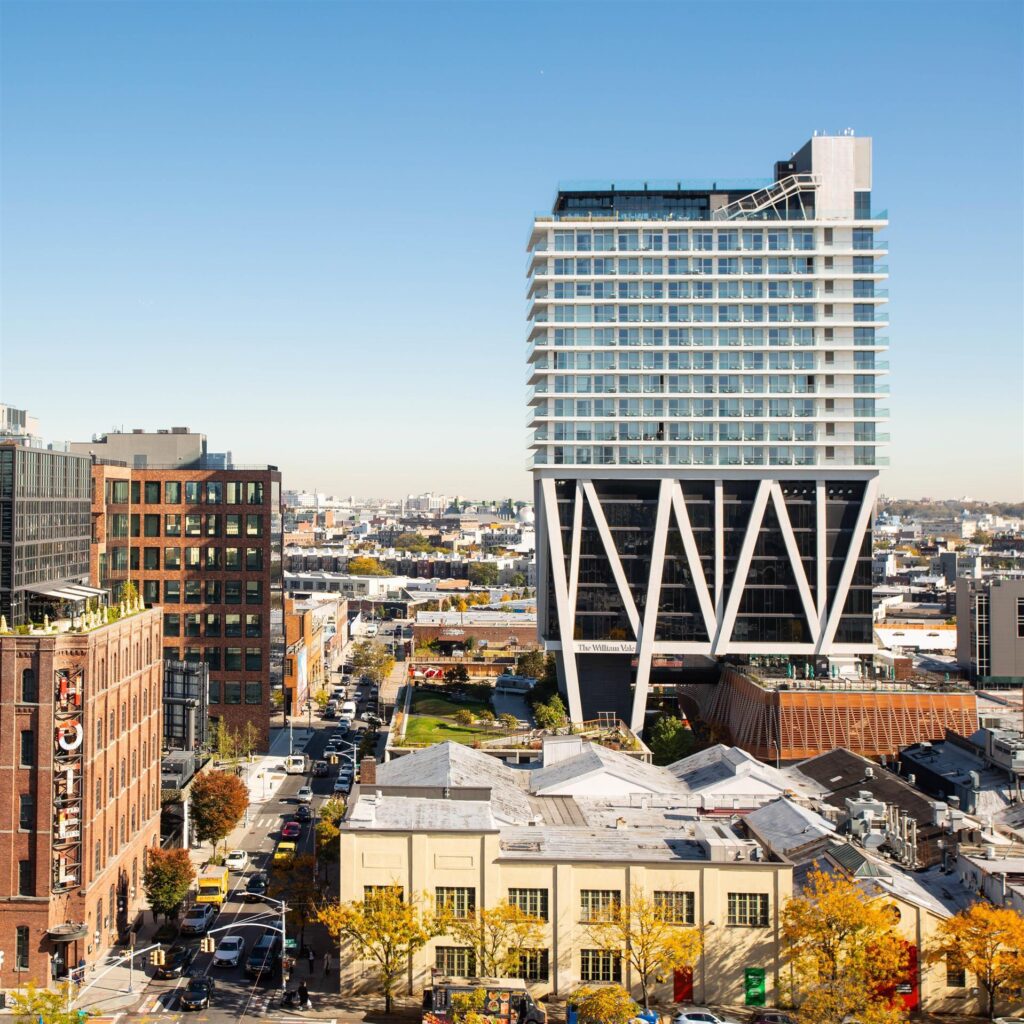
This Williamsburg tower represents Brooklyn’s emergence as a legitimate luxury destination rather than Manhattan’s quirky younger sibling. The William Vale opened in 2016 with Manhattan skyline views that rival any property across the East River.
Leuca restaurant brings Southern Italian cuisine to Brooklyn’s waterfront, while Westlight rooftop bar offers cocktails 22 floors above the borough. Both venues attract Manhattan residents willing to cross the bridge for exceptional experiences, validating Brooklyn’s luxury credentials.
The hotel’s contemporary design celebrates industrial Brooklyn while offering services that match Manhattan’s finest properties. Business travelers discover that Brooklyn locations often provide better value and fewer crowds while maintaining luxury standards. The subway connects guests to Manhattan offices in minutes.
Timeless Appeal Meets Contemporary Relevance
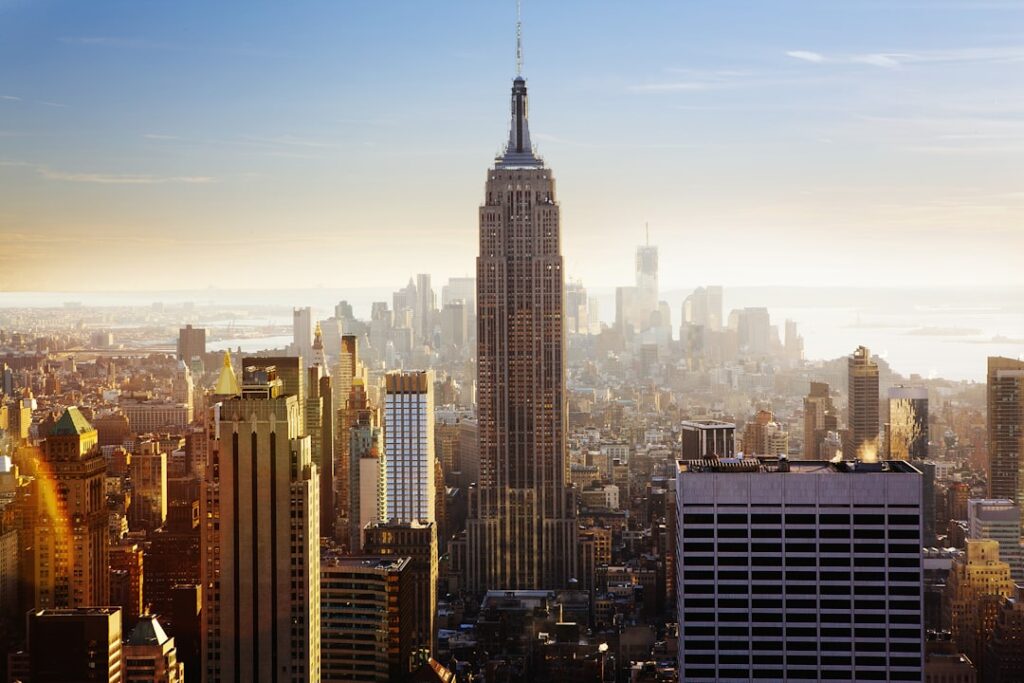
New York’s most famous hotels succeed by balancing respect for their heritage with adaptation to modern expectations. Today’s luxury travelers demand environmental consciousness, technological integration, and authentic local experiences alongside traditional five-star amenities.
9. The Lowell: Upper East Side’s Best-Kept Secret
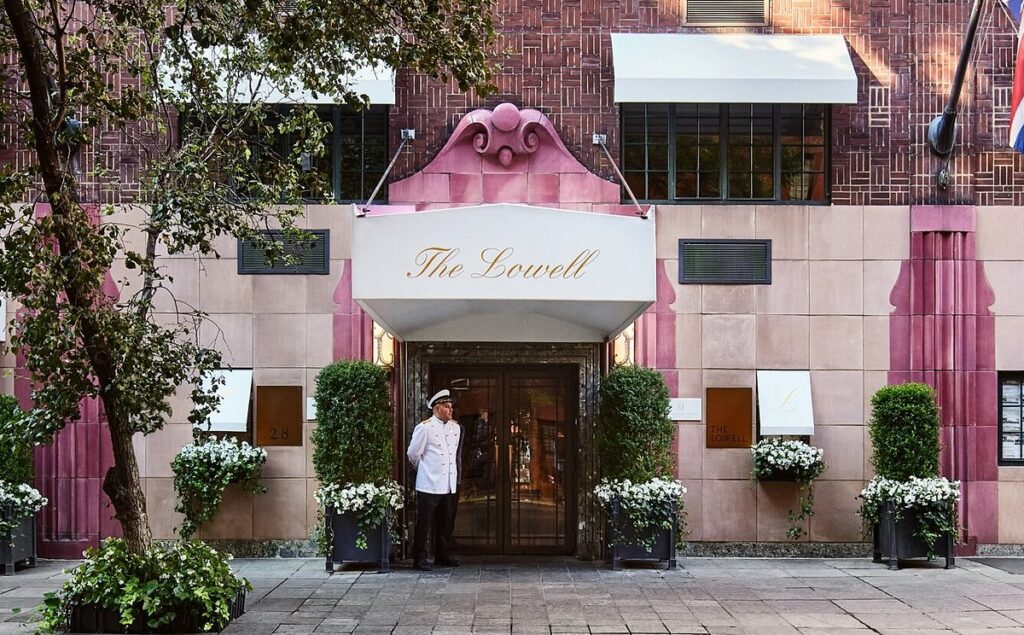
This intimate property on East 63rd Street operates more like a private residence than a commercial hotel. The Lowell’s 74 rooms and suites occupy a 1920s building that epitomizes Upper East Side sophistication without the stuffiness that sometimes accompanies it.
Many accommodations feature working fireplaces, full kitchens, and private terraces. These aren’t hotel rooms but temporary homes for guests who prefer privacy over publicity. The property’s discretion attracts celebrities, executives, and international visitors who value anonymity above recognition.
The Post House restaurant serves classic American steakhouse cuisine in a clubby atmosphere that encourages lingering conversations. Service here operates on the assumption that guests prefer subtle assistance to hovering attention. This philosophy creates an environment where luxury feels effortless rather than performed.
Planning Your New York Hotel Experience
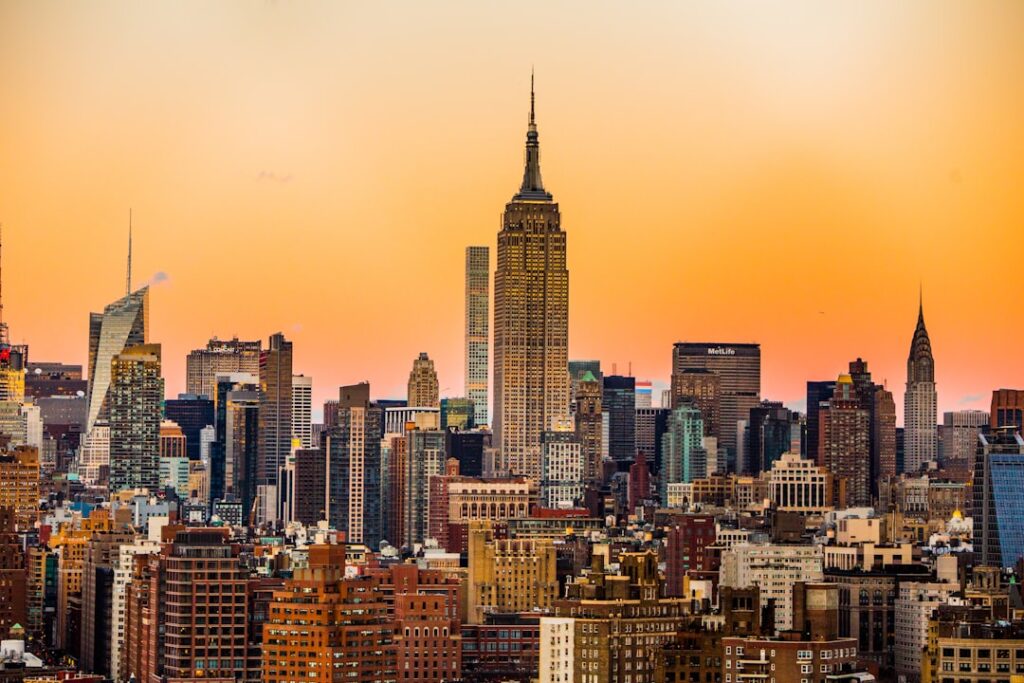
Choosing among New York’s legendary hotels requires matching your preferences with each property’s distinct personality. Consider your priorities: central location versus neighborhood charm, historic grandeur versus contemporary design, bustling energy versus intimate atmosphere.
Booking strategies matter significantly in New York’s competitive hotel market. Advance reservations often secure better rates and room categories, especially during peak seasons. However, last-minute deals sometimes emerge when occupancy projections fall short of expectations.
Ready to experience New York’s legendary hospitality firsthand? Research current availability and exclusive packages to discover which of these iconic properties aligns with your travel style and budget. The perfect New York hotel stay awaits your decision.
Seasonal considerations influence both pricing and experience quality. Spring and fall offer optimal weather for exploring the city, while winter provides cozy luxury and holiday decorations that transform these properties into magical retreats. Summer brings outdoor dining and rooftop bar seasons that showcase New York’s social energy.
Leave a Reply