
The accommodation you choose shapes your entire travel experience. Whether you’re planning a weekend city break, a family vacation, or a romantic retreat, understanding the distinct advantages of hotels, resorts, and boutique properties will transform how you approach your next booking decision.
Each accommodation type serves different travel goals and personal preferences. The key lies in matching your specific needs, budget, and travel style with the right property category. This strategic approach ensures you get maximum value and satisfaction from your investment.
Modern travelers face an abundance of choices, from luxury hotel chains to intimate boutique properties and sprawling resort complexes. The decision becomes easier when you understand what each option truly offers beyond marketing promises.
Understanding Traditional Hotels: The Reliable Foundation

Traditional hotels remain the backbone of the hospitality industry for good reason. They offer consistency, reliability, and standardized service levels that business and leisure travelers have come to expect. Major hotel chains like Marriott, Hilton, and Hyatt have built their reputations on delivering predictable experiences across global locations.
The strength of traditional hotels lies in their operational efficiency and brand standards. You know exactly what amenities to expect, from room configurations to loyalty program benefits. This predictability makes them ideal for business travelers who need reliable wifi, 24-hour room service, and proximity to business districts.
1. Business Travel Advantages

Hotels excel in business-focused amenities that independent properties often struggle to match. Conference facilities, business centers, and meeting rooms come standard at most full-service hotels. The infrastructure supports corporate events, client meetings, and extended work sessions seamlessly.
Location strategy favors business travelers significantly. Most major hotel chains secure prime real estate near airports, financial districts, and convention centers. This positioning reduces travel time and transportation costs for business-focused trips.
2. Loyalty Program Benefits
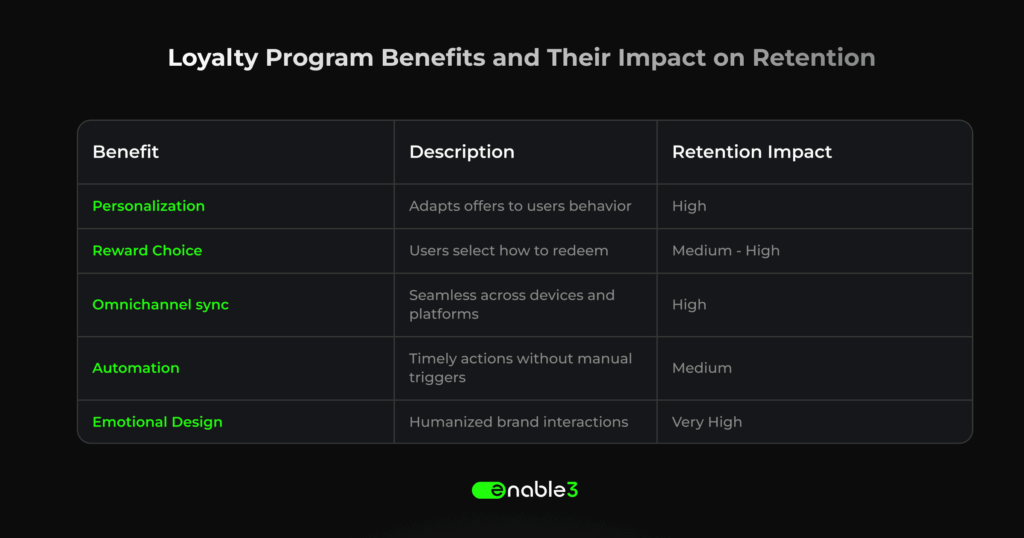
Hotel loyalty programs offer tangible value that accumulates over time. Elite status unlocks room upgrades, late checkout, complimentary breakfast, and priority reservations. Frequent travelers can maximize these benefits across hundreds of properties worldwide.
Point redemption systems provide flexibility for future bookings. Accommodation platforms now integrate with major hotel loyalty programs, making it easier to compare point values against cash rates for optimal booking decisions.
3. Standardized Service Quality

Brand standards ensure consistent service delivery regardless of location. Staff training programs follow corporate protocols that maintain quality across different markets and cultural contexts. This consistency reduces the risk of service disappointments during important business or leisure trips.
Quality assurance systems monitor guest satisfaction metrics continuously. Hotels respond quickly to service issues because brand reputation depends on maintaining standards across all properties in their portfolio.
Resort Experiences: All-Inclusive Luxury and Recreation

Resorts create self-contained vacation environments designed to minimize external planning and maximize relaxation. These properties typically feature extensive amenities, multiple dining options, and comprehensive entertainment programs. The all-inclusive model allows guests to budget their entire vacation upfront while enjoying unlimited access to resort facilities.
The resort experience centers around recreation and leisure activities. From championship golf courses to world-class spas, these properties invest heavily in amenities that justify premium pricing. Families particularly benefit from supervised children’s programs that allow parents to enjoy adult-focused activities.
1. Family-Friendly Infrastructure

Resorts design their facilities with multigenerational travel in mind. Kids’ clubs provide supervised activities while adults enjoy spa treatments or golf. Pool complexes feature different zones for various age groups, from toddler splash areas to adult-only infinity pools.
Dining variety accommodates different tastes and dietary requirements within families. Multiple restaurants eliminate the daily decision fatigue of choosing where to eat. Buffet options satisfy picky eaters while specialty restaurants cater to more adventurous palates.
2. All-Inclusive Value Proposition

The all-inclusive model simplifies vacation budgeting by bundling accommodation, meals, drinks, and activities into one upfront price. This approach works particularly well for longer stays where individual meal and activity costs would accumulate significantly.
Premium all-inclusive packages include top-shelf liquor, specialty dining reservations, and exclusive amenities like private beach areas. Travel experts recommend calculating the individual cost of included services to determine true value for your consumption patterns.
3. Destination Integration

Many resorts partner with local tour operators to offer authentic cultural experiences beyond the property boundaries. These partnerships provide curated excursions that showcase regional attractions while maintaining the security and convenience resort guests expect.
Transportation services connect resorts to airports and nearby attractions efficiently. Private shuttles, car rental partnerships, and concierge-arranged tours eliminate transportation planning stress for guests unfamiliar with local options.
Boutique Hotels: Personalized Luxury and Local Character
Boutique hotels prioritize individuality over standardization, creating unique experiences that reflect local culture and personal attention to detail. These properties typically feature fewer than 100 rooms, allowing for more personalized service and distinctive design elements. Independent ownership enables creative freedom in both aesthetics and service delivery.
The boutique experience emphasizes storytelling through design, cuisine, and cultural integration. Each property tells a specific story about its location, history, or design philosophy. This approach attracts travelers seeking authentic experiences that connect them more deeply with their destination.
1. Personalized Service Standards
Small property size enables staff to remember guest preferences and provide customized service. Front desk agents often know returning guests by name and anticipate their needs. This personal attention creates emotional connections that drive customer loyalty beyond traditional reward programs.
Flexibility in service delivery allows boutique properties to accommodate special requests more easily than chain hotels bound by corporate policies. Custom arrangements for celebrations, dietary restrictions, or accessibility needs receive individual attention from management.
2. Design and Aesthetic Excellence
Boutique hotels invest heavily in interior design and architectural details that create Instagram-worthy environments. Local artists, unique furnishings, and custom-designed spaces differentiate these properties from cookie-cutter chain hotels. Design elements often reflect the destination’s cultural heritage or natural environment.
Room individuality means each accommodation may feature different layouts, furnishings, or views. This uniqueness appeals to travelers who value distinctive experiences over predictable standardization.
3. Local Cultural Integration
Boutique properties excel at connecting guests with authentic local experiences. Restaurant partnerships, curator-led tours, and insider access to cultural events provide deeper destination immersion than generic tourist activities.
Local sourcing for amenities, food, and beverages supports community businesses while offering guests authentic regional products. Boutique hotel bookings often include these cultural elements as part of the overall experience package.
Budget Considerations and Value Analysis
Accommodation costs vary significantly between property types, but true value extends beyond nightly rates. Hotels typically offer mid-range pricing with predictable additional costs for amenities and services. Resorts command premium pricing but include services that would cost extra elsewhere.
Boutique hotels often price competitively with luxury chain hotels while offering more personalized experiences. The key to smart budgeting involves analyzing total trip costs, including meals, activities, and transportation, rather than focusing solely on accommodation rates.
1. Hidden Cost Analysis
Resort fees, parking charges, and Wi-Fi costs can add substantial amounts to advertised hotel rates. Consumer advocacy groups estimate these additional fees can increase total accommodation costs by 15-25% at major hotel chains.
All-inclusive resorts eliminate most hidden costs but may charge premiums for top-shelf liquor, specialty restaurants, or off-site excursions. Understanding what’s included helps avoid surprise charges during your stay.
2. Length of Stay Impact
Extended stays often favor hotels with kitchen facilities or apartment-style accommodations. Business hotels frequently offer weekly rates that reduce per-night costs for longer assignments. Boutique properties may provide package deals that include local experiences for extended visits.
Resort pricing typically decreases per night for longer stays, making week-long vacations more cost-effective than short getaways. The all-inclusive model shows greater value over extended periods when meal and activity costs accumulate.
Location Strategy and Accessibility
Property location significantly impacts your travel experience and overall trip costs. Hotels prioritize accessible locations near business districts, airports, and major attractions. This positioning strategy reduces transportation time and costs while providing easy access to local amenities.
Resorts often occupy premium natural locations like beachfront or mountain settings that justify higher rates through scenic beauty and recreational opportunities. These locations may require longer transfers from airports but offer immersive natural environments as compensation.
1. Urban vs. Resort Destinations
City locations favor hotels and boutique properties that integrate with urban attractions and business centers. Walkability to restaurants, shopping, and cultural sites adds value beyond accommodation amenities. Public transportation access reduces reliance on expensive taxi services or rental cars.
Resort destinations prioritize natural beauty and recreational facilities over urban convenience. Beach resorts, mountain lodges, and golf destinations create self-contained environments where location becomes part of the entertainment value.
2. Transportation Connectivity
Airport proximity affects both convenience and costs for short trips. Business hotels near major airports save time and transportation expenses for brief stays. Travel booking platforms now include transportation time and costs in their comparison tools for more accurate total trip pricing.
Remote resort locations may offer complimentary airport transfers that offset their distance disadvantage. Some luxury resorts provide helicopter or private jet services for guests willing to pay premium prices for convenience.
Making Your Final Decision
Your ideal accommodation choice depends on balancing personal preferences, travel objectives, and budget constraints. Business travelers prioritize reliability, efficiency, and loyalty program benefits that hotels deliver consistently. Families seeking comprehensive vacation experiences find better value in resort packages that include entertainment and dining.
Travelers prioritizing unique experiences and local cultural immersion benefit from boutique properties that offer personalized service and authentic destination connections. The decision ultimately comes down to what aspects of travel matter most to your specific situation and preferences.
Ready to book your next accommodation? Compare options across all property types to find the perfect match for your travel style and budget requirements.
1. Quick Decision Framework
Choose hotels for business travel, short city breaks, or when loyalty program benefits provide significant value. Their standardized service and prime locations support efficient, productive trips with minimal surprises or complications.
Select resorts for family vacations, romantic getaways, or when you prefer comprehensive packages that eliminate daily planning decisions. The all-inclusive model works best for longer stays in destination locations focused on relaxation and recreation.
Opt for boutique hotels when seeking unique experiences, personalized service, or deeper cultural connections with your destination. These properties excel for special occasions, creative inspiration, or when accommodation becomes part of your travel story rather than just a place to sleep.
2. Booking Strategy Tips
Book hotels during off-peak periods for better rates and potential upgrades, especially if you hold elite status with major chains. Business hotels often offer weekend discounts when corporate demand decreases.
Resort bookings benefit from advance planning and package deals that bundle flights, accommodation, and activities. Travel associations often negotiate group rates that provide significant savings for members.
Boutique hotel availability can be limited due to smaller room inventories, making early booking essential for popular destinations or peak travel periods. Direct booking with the property sometimes unlocks exclusive amenities or upgrades not available through third-party sites.
Leave a Reply