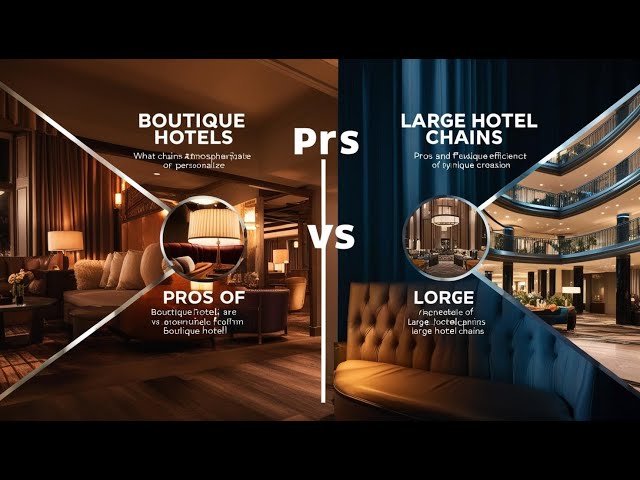
The hospitality industry has witnessed a fascinating evolution over the past decade. Travelers today face a choice that extends far beyond simple accommodation. They’re choosing between two distinct philosophies of hospitality: the intimate, curated experience of boutique properties versus the reliable, standardized service of chain hotels.
This decision impacts everything from your morning coffee ritual to the stories you’ll share long after checkout. Each option offers compelling advantages while presenting unique challenges that savvy travelers must weigh carefully.
Understanding these differences becomes crucial as hotel markets continue to diversify and traveler expectations grow more sophisticated. Your choice will shape not just where you sleep, but how you experience your entire destination.
The Boutique Hotel Experience

Boutique hotels represent hospitality as an art form. These properties typically house fewer than 100 rooms, allowing for an intimacy that larger establishments simply cannot match. Every detail receives careful consideration, from the locally sourced bathroom amenities to the carefully curated book selection in your room.
The philosophy centers on creating memorable moments rather than merely providing accommodation. Staff members often know guests by name within hours of arrival. This personal touch extends to recommendations that go beyond standard tourist attractions, opening doors to authentic local experiences.
1. Personalized Service That Anticipates Your Needs

Boutique hotel staff often possess encyclopedic knowledge of their local area. They’ll direct you to the underground jazz club that doesn’t advertise or the family-run restaurant where locals celebrate special occasions. This insider access transforms ordinary trips into extraordinary adventures.
The concierge might remember your preference for late checkout from your previous visit. Housekeeping notices you prefer extra pillows and ensures they’re waiting upon your next stay. These details create a sense of belonging that transcends typical guest-hotel relationships.
2. Unique Design and Architecture

Each boutique property tells its own visual story. A converted 19th-century warehouse in Brooklyn might feature exposed brick walls and industrial lighting. Meanwhile, a Mediterranean coastal retreat could showcase hand-painted tiles and locally crafted furniture.
Interior designers often collaborate with local artists to create spaces that reflect the destination’s character. You might find original artwork from neighborhood galleries adorning the walls or furniture crafted by regional artisans. These elements create Instagram-worthy moments while supporting local creative communities.
3. Culinary Excellence and Local Partnerships

Boutique hotel restaurants frequently partner with local farms, breweries, and specialty food producers. Menus change seasonally to reflect what’s fresh and available in the immediate area. This approach often results in dining experiences that rival standalone restaurants.
Many properties employ renowned chefs who view the hotel restaurant as their culinary canvas. These partnerships create destination dining experiences that attract both guests and locals, fostering a vibrant social atmosphere.
Chain Hotel Advantages

Chain hotels built their reputation on reliability and consistency. When you check into a recognized hotel brand, you know exactly what to expect. This predictability becomes invaluable for business travelers, families, and anyone who values seamless travel experiences.
The standardization that some critics dismiss as sterile actually represents a significant achievement in hospitality management. Every property maintains similar quality standards, amenities, and service levels regardless of location.
1. Consistency Across All Locations

A business traveler checking into a major chain hotel in Tokyo can expect the same high-speed internet, comfortable bedding, and room layout they experienced in the brand’s London property. This consistency eliminates unpleasant surprises and allows travelers to focus on their primary purpose for visiting.
Standardized operating procedures ensure that staff training meets uniform standards. Whether you need late-night room service or early morning transportation assistance, chain hotel staff possess the resources and protocols to address your needs efficiently.
2. Extensive Loyalty Programs and Rewards

Major hotel chains offer sophisticated loyalty programs that provide tangible value to frequent travelers. Elite status members enjoy benefits like room upgrades, late checkout, and access to executive lounges. These perks can significantly enhance the travel experience while providing substantial cost savings.
Points earned through stays can be redeemed for free nights, airline miles, or unique experiences. Some programs allow members to transfer points between hotel stays and partner airlines, maximizing the value of travel spending. Smart travelers often choose their accommodations based on these reward programs.
3. Advanced Technology and Digital Services

Chain hotels typically invest heavily in technology infrastructure. Mobile apps allow guests to check in remotely, select specific rooms, and even use smartphones as room keys. These digital conveniences streamline the arrival and departure process significantly.
Business centers offer reliable printing, scanning, and videoconferencing facilities. High-speed internet throughout the property supports remote work requirements. Many chains now provide smart room controls that allow guests to adjust lighting, temperature, and entertainment systems through intuitive interfaces.
Cost Considerations and Value Propositions
The financial aspect of choosing between boutique and chain hotels involves more than comparing nightly rates. True value encompasses the entire experience, from booking flexibility to additional amenities and services.
Boutique hotels often command premium pricing due to their limited inventory and high-touch service model. However, this higher cost frequently includes services that chain hotels charge separately, such as airport transfers, welcome amenities, or personalized concierge assistance.
1. Upfront Pricing Transparency
Chain hotels typically display clear pricing structures with optional add-ons clearly itemized. Breakfast, parking, and internet access might cost extra, but guests know these charges upfront. This transparency allows for accurate budget planning and comparison shopping.
Corporate rates and advance booking discounts are readily available through chain hotel websites and third-party booking platforms. Group bookings often receive significant discounts, making chain properties attractive for business conferences and family reunions.
2. Boutique Hotel Value Inclusions
Many boutique properties include amenities in their base rate that chain hotels charge separately. Complimentary breakfast featuring local specialties, airport transfers in luxury vehicles, and welcome gifts create added value that justifies higher nightly rates.
The personalized service often extends to problem resolution. If issues arise during your stay, boutique hotel management typically possesses greater flexibility to offer compensation or upgrades without navigating corporate approval processes.
Location and Accessibility Factors
Geographic considerations play a crucial role in the boutique versus chain hotel decision. Each type of property tends to gravitate toward specific locations that align with their operational models and target demographics.
Understanding these location patterns helps travelers choose accommodations that complement their itinerary and transportation preferences. The right location can transform a good trip into an unforgettable experience.
1. Chain Hotel Strategic Positioning
Major hotel chains secure prime locations near airports, business districts, and major attractions. Their corporate resources allow them to acquire and maintain properties in high-demand areas where real estate costs are substantial.
Highway accessibility and proximity to conference centers make chain hotels natural choices for business travelers and event attendees. Many properties offer complimentary shuttle services to nearby airports, reducing transportation costs and logistics concerns. Industry data shows that location remains the primary factor in hotel selection for business travelers.
2. Boutique Hotels in Unique Neighborhoods
Boutique properties often occupy distinctive locations that chain hotels overlook. A converted historic building in a trendy arts district or a renovated mansion in a residential neighborhood provides access to authentic local culture.
These locations frequently place guests within walking distance of independent restaurants, galleries, and shops that define a destination’s character. The trade-off might involve longer commutes to major business centers or tourist attractions, but the cultural immersion often compensates for this inconvenience.
Service Philosophy and Staff Interaction
The fundamental difference between boutique and chain hotels becomes most apparent in their approach to guest service. These philosophies shape every interaction from reservation to checkout, creating distinctly different hospitality experiences.
Service philosophy reflects broader operational priorities. Chain hotels emphasize efficiency and consistency, while boutique properties prioritize personalization and memorable moments. Neither approach is inherently superior, but each appeals to different traveler preferences and expectations.
1. Chain Hotel Service Efficiency
Chain hotel staff receive extensive training in standardized procedures designed to handle common guest requests efficiently. This systematic approach ensures that problems receive prompt resolution according to established protocols.
The corporate structure provides staff with clear escalation paths for complex issues. Guest relations managers possess authority to address complaints and often access to corporate resources that smaller properties cannot match. Experienced travelers appreciate this reliability, especially during business trips where time efficiency is paramount.
2. Boutique Hotel Personal Connections
Boutique hotel staff often develop genuine relationships with returning guests. They remember personal preferences, special occasions, and individual quirks that make each stay feel like visiting old friends.
The smaller scale allows management to empower staff with greater decision-making authority. Front desk agents can often authorize room upgrades or special amenities without seeking approval from distant corporate offices. This flexibility enables creative problem-solving and spontaneous acts of hospitality that create lasting positive impressions.
Amenities and Facilities Comparison
The amenities offered by boutique and chain hotels reflect their different operational scales and target markets. Each type of property allocates space and resources according to their guests’ priorities and expectations.
Modern travelers seek amenities that enhance both comfort and productivity. The challenge lies in identifying which property type delivers the specific amenities that matter most for your travel style and purposes.
1. Chain Hotel Comprehensive Facilities
Large chain hotels can dedicate significant space to amenities that smaller properties cannot accommodate. Full-service fitness centers with modern equipment, expansive conference facilities, and multiple dining options create a self-contained environment.
Business centers offer professional services like printing, copying, and videoconferencing in dedicated spaces designed for productivity. Many chain properties feature multiple restaurant concepts, from casual cafes to upscale dining rooms, accommodating diverse culinary preferences without leaving the hotel. American Hotel and Lodging Association research indicates that 73% of business travelers consider comprehensive on-site amenities essential for property selection.
2. Boutique Hotel Curated Experiences
Boutique hotels focus on fewer amenities but execute them with exceptional attention to detail. A smaller fitness center might feature premium equipment and personalized training sessions. The single restaurant typically offers higher-quality cuisine than multiple chain hotel dining options.
Unique amenities often reflect local culture and interests. A boutique hotel in wine country might offer private vineyard tours and tastings. An urban property could provide complimentary bicycles for neighborhood exploration or partnerships with local galleries for private viewing experiences.
Making the Right Choice for Your Travel Style
Selecting between boutique and chain hotels requires honest assessment of your travel priorities, budget constraints, and personal preferences. The perfect choice varies not only between different travelers but often between different trips for the same person.
Consider how each option aligns with your specific travel goals. A romantic anniversary getaway calls for different accommodations than a business conference or family vacation. Matching your hotel choice to your travel purpose significantly impacts overall trip satisfaction.
1. Business Travel Considerations
Business travelers often prioritize reliability, connectivity, and efficiency over unique experiences. Chain hotels excel in these areas while offering predictable quality standards that eliminate accommodation-related stress from business trips.
Loyalty program benefits become particularly valuable for frequent business travelers. Elite status perks like room upgrades and airport lounge access can significantly enhance the travel experience while providing tangible cost savings over time.
2. Leisure Travel Preferences
Leisure travelers seeking authentic local experiences and memorable moments often find boutique hotels more aligned with their goals. The personalized service and local connections create stories and experiences that extend far beyond the accommodation itself.
Special occasion travel particularly benefits from boutique hotel attention to detail. Anniversary celebrations, milestone birthdays, and honeymoons receive the kind of personalized treatment that transforms good trips into unforgettable experiences.
3. Budget and Value Optimization
Smart travelers evaluate total trip value rather than focusing solely on nightly rates. Include meals, transportation, and activity costs in your calculations. A boutique hotel’s higher room rate might be offset by included breakfast, airport transfers, and local experience recommendations that save money elsewhere.
Consider booking flexibility and cancellation policies when comparing options. Travel industry data shows that flexible booking terms have become increasingly important to travelers since 2024, influencing hotel selection decisions.
The choice between boutique and chain hotels ultimately depends on what you value most in your travel experience. Chain hotels offer reliability, consistency, and comprehensive amenities that serve business travelers and families exceptionally well. Boutique hotels provide personalization, local authenticity, and memorable experiences that leisure travelers often prefer.
Both options continue evolving to meet changing traveler expectations. Many chain hotels now incorporate local design elements and personalized services traditionally associated with boutique properties. Meanwhile, boutique hotel groups are standardizing certain operational aspects while maintaining their unique character and personal touch.
The hospitality industry’s future likely includes hybrid approaches that blend the best elements of both models. Until then, understanding these differences empowers you to choose accommodations that align perfectly with your travel goals, ensuring every trip meets your expectations and creates lasting positive memories.
Leave a Reply