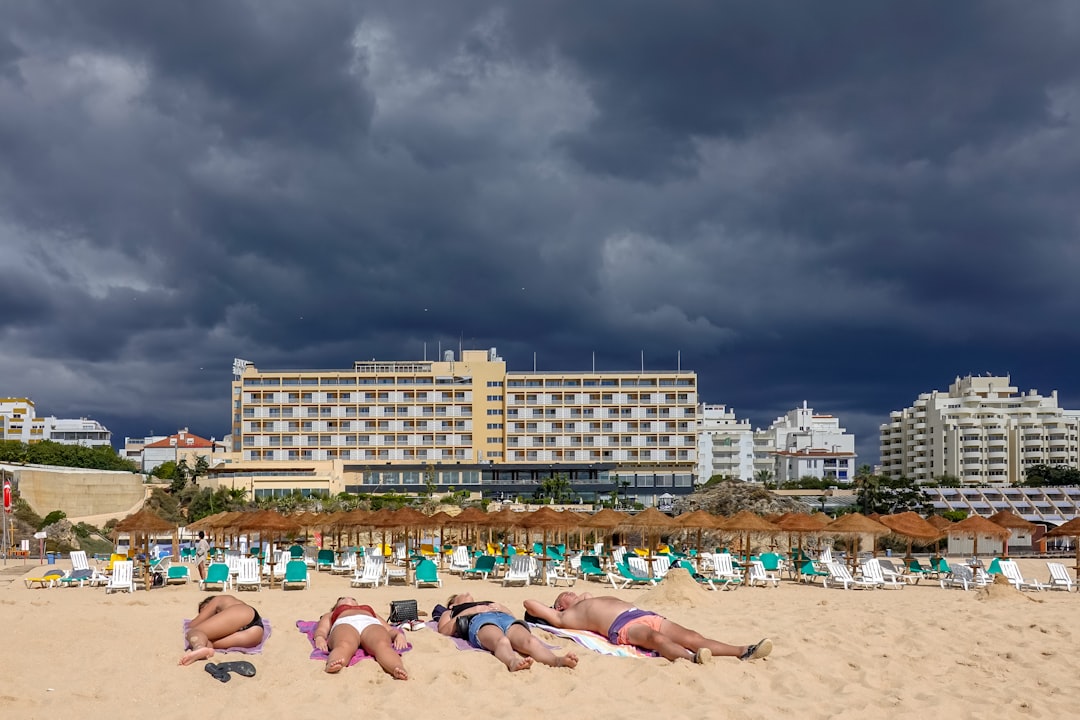
Weather doesn’t just determine whether you’ll need sunscreen or an umbrella. It’s the invisible puppet master pulling the strings behind hotel room prices across the globe.
Every time you book accommodation, sophisticated algorithms are crunching meteorological data alongside occupancy rates, local events, and historical patterns. The result? Dynamic pricing that shifts with the wind, literally.
Understanding this relationship between climate and cost can save you hundreds on your next getaway. More importantly, it reveals the fascinating economics of hospitality in our weather-driven world.
The Science Behind Weather-Based Hotel Pricing
Hotels operate on razor-thin margins where every percentage point of occupancy matters. Revenue management systems now integrate real-time weather data to predict demand fluctuations days or even weeks ahead.
These sophisticated platforms analyze temperature forecasts, precipitation probabilities, and extreme weather alerts. They cross-reference this data with historical booking patterns to identify optimal pricing windows.
A sudden forecast change from rain to sunshine can trigger automatic price increases within hours. Conversely, an unexpected storm warning might prompt flash sales to fill rooms that would otherwise remain empty.
1. Predictive Algorithms in Action
Modern hotel revenue management systems process millions of data points daily. Weather represents just one variable in complex equations that determine room rates.
These algorithms learn from past performance, identifying correlations between specific weather conditions and booking behaviors. A 10-degree temperature increase in a beach destination might historically correlate with a 15% jump in last-minute reservations.
The systems then adjust prices proactively, maximizing revenue potential before guests even realize they want to travel. It’s predictive commerce at its most sophisticated.
2. Regional Weather Variations
Geography plays a crucial role in weather-based pricing strategies. Mountain resorts track snowfall forecasts months in advance, while tropical destinations monitor hurricane seasons religiously.
European city hotels adjust rates based on seasonal sunshine hours and rainfall predictions. Asian properties factor in monsoon patterns and typhoon probabilities when setting annual pricing calendars.
This regional specialization means weather impacts vary dramatically across different hotel categories and locations. What drives prices up in one climate zone might have the opposite effect elsewhere.
Seasonal Patterns and Their Price Impact

Every destination experiences predictable seasonal fluctuations tied directly to weather patterns. These cycles form the backbone of hotel pricing strategies worldwide.
Peak seasons align with optimal weather conditions for each location’s primary attractions. Beach resorts charge premium rates during dry, warm months while ski lodges maximize revenue during heavy snowfall periods.
However, climate change is disrupting traditional seasonal patterns, forcing hotels to adapt their pricing models. Shifting weather patterns now require more dynamic approaches to revenue management.
1. Traditional Peak Season Pricing
Mediterranean hotels have long charged maximum rates during summer months when sunshine and warm temperatures guarantee beach weather. This predictable pattern allowed for straightforward seasonal pricing tiers.
Similarly, Alpine ski resorts built entire business models around winter snowfall seasons. Premium rates during December through March reflected optimal skiing conditions and holiday demand.
Caribbean destinations capitalized on Northern Hemisphere winter months, offering warm-weather escapes when travelers most craved sunshine and beach access.
2. Shoulder Season Opportunities
Shoulder seasons represent pricing sweet spots where favorable weather meets reduced demand. Spring and autumn often deliver excellent conditions at fraction of peak season costs.
Smart travelers target these periods when weather remains pleasant but school schedules and traditional vacation times reduce competition. Hotels offer significant discounts while still maintaining reasonable profit margins.
Flexible booking strategies during shoulder seasons can yield savings of 30-50% compared to peak periods with minimal weather-related compromises.
Extreme Weather Events and Price Fluctuations

Nothing disrupts hotel pricing like extreme weather events. Hurricanes, blizzards, heatwaves, and flooding create immediate supply and demand imbalances that trigger dramatic rate changes.
Hotels in affected areas often slash prices to attract any remaining travelers willing to brave adverse conditions. Meanwhile, nearby unaffected properties may raise rates as displaced bookings migrate to safer locations.
These events create unique opportunities for budget-conscious travelers and demonstrate weather’s profound influence on hospitality economics.
1. Hurricane and Storm Impacts
Hurricane forecasts trigger immediate pricing adjustments across entire regions. Properties in projected storm paths often implement liberal cancellation policies and reduce rates significantly.
Hotels outside danger zones frequently experience sudden booking surges as travelers reroute plans. This demand spike allows unaffected properties to implement premium pricing during what might otherwise be quiet periods.
Recovery periods following major storms present complex pricing challenges as destinations work to rebuild both infrastructure and tourist confidence.
2. Unexpected Weather Windfalls
Sometimes unexpected weather creates positive pricing opportunities for hotels. An unusually warm spring weekend might trigger last-minute booking sprees at beach destinations.
Surprise snowfall can transform struggling mountain resorts into weekend hotspots overnight. Dynamic pricing systems capitalize on these weather windfalls by adjusting rates in real-time.
Social media amplifies these effects as travelers share weather-related content that inspires spontaneous trip planning among their networks.
Geographic Variations in Weather-Price Relationships

Different regions exhibit unique relationships between weather patterns and hotel pricing strategies. Understanding these geographic variations helps predict where and when to find the best deals.
Tropical destinations follow different seasonal patterns than temperate regions. Desert locations operate on entirely distinct weather-price correlations compared to coastal areas.
International travelers must consider multiple climate zones when planning extended trips, as weather patterns shift dramatically across continents and hemispheres.
1. Tropical Climate Pricing
Tropical destinations experience less dramatic seasonal temperature variations but significant rainfall pattern changes. Dry seasons command premium rates while wet seasons offer substantial discounts.
However, many tropical locations maintain appeal even during rainy seasons due to brief, predictable shower patterns. Smart pricing strategies reflect these nuanced weather realities.
Weather monitoring services help travelers identify optimal booking windows within traditional wet seasons when rainfall risks remain manageable.
2. Continental Climate Dynamics
Continental climates exhibit extreme seasonal variations that create dramatic pricing swings. Summer and winter rates can differ by several hundred percent in some markets.
Cities like Moscow, Chicago, or Montreal experience such harsh winters that hotel demand plummets along with temperatures. Summer months compensate with premium pricing during brief favorable weather windows.
These markets reward travelers willing to embrace cold weather with exceptional value propositions and unique seasonal experiences.
Technology’s Role in Weather-Based Pricing
Modern hotel pricing relies heavily on sophisticated technology platforms that integrate weather data with dozens of other variables. These systems represent significant investments in predictive analytics capabilities.
Artificial intelligence and machine learning algorithms continuously refine weather-price correlations based on actual booking performance. The systems become smarter with each seasonal cycle.
Mobile weather apps and social media data now provide additional inputs that help hotels understand how weather influences consumer travel decisions in real-time.
1. Revenue Management Systems
Leading revenue management platforms like IDeaS and Duetto integrate multiple weather data sources into their pricing algorithms. These systems process forecasts from National Weather Service and private meteorological companies.
The platforms analyze historical correlations between specific weather conditions and booking patterns for each property. This creates customized weather-price sensitivity models unique to individual hotels.
Real-time adjustments happen automatically as forecast conditions change, ensuring optimal pricing without manual intervention from hotel staff.
2. Consumer Weather Apps and Booking Behavior
Popular weather apps like Weather Channel and AccuWeather influence when and where consumers decide to travel. Hotels monitor these platforms to understand how weather information spreads through target markets.
Social weather sharing on Instagram and Facebook creates viral effects that can suddenly boost demand for destinations experiencing perfect conditions. Hotels track these social signals to anticipate booking surges.
Push notifications about favorable weather conditions now directly influence last-minute travel decisions, creating new opportunities for dynamic pricing strategies.
Strategies for Savvy Travelers
Understanding weather-price relationships empowers travelers to make smarter booking decisions. The key lies in monitoring weather patterns alongside traditional travel deal hunting.
Flexible travelers can exploit weather-driven pricing fluctuations by remaining open to destination and date changes. This flexibility unlocks significant savings opportunities.
Consider booking accommodations through platforms that offer weather-based cancellation policies to minimize risks associated with unfavorable forecast changes.
1. Timing Your Bookings Around Weather Forecasts
Extended weather forecasts become more accurate within 7-10 day windows. This timeframe represents the sweet spot for weather-conscious booking decisions.
Monitor multiple weather services for destination forecasts before finalizing reservations. Slight variations in predictions might influence whether to proceed with bookings or wait for potentially better conditions.
Set up weather alerts for preferred destinations to identify unexpected favorable conditions that might create spontaneous travel opportunities.
2. Leveraging Shoulder Seasons and Weather Windows
Research historical weather patterns for destinations during shoulder seasons to identify months with favorable conditions but lower demand. These periods often provide optimal value propositions.
Consider destinations during their “opposite” seasons when weather remains acceptable but traditional peak demand subsides. Spring skiing or autumn beach vacations often deliver excellent experiences at reduced costs.
Build flexibility into travel plans to capitalize on weather-driven pricing opportunities as they emerge throughout the year.
Future Trends in Weather-Based Hotel Pricing
Climate change continues reshaping traditional seasonal patterns, forcing hotels to adapt their pricing strategies accordingly. Extreme weather events are becoming more frequent and intense.
Advanced meteorological modeling and artificial intelligence will enable even more precise weather-price correlations. Hotels will gain ability to optimize pricing based on hyperlocal weather conditions.
Sustainability concerns may also influence how weather data shapes pricing, with properties potentially offering incentives for travel during environmentally optimal conditions.
1. Climate Change Impacts on Pricing Models
Traditional seasonal pricing models face disruption as climate change alters predictable weather patterns. Ski resorts grapple with shortened seasons while beach destinations extend traditional peak periods.
Climate research suggests increasing weather volatility will require more dynamic pricing approaches that adapt quickly to changing conditions.
Hotels are beginning to factor long-term climate projections into strategic planning and pricing model development for future resilience.
2. Enhanced Predictive Capabilities
Emerging weather prediction technologies promise greater accuracy over extended timeframes. Hotels will gain ability to optimize pricing weeks or months ahead based on improved forecast reliability.
Satellite imagery and IoT sensors provide increasingly granular weather data that enables neighborhood-level pricing optimization within larger metropolitan markets.
Machine learning algorithms will continue improving their ability to identify subtle weather-booking correlations that human analysts might miss.
The Hidden Economics of Weather and Hospitality
Weather represents one of hospitality’s most powerful yet underappreciated economic drivers. Its influence extends far beyond obvious seasonal tourism patterns.
Business travel, conference bookings, and local event attendance all fluctuate with weather conditions. Hotels must account for these varied weather sensitivities when developing pricing strategies.
The relationship between weather and hotel prices reveals broader economic principles about supply, demand, and consumer behavior in action across global markets.
Next time you book accommodation, remember that atmospheric pressure isn’t the only thing influenced by weather systems. Your room rate is responding to the same meteorological forces shaping tomorrow’s forecast.
Smart travelers who understand these connections can turn weather awareness into significant savings and better travel experiences. The forecast for savvy booking strategies looks bright indeed.
Leave a Reply