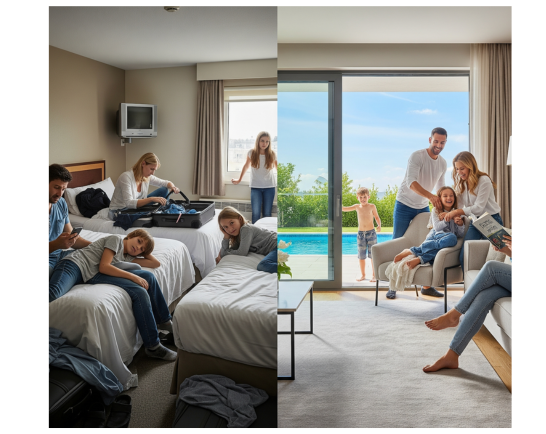
The eternal family vacation dilemma strikes again. Hotel or resort? The choice shapes everything from your daily routine to your final bill, and frankly, both options have evolved dramatically in recent years.
Modern families face more accommodation choices than ever before. The traditional hotel has morphed into boutique experiences and extended-stay options. Meanwhile, resorts have expanded beyond tropical beaches into urban settings and adventure destinations.
Understanding these differences matters more than you might think. Your choice influences not just where you sleep, but how your family experiences an entire destination. Let’s break down what really distinguishes these options in 2026.
Understanding the Core Differences
Hotels and resorts operate on fundamentally different business models. This distinction affects everything from pricing structure to the activities your kids will remember years later.
1. Service Philosophy and Guest Experience

Hotels prioritize efficiency and location access. They position themselves as your gateway to a destination rather than the destination itself. Most hotel guests spend minimal time in their rooms or common areas.
Resorts flip this concept entirely. They’re designed as self-contained vacation worlds where leaving the property feels almost unnecessary. Premium resort experiences focus on keeping families engaged within their boundaries.
The staffing models reflect these philosophies. Hotel staff excel at quick service and local recommendations. Resort staff specialize in activity coordination and extended guest relationships.
2. Physical Layout and Amenities
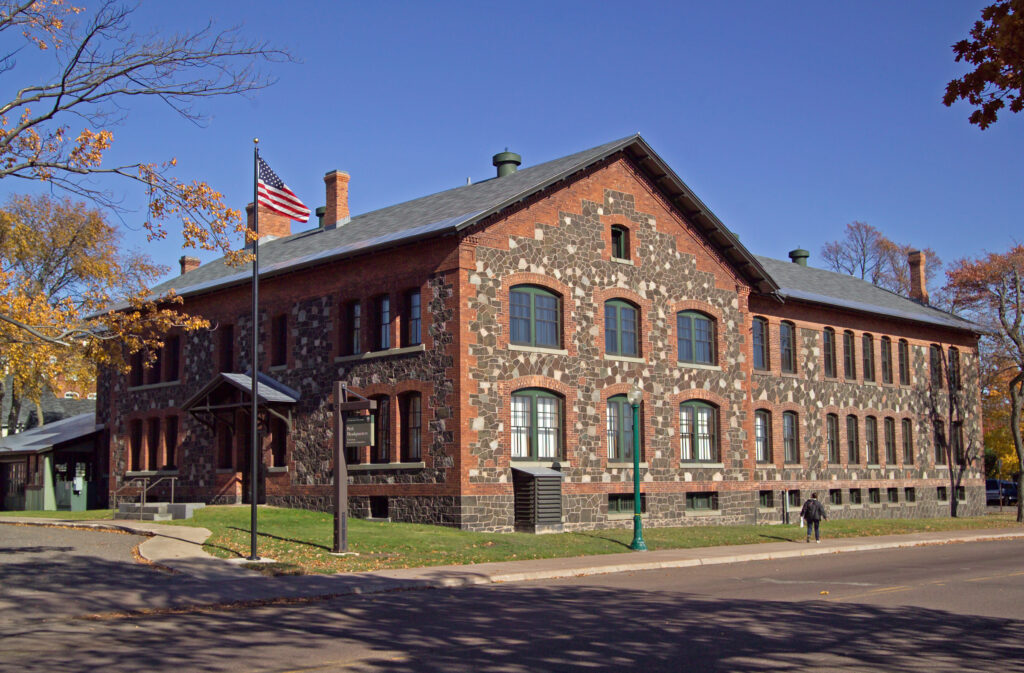
Hotel architecture maximizes room count within limited urban footprints. Common areas remain compact, focusing on lobbies, small fitness centers, and perhaps a restaurant. Parking often comes at a premium.
Resort layouts sprawl across larger properties. Multiple pools, extensive grounds, various dining venues, and dedicated activity spaces define the typical resort experience. Parking rarely poses issues given the suburban or rural locations.
This space difference directly impacts family dynamics. Hotels encourage exploration of surrounding areas. Resorts encourage exploration of the property itself.
Cost Analysis and Budget Considerations

Money talks, especially when planning family vacations. The pricing structures between hotels and resorts operate on completely different principles that can make or break your budget.
3. Upfront Costs vs Hidden Expenses

Hotel pricing appears straightforward but hides numerous add-ons. Room rates seem reasonable until you factor in parking fees, resort fees, Wi-Fi charges, and inflated minibar prices. Industry data shows these ancillary fees can add 25-40% to your base rate.
Resort pricing looks expensive upfront but often includes more services. All-inclusive packages bundle meals, drinks, activities, and entertainment into one predictable price. This transparency helps families avoid budget surprises.
The break-even point typically occurs around day four of a vacation. Shorter trips favor hotels financially. Longer stays make resort packages increasingly attractive from a pure cost perspective.
4. Dining Economics for Families

Restaurant costs near popular hotels can shock unprepared families. Tourist-area dining premiums combined with limited kitchen facilities create expensive meal situations. Even continental breakfast charges have crept upward in recent years.
Resort dining operates on economies of scale. Buffet-style meals and multiple on-property restaurants provide variety without per-meal sticker shock. Kids eat free promotions appear more frequently at resorts than hotels.
Smart hotel-staying families often book accommodations with kitchenettes. This approach requires grocery shopping time but delivers significant savings for week-long trips.
Family-Friendly Features and Activities
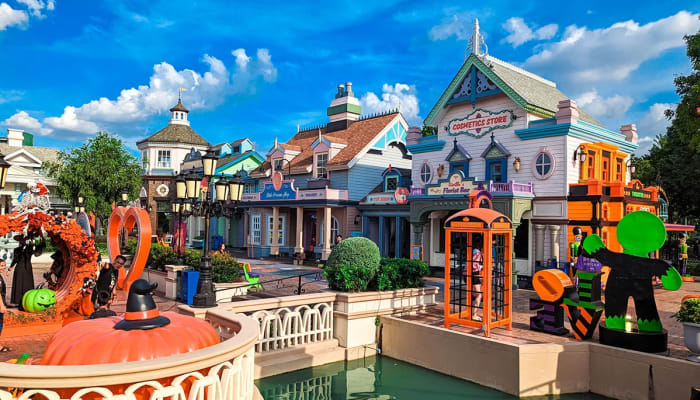
Children’s needs don’t pause for vacation logistics. The accommodation type you choose directly influences how entertained and engaged your kids remain throughout the trip.
5. Supervised Activities and Kids’ Clubs

Hotel kids’ programs remain limited by space and staffing constraints. Most urban properties offer basic game rooms or small play areas. Supervised activities rarely extend beyond craft sessions or movie nights.
Resort kids’ clubs operate as miniature theme parks. Professional youth coordinators design age-appropriate programs spanning sports, arts, nature exploration, and educational activities. Family-focused resorts often provide complimentary childcare for specific hours daily.
Parents gain crucial downtime through resort programming. While hotel stays typically require constant family togetherness, resorts allow adults to enjoy amenities while kids participate in supervised fun.
6. Pool and Recreation Facilities
Hotel pools serve exercise and basic recreation needs. Space limitations restrict most properties to single pools with standard depths and minimal features. Urban hotels sometimes skip pools entirely due to real estate costs.
Resort aquatic facilities become vacation centerpieces. Multiple pools, water slides, lazy rivers, and dedicated children’s areas provide days of entertainment. Many properties employ lifeguards and activity coordinators around pool areas.
The social aspect differs significantly too. Hotel pools attract primarily adult guests seeking quiet relaxation. Resort pools buzz with family activity and organized games throughout the day.
Location Advantages and Accessibility
Geography shapes vacation experiences more than amenities alone. Where you stay determines transportation needs, cultural immersion opportunities, and the overall trip rhythm your family experiences.
7. Urban Integration vs Isolated Luxury
Hotels excel at destination integration. Prime locations place families within walking distance of museums, restaurants, shopping districts, and cultural attractions. Public transportation access simplifies daily logistics for car-free families.
Resorts prioritize controlled environments over urban access. Remote locations offer natural beauty and recreational facilities but require rental cars or expensive transfers for off-property exploration. National park gateway resorts represent exceptions where isolation becomes the attraction.
Consider your family’s exploration style when weighing these trade-offs. Active sightseers benefit from hotel locations. Relaxation-focused families appreciate resort seclusion.
8. Transportation and Getting Around
Hotel guests typically rely on multiple transportation modes daily. Walking, rideshares, public transit, and rental cars become part of the vacation routine. This variety can excite older children but exhaust parents managing younger kids.
Resort guests often abandon their cars upon arrival and never think about transportation again. Property shuttles, golf carts, and walking paths handle all movement needs. Some destinations offer resort-to-resort transportation for multi-property experiences.
Airport proximity favors hotels in most major cities. Resorts frequently require longer transfers but sometimes provide dedicated transportation services included in package prices.
Flexibility and Customization Options
Family needs evolve rapidly during vacations. Weather changes, mood shifts, and unexpected discoveries require accommodation choices that adapt to circumstances rather than rigid schedules.
9. Dining Flexibility and Special Dietary Needs
Hotels provide maximum dining flexibility through surrounding restaurant variety. Families can explore local cuisine, accommodate picky eaters at familiar chains, or prepare simple meals in room kitchens. Extended-stay hotel options particularly excel for families with specific dietary requirements.
Resort dining offers convenience but limited external options. All-inclusive packages restrict off-property meals without sacrificing prepaid dining credits. However, resort kitchens typically accommodate allergies and dietary restrictions more effectively than independent restaurants.
The spontaneity factor differs significantly. Hotel families can pivot dining plans instantly based on daily discoveries. Resort families work within established meal schedules and reservation systems.
10. Activity Scheduling and Free Time
Hotel stays naturally create flexible daily schedules. Families can extend museum visits, discover unexpected attractions, or return to rooms for rest breaks without missing prepaid activities or meal times.
Resort programming encourages structured vacation schedules. Activity sign-ups, meal times, and entertainment shows create rhythms that some families love and others find restrictive. Missing scheduled events can feel like wasted money.
Weather contingency planning also differs between accommodation types. Hotels provide easy access to indoor alternatives when outdoor plans fail. Resorts must pivot guests between property amenities when conditions change.
Making the Right Choice for Your Family
Your ideal accommodation type depends on several factors that extend beyond simple preference. Family dynamics, children’s ages, vacation goals, and travel experience all influence which option delivers the best memories.
11. Age-Based Considerations
Families with toddlers often prefer resort predictability and contained environments. Diaper changing stations, baby-proofed areas, and consistent meal schedules simplify logistics during challenging developmental phases.
Elementary-aged children thrive in both environments but for different reasons. Hotels fuel their curiosity about new places and cultures. Resorts provide structured activities that build confidence and social connections with other young guests.
Teenagers present unique challenges for both accommodation types. Teen-friendly travel experts suggest involving older children in accommodation decisions to ensure buy-in for family vacation plans.
12. First-Time vs Experienced Travelers
Novice family travelers often appreciate resort simplicity and all-inclusive predictability. The controlled environment reduces decision fatigue while still providing vacation excitement and new experiences.
Experienced family travelers may prefer hotel flexibility and destination immersion. These families typically possess the confidence and systems needed to navigate unfamiliar cities with children in tow.
Consider your family’s travel comfort level honestly. There’s no shame in choosing easier options that ensure everyone enjoys the vacation experience.
Hybrid Options and Modern Alternatives
The accommodation landscape continues evolving beyond traditional hotel-resort distinctions. New property types combine elements from both categories while addressing modern family travel needs.
13. All-Inclusive Hotels and Resort-Style Hotels
Urban all-inclusive hotels have emerged in major destinations like New York, London, and Tokyo. These properties provide resort-style meal packages and activity programming within walking distance of city attractions.
Resort-style hotels blur traditional boundaries with extensive amenities spread across multiple buildings. These properties offer resort facilities while maintaining hotel-style location advantages and flexible service options.
Extended-stay hotels increasingly cater to families seeking apartment-style accommodations with hotel services. Full kitchens, separate sleeping areas, and weekly housekeeping create hybrid experiences perfect for longer family trips.
14. Vacation Rentals as a Third Option
Home rentals deserve consideration alongside traditional accommodations. Entire homes provide space, kitchen facilities, and neighborhood immersion that neither hotels nor resorts can match for certain family types.
However, vacation rentals lack the service infrastructure that simplifies family travel. No front desk assistance, housekeeping, or activity programming means parents handle all logistics independently.
The sweet spot often involves combining accommodation types within single trips. Many families book hotels for city portions and resorts for relaxation segments of longer vacations.
Ready to explore your options? Start comparing properties in your destination and consider booking hybrid experiences that combine the best elements of both accommodation styles.
Planning Tips for Either Choice
Regardless of your accommodation decision, certain planning strategies maximize family vacation satisfaction and minimize common frustrations that derail otherwise perfect trips.
15. Booking Strategies and Timing
Hotel rates fluctuate based on local events, seasons, and business travel patterns. Booking 2-4 weeks ahead typically yields good rates for most destinations. Last-minute deals favor flexible families without school schedule constraints.
Resort packages often provide better value when booked 60-90 days in advance. Early booking bonuses like room upgrades, dining credits, or activity inclusions frequently offset the commitment required for advance planning.
Consider booking refundable rates even at premium prices. Family health issues, weather disruptions, and unexpected events affect vacation plans more frequently than most parents anticipate.
16. Packing Differences
Hotel stays require more versatile packing for varied daily activities and weather conditions. Comfortable walking shoes, layered clothing options, and day packs become essential items for destination exploration.
Resort packing focuses on leisure and property activities. Swimwear, casual clothing, and sports equipment take priority over business casual attire needed for upscale hotel dining and city exploration.
Both accommodation types benefit from family entertainment packs including tablets, games, and comfort items that ease transitions and downtime periods throughout the vacation experience.
The hotel versus resort decision ultimately reflects your family’s travel personality and vacation goals. Choose wisely, plan thoroughly, and remember that the best accommodation is the one where your family creates lasting memories together.
Leave a Reply