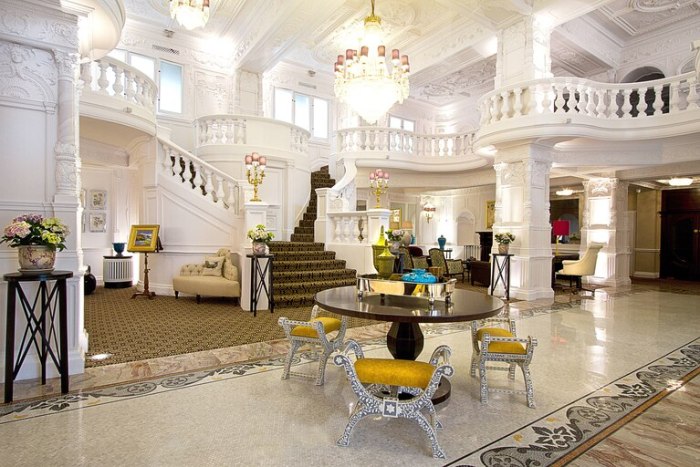
The choice between a hotel and a resort can make or break your travel experience. While both offer comfortable accommodations, they cater to vastly different travel styles and expectations.
Hotels excel at providing efficient, no-nonsense service in prime locations. Resorts focus on creating immersive experiences where you rarely need to leave the property.
Understanding these fundamental differences will help you make the right choice for your next getaway. Your decision impacts everything from your daily routine to your final bill.
What Defines Hotels and Resorts in 2026

Modern hotels have evolved into sophisticated urban sanctuaries that prioritize location and convenience. They typically occupy prime real estate in city centers, business districts, or transportation hubs.
Today’s hotels focus on seamless integration with their surroundings. You’ll find properties that serve as launching pads for exploring local culture, dining, and attractions.
Resorts operate under a completely different philosophy. These self-contained destinations create their own world of entertainment, dining, and activities within expansive grounds.
The accommodation landscape has seen resorts expand their offerings to include everything from championship golf courses to world-class spas and multiple restaurant concepts.
The Hotel Advantage: Urban Sophistication and Flexibility

1. Prime Location Access

Hotels dominate the location game with unmatched proximity to business centers, cultural attractions, and transportation networks. You can walk to meetings, museums, or trendy restaurants within minutes.
Urban hotels place you at the heart of authentic local experiences. Street food vendors, historic neighborhoods, and underground music venues become part of your daily exploration.
Business travelers particularly benefit from hotels’ strategic positioning near airports, convention centers, and corporate headquarters. Time saved on commuting translates directly into productivity or leisure.
2. Flexible Pricing and Booking Options

Hotel pricing structures offer superior flexibility for budget-conscious travelers. You pay only for the room and services you actually use, without mandatory meal plans or activity packages.
Last-minute bookings often yield significant savings at hotels, especially during off-peak periods. This flexibility proves invaluable for spontaneous travelers or those with unpredictable schedules.
Loyalty programs at major hotel chains provide substantial benefits for frequent travelers. Points, upgrades, and exclusive perks can dramatically enhance your experience without additional cost.
3. Efficient Service and Business Amenities

Hotels excel at providing streamlined, professional service designed for efficiency. Check-in processes, concierge services, and housekeeping operate with precision timing.
Business amenities like high-speed internet, meeting rooms, and 24-hour business centers cater specifically to professional travelers. These facilities often surpass what you’d find at home or in a traditional office.
Room service and valet parking add convenience layers that busy professionals and luxury-seeking travelers appreciate. These services operate around your schedule, not predetermined resort timelines.
Resort Benefits: All-Inclusive Luxury and Immersive Experiences

1. Comprehensive Entertainment and Activities

Resorts transform vacations into curated experiences with endless on-site activities. Championship golf courses, water sports, fitness centers, and entertainment programs eliminate the need for external planning.
Family-friendly resorts particularly shine with supervised kids’ clubs, teen programs, and multi-generational activities. Parents can relax while children enjoy structured, safe entertainment.
Evening entertainment at resorts ranges from live music and theatrical shows to themed parties and cultural performances. Your nights are as planned and engaging as your days.
2. All-Inclusive Dining Convenience

Resort dining packages remove the stress and expense of meal planning. Multiple restaurants, bars, and casual dining options provide variety without additional decision-making.
Quality has improved significantly across resort dining programs. Many properties now feature celebrity chef partnerships and cuisine that rivals standalone restaurants.
The convenience factor cannot be overstated. No reservations, no checks, no tipping calculations. Your dining experiences flow seamlessly from breakfast through late-night snacks.
3. Relaxation and Wellness Focus
Resorts prioritize relaxation with expansive spa facilities, multiple pools, and tranquil environments designed for unwinding. The pace naturally slows when everything you need exists within walking distance.
Wellness programs have become increasingly sophisticated, featuring meditation classes, fitness bootcamps, and nutrition counseling. Some resorts now offer comprehensive wellness retreats as part of standard packages.
The absence of urban noise and hustle creates an atmosphere conducive to genuine rest. Resort environments are specifically engineered to lower stress levels and promote relaxation.
Hotel Limitations: What You Sacrifice for Convenience
1. Limited On-Site Recreation
Hotels typically offer minimal recreational facilities beyond a basic fitness center and perhaps a pool. Entertainment options remain largely external to the property.
Families with children may find hotels lacking in kid-friendly amenities and activities. Hotel pools and common areas aren’t designed for extended leisure time.
Evening entertainment usually means venturing into the city. While this provides authentic local experiences, it requires additional planning, transportation, and expense.
2. Additional Costs Add Up Quickly
Hotel stays can become expensive quickly when you factor in meals, parking, resort fees, and incidental charges. That attractive nightly rate often doubles with additional services.
Dining costs in hotel restaurants or nearby establishments can shock budget-conscious travelers. Urban location premiums mean even casual meals carry significant price tags.
Transportation costs for sightseeing, airport transfers, and daily mobility can substantially increase your total trip expense. These costs are often underestimated during initial planning.
3. Urban Stress and Noise Factors
City hotels cannot escape urban realities like traffic noise, construction sounds, and general metropolitan bustle. True relaxation becomes challenging in these environments.
Air quality in urban locations typically falls short of resort destinations. Pollution and allergens can impact sensitive travelers or those seeking health-focused vacations.
The constant decision-making required for urban exploration can become exhausting. Restaurant choices, transportation options, and activity selection create decision fatigue.
Resort Drawbacks: The Price of Paradise
1. Higher Upfront Costs
Resort packages typically require significant upfront investment, even when they provide good value. The all-inclusive model demands substantial initial payment regardless of what you actually consume.
Peak season pricing at desirable resort destinations can reach astronomical levels. Popular properties during high-demand periods often cost more per night than many people’s monthly housing payments.
Hidden fees still exist at many resorts despite all-inclusive pricing. Premium dining, top-shelf alcohol, spa services, and off-site excursions carry additional charges.
2. Limited Cultural Immersion
Resort environments create artificial bubbles that insulate guests from authentic local culture. You might visit Mexico or Thailand without experiencing genuine local life.
Dining programs, while convenient, often present sanitized versions of local cuisine designed for international palates. Authentic culinary experiences require venturing beyond resort boundaries.
Staff interactions, while friendly, remain professionally scripted rather than offering genuine cultural exchange. The service bubble prevents meaningful local connections.
3. Potential for Boredom and Isolation
Extended resort stays can become monotonous despite extensive facilities. The same pools, restaurants, and activities lose novelty after several days.
Remote resort locations often limit exploration options and spontaneous adventure opportunities. You become dependent on scheduled resort activities and organized excursions.
Social interactions may feel forced or artificial within the contained resort environment. Meeting interesting people becomes challenging when everyone shares similar vacation mindsets.
Making the Right Choice for Your Travel Style
Business Travel Considerations
Business travelers almost universally benefit from hotel accommodations. Airport proximity, meeting facilities, and urban location advantages align perfectly with professional travel needs.
The flexibility to extend or shorten stays accommodates unpredictable business schedules. Resort commitments and packages work against the fluid nature of business travel.
Networking opportunities flourish in hotel environments where business travelers naturally congregate. Resort settings rarely provide professional development opportunities.
Family Vacation Planning
Family dynamics play a crucial role in accommodation choice. Resorts excel for families seeking stress-free vacations where parents can relax while children remain safely entertained.
However, families interested in cultural education and authentic travel experiences may find hotels more appropriate. Urban exploration teaches children about different cultures and environments.
Budget considerations often favor hotels for longer family trips. The ability to control meal costs and activity expenses provides financial predictability.
Romantic Getaway Optimization
Romantic travelers often prefer resort environments for their inherent intimacy and relaxation focus. Couples can disconnect from outside stresses and focus entirely on each other.
Adult-only resort sections or properties eliminate family-related distractions while maintaining romantic atmosphere. These environments cater specifically to couple experiences.
Conversely, couples who bond through shared exploration and cultural discovery may find hotels more conducive to romantic adventure. Urban hotel stays facilitate spontaneous romantic discoveries.
Financial Planning and Hidden Costs
True Cost Comparison Methods
Accurate cost comparison requires calculating total trip expenses rather than just accommodation rates. Hotels may appear cheaper initially but can exceed resort costs when factoring in meals, transportation, and activities.
Resort packages often provide better value for travelers who utilize included amenities extensively. Heavy drinkers, frequent diners, and activity enthusiasts typically save money with all-inclusive options.
Create detailed budgets for both options including all anticipated expenses. Factor in tips, transportation, meals, entertainment, and incidental costs for realistic comparison.
Seasonal Pricing Strategies
Hotel pricing fluctuates more dramatically than resort rates, creating opportunities for savvy travelers. Off-peak urban travel can yield exceptional value, especially for business-focused properties.
Resort pricing follows more predictable patterns tied to weather and holiday seasons. Strategic booking timing can result in substantial savings at both accommodation types.
Consider shoulder seasons for resort destinations when weather remains favorable but prices drop significantly. Hotels often offer weekend packages and extended stay discounts during slower periods.
Future Trends Shaping Accommodation Choices
Technology integration continues transforming both hotels and resorts. Smart room controls, mobile check-in, and personalized service apps enhance convenience across both accommodation types.
Sustainability concerns increasingly influence traveler choices. Many resorts now emphasize eco-friendly practices, while urban hotels focus on energy efficiency and waste reduction programs.
Hybrid accommodation concepts are emerging, combining hotel efficiency with resort amenities. These properties attempt to capture benefits from both models while minimizing traditional drawbacks.
Ready to book your next accommodation? Explore premium hotel and resort options that match your specific travel preferences and budget requirements.
The choice between hotels and resorts ultimately depends on your travel priorities, budget constraints, and personal preferences. Business travelers and cultural explorers typically gravitate toward hotels, while relaxation-seekers and families often prefer resort environments.
Consider your primary travel goals, examine total costs honestly, and choose the accommodation type that supports your ideal travel experience. Both options can provide exceptional value when aligned with your specific needs and expectations.
Leave a Reply