Tokyo’s Ginza district stands as the city’s most prestigious neighborhood, where centuries-old traditions blend seamlessly with modern luxury. This eight-block area represents the pinnacle of Japanese sophistication, offering experiences that range from Michelin-starred dining to world-class shopping.
Whether you’re seeking the perfect timepiece from a legendary Swiss manufacturer or craving the finest sushi Tokyo has to offer, Ginza delivers experiences that justify its reputation as Asia’s answer to Fifth Avenue. The district’s transformation from a silver coin mint during the Edo period to today’s luxury epicenter tells a story of Japan’s evolution into a global powerhouse.
Every street corner here whispers exclusivity, yet Ginza remains surprisingly accessible to those who know where to look. Beyond the flagship stores and premium price tags lies a neighborhood rich with hidden gems, cultural treasures, and authentic Japanese experiences that even seasoned travelers often miss.
Shopping Excellence in Japan’s Luxury Capital
Ginza’s shopping scene operates on a different level entirely. This isn’t just retail therapy. It’s an education in craftsmanship, design, and the art of customer service that Japan has perfected over generations.
1. Ginza Six: The Crown Jewel of Department Stores
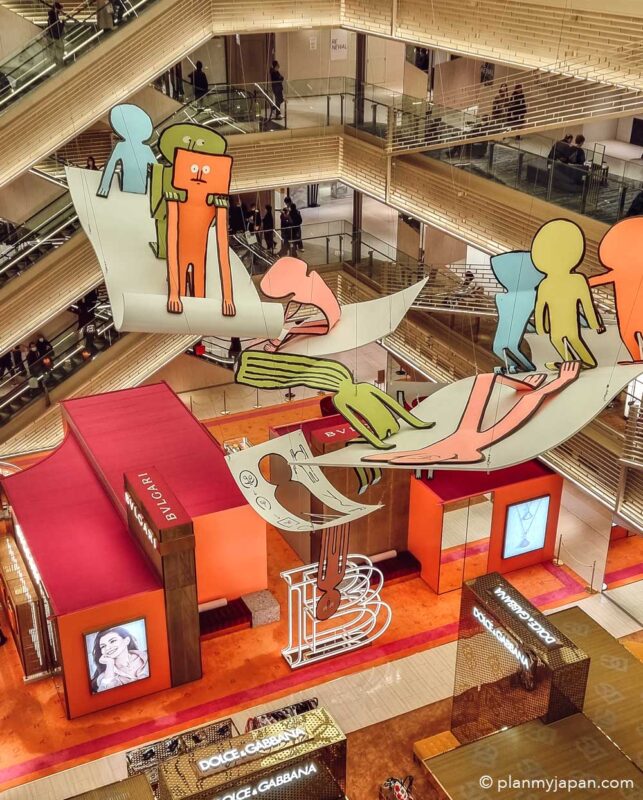
Standing thirteen floors tall, Ginza Six represents the pinnacle of Japanese department store culture. The building itself is an architectural statement, designed by Yoshio Taniguchi, the same visionary behind New York’s Museum of Modern Art renovation.
The ground floor houses the world’s largest Dior flagship store, spanning an impressive 1,500 square meters. Chanel, Louis Vuitton, and Hermès occupy prime real estate, each offering exclusive pieces available nowhere else in Asia.
The rooftop garden provides a serene escape with views across Tokyo’s skyline, while the basement food hall showcases Japan’s legendary attention to culinary detail. Don’t miss the sake selection on the 13th floor, where sommeliers guide you through tastings of premium Japanese rice wines.
2. Mikimoto Ginza 2: Pearl Perfection Since 1899
Mikimoto’s flagship store occupies a stunning building designed by Toyo Ito, winner of the Pritzker Architecture Prize. The facade’s undulating patterns mirror the ocean waves where pearls are born, creating a visual poetry that’s quintessentially Japanese.
Inside, master craftsmen demonstrate the art of pearl cultivation and jewelry creation. The fourth floor houses the Mikimoto Pearl Museum, where you’ll discover how Mikimoto Kokichi revolutionized the pearl industry by creating the world’s first cultured pearls in 1893.
Their exclusive Ginza collection features pieces that blend traditional Japanese aesthetics with contemporary design, many available only at this location.
3. Dover Street Market Ginza: Avant-Garde Fashion Haven
Rei Kawakubo’s Dover Street Market brings cutting-edge fashion to Ginza’s traditional luxury landscape. This seven-floor concept store challenges conventional retail with its “beautiful chaos” philosophy.
Each floor rotates installations and collections quarterly, ensuring every visit offers something new. Comme des Garçons anchors the space, but you’ll also discover emerging Japanese designers and limited-edition collaborations.
The third floor’s vintage selection includes rare pieces from fashion history, while the top floor cafe serves as a meeting point for Tokyo’s creative community.
Culinary Mastery: Ginza’s Gastronomic Adventures
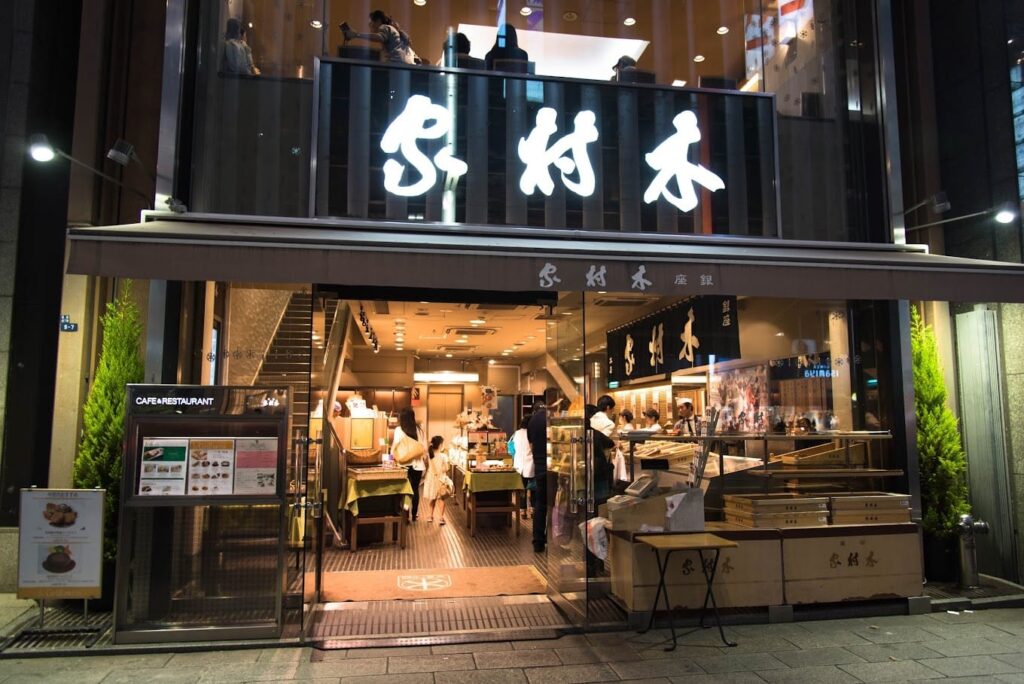
Ginza boasts more Michelin stars per square kilometer than any other district in Tokyo. The neighborhood’s culinary scene reflects Japan’s obsession with perfection, where chefs spend decades mastering their craft.
4. Jiro Ginza: Sushi Artistry at Its Peak
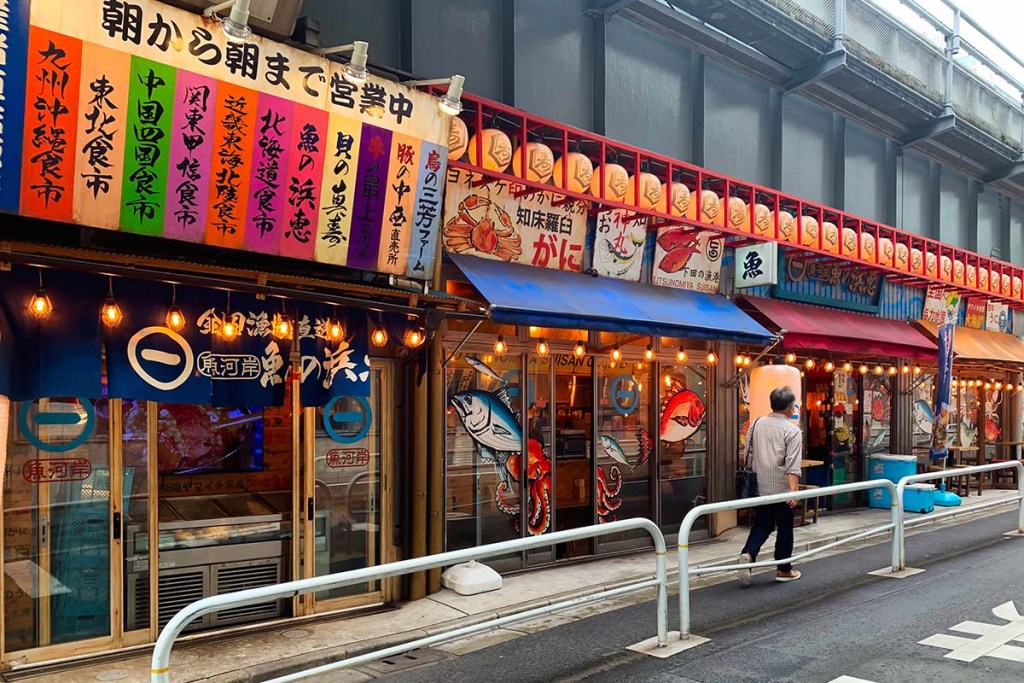
While Jiro Ono’s Tsukiji location gained international fame through documentaries, his son Yoshikazu operates the equally exceptional Ginza location. This intimate ten-seat restaurant continues the family legacy of sushi perfection.
Each piece of nigiri represents months of preparation, from sourcing the finest fish at Tsukiji market to aging the rice to optimal temperature and texture. The omakase experience lasts approximately thirty minutes, during which you’ll consume what many consider the world’s finest sushi.
Reservations require advance planning through your hotel concierge, as the restaurant doesn’t accept direct bookings from overseas visitors. Premium accommodation services often provide the necessary connections for securing these coveted seats.
5. Kyoboshi: Tempura Excellence Since 1865
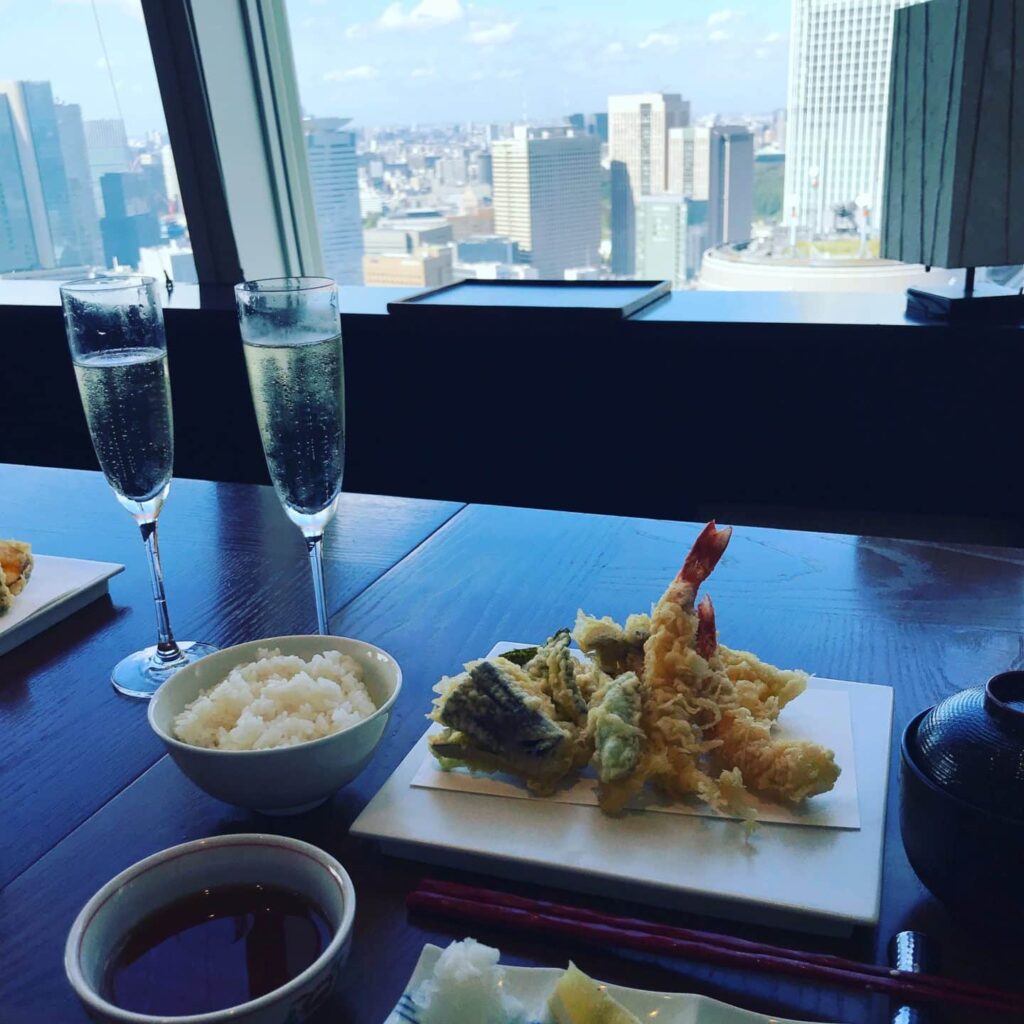
This family-run establishment has perfected tempura across six generations. Master chef Masao Yamamoto maintains techniques passed down through 160 years of continuous operation, making Kyoboshi one of Tokyo’s oldest continuously operating restaurants.
The sesame oil blend used for frying remains a closely guarded family secret. Each piece of tempura achieves the perfect balance of crispy exterior and tender interior, whether featuring seasonal vegetables or premium seafood.
The counter seating allows you to watch master craftsmen work with precision that borders on meditation. The seasonal menu changes monthly, reflecting Japan’s deep connection to nature’s rhythms.
6. Ginza Ukai-tei: Teppanyaki Theater
Situated on the ninth floor with panoramic views of Tokyo, Ukai-tei elevates teppanyaki beyond mere dining into performance art. Master chefs trained for years before being allowed to cook for guests in this prestigious location.
The restaurant sources Kobe beef directly from certified farms, ensuring authenticity and quality that lesser establishments cannot match. The cooking process becomes theater, with precise knife work and timing that creates anticipation with every sizzle.
Private rooms accommodate special occasions, while the main dining room’s energy creates an atmosphere of shared appreciation for culinary excellence.
Cultural Experiences and Traditional Arts
Beyond luxury shopping and dining, Ginza preserves Japan’s cultural heritage through galleries, theaters, and traditional crafts that have survived urbanization and modernization.
7. Kabuki-za Theatre: Traditional Drama’s Living Stage
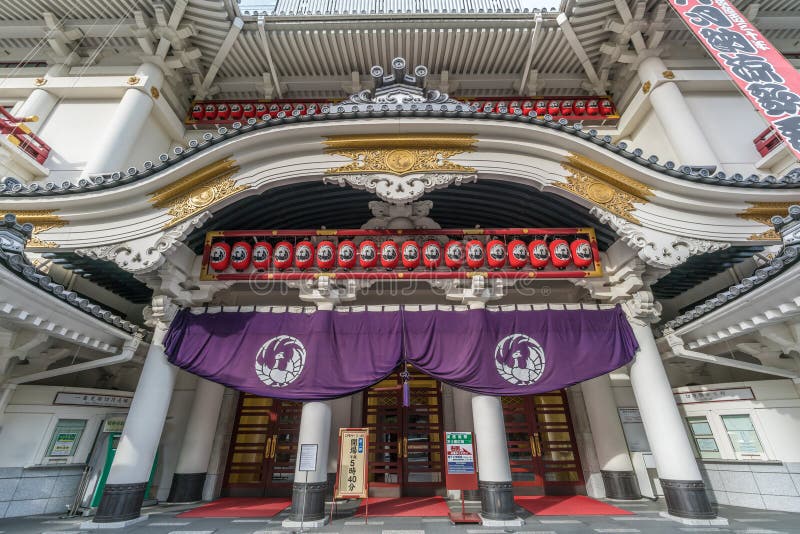
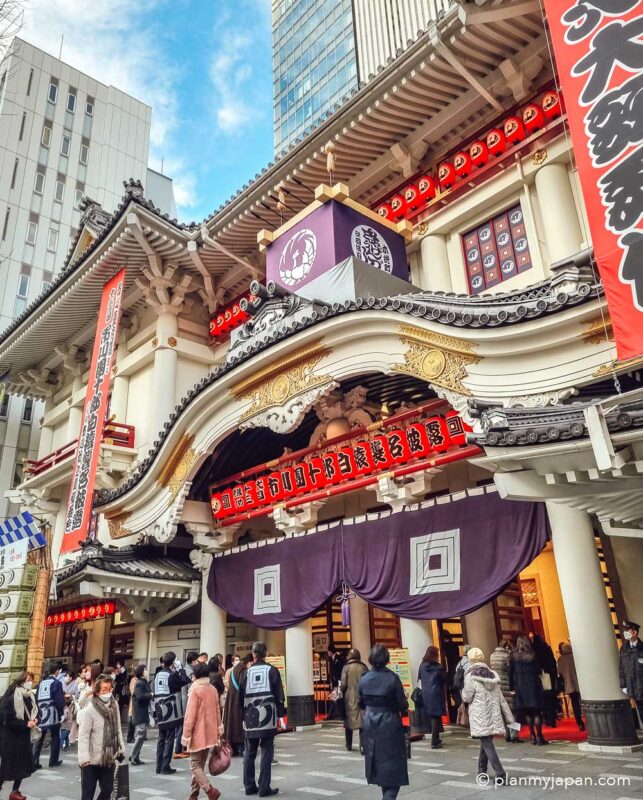
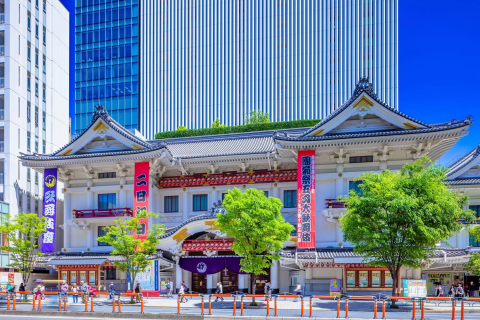
The iconic Kabuki-za Theatre represents over 400 years of Japanese dramatic tradition. This architectural masterpiece combines traditional Japanese design with modern comfort, creating an atmosphere that transports audiences to feudal Japan.
Full performances last up to four hours, but single-act tickets allow busy travelers to experience this UNESCO-recognized art form. English audio guides provide context for the elaborate costumes, stylized movements, and complex storylines.
The attached Kabuki Gallery showcases costumes, masks, and historical artifacts that illuminate this ancient art form. Monthly exhibitions change to reflect current performances, creating educational opportunities beyond the theatrical experience.
8. Gallery Koyanagi: Contemporary Art Discovery
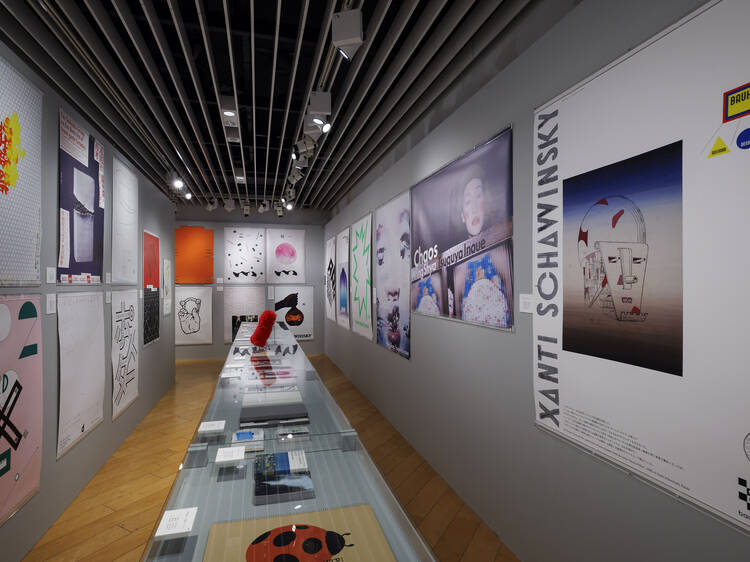
This intimate gallery has championed contemporary Japanese artists since 1963. Gallery Koyanagi focuses on emerging talents who blend traditional Japanese aesthetics with modern expressions, creating a dialogue between past and present.
Monthly exhibitions rotate between established artists and promising newcomers. The gallery’s curatorial vision often introduces Western audiences to artists who later gain international recognition.
The space itself encourages contemplation, with white walls and natural lighting that allows artwork to communicate without distraction. Many pieces reflect uniquely Japanese perspectives on universal human experiences.
9. Ginza Natsuno: Traditional Craft Shopping

This specialty store preserves Japan’s traditional crafts through carefully curated selections of furoshiki wrapping cloths, handmade ceramics, and lacquerware. Each item represents techniques passed down through generations of artisans.
The furoshiki collection includes designs by contemporary artists alongside classical patterns. Staff demonstrate proper wrapping techniques, transforming practical skill into cultural education.
Seasonal collections reflect Japan’s attention to natural cycles, with spring cherry blossom motifs giving way to summer festivals, autumn leaves, and winter snow scenes.
Entertainment and Nightlife Sophistication

Ginza’s evening transformation reveals a different character entirely. High-end bars, exclusive clubs, and entertainment venues cater to Tokyo’s most discerning clientele, creating experiences unavailable anywhere else in the world.
10. Bar High Five: Cocktail Craftsmanship
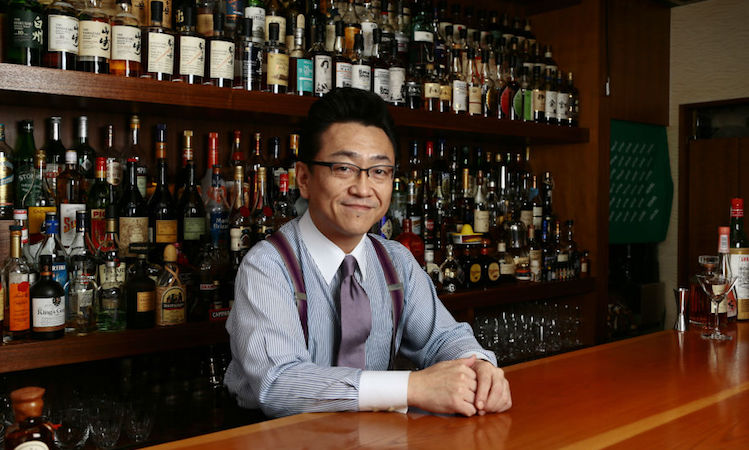
Hidden on the eighth floor of a nondescript building, Bar High Five earned recognition as one of World’s 50 Best Bars. Master bartender Hidetsugu Ueno approaches cocktail creation with the same precision Japanese chefs apply to sushi.
Each drink begins with a conversation about your preferences, mood, and desired experience. Ueno then crafts a personalized cocktail using premium spirits, house-made bitters, and techniques refined over decades.
The intimate setting accommodates only twelve guests, ensuring personal attention that makes every visit memorable. Reservations are essential, and the experience justifies the premium pricing.
11. Tokyo Takarazuka Theatre: All-Female Revue
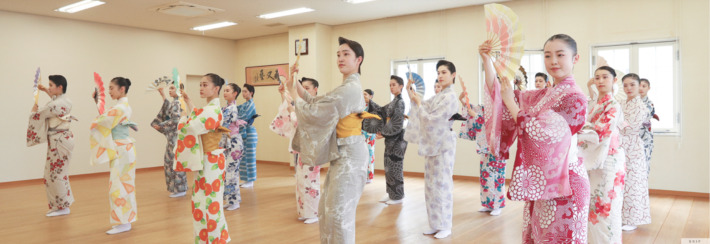
This unique theatrical tradition features all-female performers in elaborate musical revues that blend Western and Japanese elements. The art form originated in 1913 and has maintained passionate following throughout Japan.
Performances rotate between classical Japanese stories and Western musicals, all performed with distinctive Takarazuka style. The costumes and sets rival Broadway productions, while the performers’ dedication creates emotional connections that transcend language barriers.
Cultural tour packages often include Takarazuka experiences with context that enhances appreciation for this uniquely Japanese art form.
Architectural Marvels and Urban Design
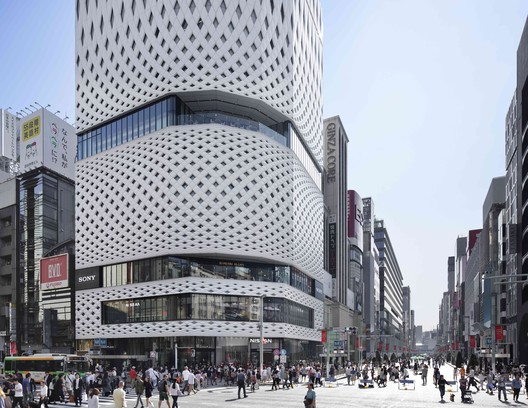
Ginza’s built environment tells the story of Tokyo’s evolution from traditional Japanese city to global metropolis. Architecture here represents the best of both heritage preservation and innovative design.
12. Nakagin Capsule Tower: Metabolist Architecture Icon
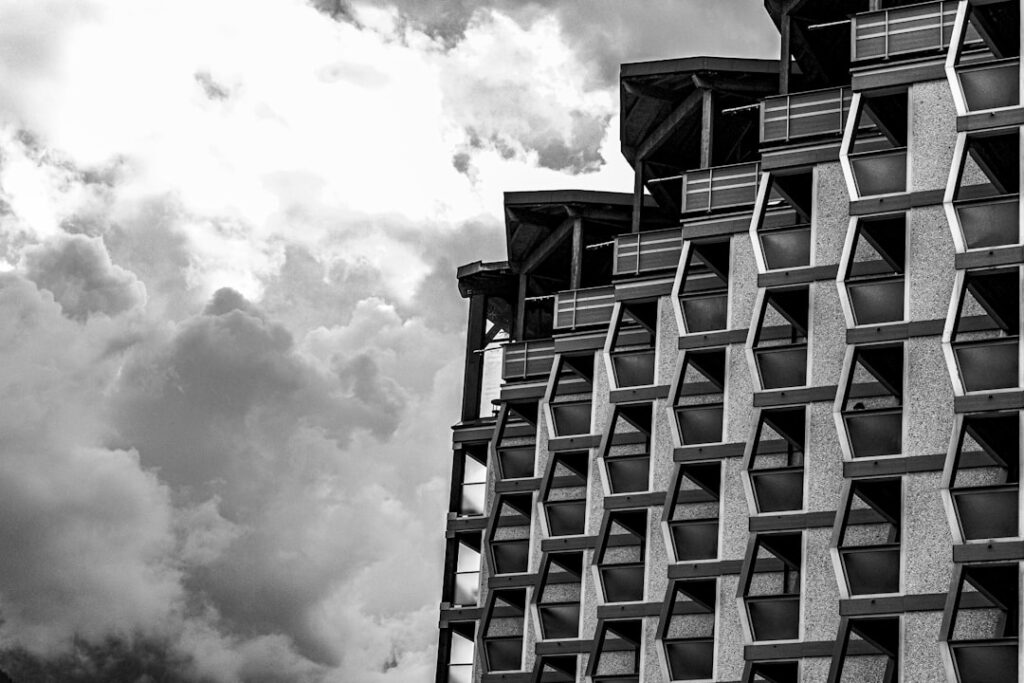
Kisho Kurokawa’s 1972 masterpiece represents the Metabolist movement’s vision of adaptable urban architecture. Each capsule was designed as a removable living unit, allowing the building to evolve with changing needs.
While residential use has declined, the building remains architecturally significant as an early example of sustainable urban design. Photography tours allow visitors to explore this unique structure before its planned renovation.
The building’s influence on contemporary architects continues, with its principles appearing in modern developments throughout Asia.
Seasonal Experiences and Special Events
Ginza’s calendar reflects Japan’s seasonal celebrations and cultural traditions. Each season brings unique experiences that showcase different aspects of Japanese culture and aesthetics.
13. Ginza Honey Bee Project: Urban Sustainability
This innovative project maintains beehives atop Ginza buildings, producing honey while supporting urban biodiversity. The project represents Japan’s commitment to sustainable luxury, proving that environmental responsibility can coexist with urban sophistication.
Seasonal honey tastings reflect the flowers blooming in nearby Imperial Palace gardens and urban green spaces. Local restaurants incorporate this Ginza honey into exclusive dishes and desserts.
Educational tours explain urban beekeeping while highlighting Tokyo’s surprising environmental initiatives. The project demonstrates how traditional practices can address modern urban challenges.
Planning Your Perfect Ginza Experience
Success in Ginza requires strategic planning and cultural awareness. The district operates according to Japanese business customs that reward preparation and respect for established protocols.
Most prestigious restaurants require reservations weeks in advance, preferably made through hotel concierges who maintain relationships with establishment owners. Local event calendars help you coordinate visits with special exhibitions, seasonal celebrations, or limited-time experiences.
Budget considerations vary dramatically based on your interests. While window shopping costs nothing, dinner at a Michelin-starred restaurant can exceed $500 per person. Department store basement food courts offer high-quality alternatives to expensive restaurants, while rooftop gardens provide free entertainment with spectacular city views.
Transportation within Ginza works best on foot, as the district covers only eight city blocks. The Ginza, Shimbashi, and Yurakucho stations provide easy access from anywhere in Tokyo. Weekend pedestrian zones close major streets to traffic, creating a more relaxed exploration atmosphere.