
The hotel industry has witnessed a seismic shift in traveler preferences over the past decade. While major chains once dominated the landscape through sheer scale and standardization, boutique hotels have emerged as the preferred choice for discerning travelers seeking authenticity and personalization.
This transformation reflects a broader cultural movement toward unique experiences over mass-produced offerings. Today’s travelers, particularly millennials and Gen Z, prioritize stories, connections, and memories over predictable amenities and cookie-cutter rooms.
The numbers tell a compelling story. Independent boutique properties have seen booking growth rates that consistently outpace traditional hotel chains, with occupancy rates averaging 15% higher than their corporate counterparts in major metropolitan areas.
The Personal Touch Revolution

Staff Recognition and Customized Service

Boutique hotels excel at creating genuine human connections that big chains struggle to replicate. Staff members at properties like The Hoxton in London or The Bowery Hotel in New York know guests by name, remember their preferences, and anticipate their needs.
This personalized approach extends beyond simple recognition. Front desk teams maintain detailed guest profiles that include everything from preferred room temperature to dietary restrictions. The result is service that feels intuitive rather than scripted.
Chain hotels, constrained by corporate protocols and high staff turnover, often deliver service that feels mechanical. Their training focuses on consistency rather than creativity, leaving little room for the spontaneous gestures that create lasting memories.
Flexible Policies and Special Requests

Independent properties possess the agility to accommodate unique requests that would require multiple approvals at chain hotels. Need a late checkout for a red-eye flight? Want to bring your well-behaved pet to dinner? Boutique hotels find ways to say yes.
This flexibility stems from streamlined decision-making processes. General managers at boutique properties have the authority to make on-the-spot decisions without consulting corporate headquarters or navigating complex approval systems.
The hospitality industry research shows that 78% of travelers are willing to pay premium rates for hotels that demonstrate flexibility in their policies and genuine care for individual guest needs.
Design That Tells a Story

Architecture with Character and History
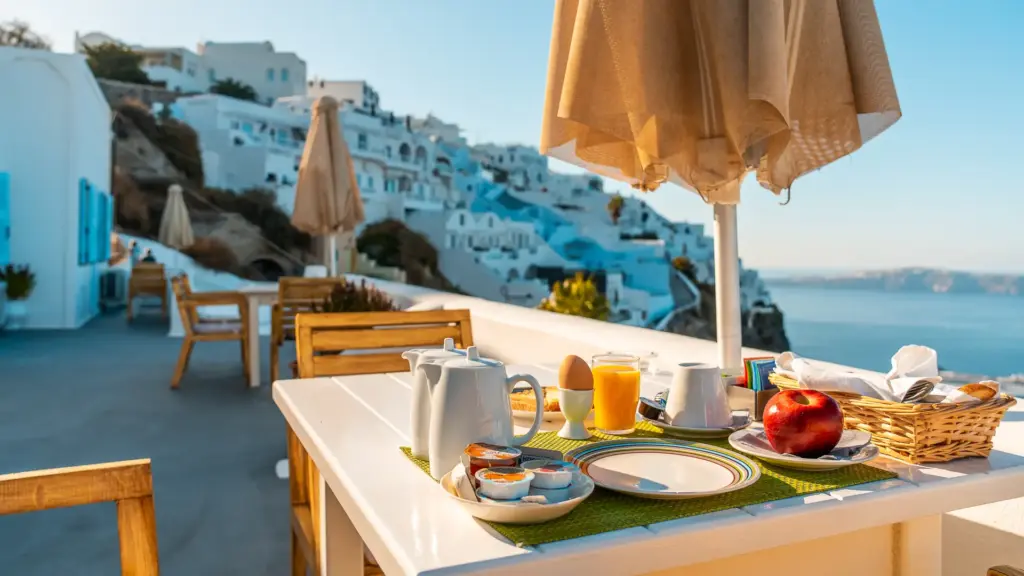
Boutique hotels often occupy buildings with rich histories that become integral to the guest experience. The Gramercy Park Hotel in Manhattan, housed in a 1925 landmark building, celebrates its architectural heritage while incorporating contemporary art and design.
These properties understand that travelers want to feel connected to their destination. Rather than creating generic spaces that could exist anywhere, boutique hotels embrace local architectural traditions and historical significance.
Chain hotels, focused on brand consistency and cost efficiency, typically favor new construction with standardized layouts. While functional, these spaces lack the character and authenticity that modern travelers increasingly seek.
Curated Interiors and Local Artistry

Every design element in a well-executed boutique hotel serves a purpose beyond aesthetics. Local artists contribute original works, regional craftspeople create custom furniture, and indigenous materials reflect the surrounding culture.
The Graduate Hotels collection exemplifies this approach, with each property celebrating its university town through carefully curated design elements. Their Nashville location features music-inspired artwork and vintage instruments, while the Cambridge property pays homage to Harvard’s academic tradition.
This attention to design detail creates Instagram-worthy moments that serve as organic marketing. Guests become brand ambassadors, sharing their unique experiences across social media platforms and generating authentic word-of-mouth promotion.
Authentic Local Integration
Community Partnerships and Local Sourcing

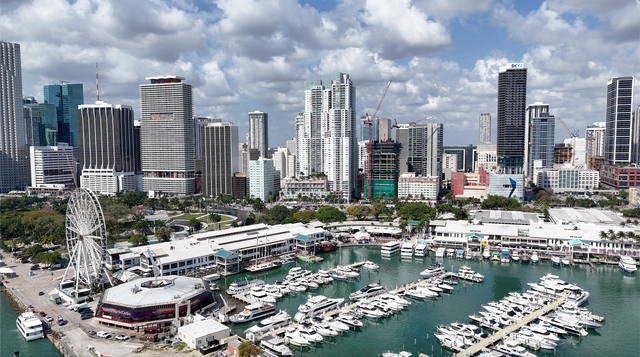
Boutique hotels forge genuine partnerships with local businesses, creating authentic experiences that chain hotels struggle to replicate. The Thompson Hotels group works exclusively with regional suppliers for everything from coffee beans to bathroom amenities.
These partnerships extend to experience curation. Boutique properties connect guests with local artisans, arrange private market tours with neighborhood vendors, and facilitate meetings with community leaders and cultural figures.
Chain hotels often rely on corporate partnerships that prioritize cost savings over local authenticity. Their recommended restaurants and activities tend to be tourist-focused rather than genuinely representative of local culture.
Neighborhood Character Preservation
Independent hotels become stewards of neighborhood character rather than imposing external brand identities. They adapt to local rhythms, support community events, and contribute to the authentic flavor that attracts travelers.
The boutique hotel movement has revitalized numerous neighborhoods by attracting visitors who spend money at local businesses rather than remaining within hotel ecosystems.
This community integration creates a virtuous cycle. Local residents view these hotels as positive additions to their neighborhoods, leading to better relationships and more authentic recommendations for guests.
Culinary Excellence and Innovation
Celebrity Chef Collaborations
Boutique hotels attract renowned chefs who view these partnerships as creative opportunities rather than corporate obligations. Daniel Boulud’s restaurants at The Surrey in New York and José Andrés’ concepts at various independent properties exemplify this trend.
These collaborations result in dining experiences that become destinations in their own right. Guests book rooms specifically to access exclusive restaurants that would otherwise require months-long reservations.
Chain hotel restaurants, constrained by corporate menu requirements and standardized ingredients, rarely achieve the same level of culinary excitement or innovation that drives food-focused travel decisions.
Farm-to-Table and Seasonal Menus
Independent properties have the flexibility to change menus seasonally and source ingredients from local farms and producers. This approach aligns with contemporary dining trends while reducing environmental impact.
The sustainable travel movement has made farm-to-table dining a significant factor in hotel selection, particularly among environmentally conscious travelers.
Boutique hotels can pivot quickly when exceptional ingredients become available, creating special dinners around seasonal harvests or unique local products that corporate kitchens cannot accommodate.
Technology Integration Done Right
Smart Solutions Without Losing Human Touch
The best boutique hotels integrate technology to enhance rather than replace human interactions. Mobile check-in systems free staff to focus on meaningful guest connections rather than administrative tasks.
Properties like Marriott’s Edition hotels use apps to facilitate room service orders and spa bookings while ensuring that guest services teams remain accessible for complex requests and personal recommendations.
Chain hotels often implement technology primarily for cost reduction, leading to impersonal experiences where guests interact more with screens than with people throughout their entire stay.
Customizable Room Controls and Preferences
Advanced boutique properties allow guests to control lighting, temperature, and entertainment systems through intuitive interfaces that remember preferences for future visits.
This technological sophistication, combined with personal service, creates the ideal balance that modern travelers seek. They want convenience without sacrificing the human connections that make travel memorable.
Industry data shows that travelers consistently rate boutique hotels higher for successfully balancing technological convenience with personal service quality.
Value Beyond Price Points
Inclusive Amenities and Hidden Perks
Boutique hotels often include amenities that chain hotels charge extra fees to access. Complimentary high-speed internet, fitness center access, and business services are standard rather than premium add-ons.
Many independent properties offer unexpected perks like complimentary bike rentals, afternoon wine tastings, or evening turndown treats from local chocolatiers that add significant value without appearing on the room rate.
These inclusive approaches create positive surprises that generate customer loyalty and positive reviews, while chain hotels increasingly rely on ancillary revenue streams that nickel-and-dime guests.
Location Premium and Accessibility
Boutique hotels typically occupy prime locations within walking distance of major attractions, cultural sites, and authentic dining options. Their smaller footprints allow them to secure desirable addresses that large chains cannot accommodate.
This strategic positioning reduces transportation costs for guests while maximizing their time at destination. The convenience factor often justifies higher room rates when travelers calculate total trip expenses.
Chain hotels, requiring large footprints for standardized layouts, often locate in secondary areas or business districts that require additional travel time and expense to reach desired destinations.
The Future of Boutique Hospitality
Sustainability Leadership and Environmental Responsibility
Independent hotels lead the industry in implementing meaningful sustainability practices beyond token gestures. They install solar panels, implement comprehensive recycling programs, and source supplies from environmentally responsible vendors.
The United Nations sustainable tourism initiatives recognize boutique properties as leaders in responsible hospitality practices that benefit both travelers and local communities.
These efforts resonate with travelers who increasingly consider environmental impact when making booking decisions. Sustainability becomes a competitive advantage rather than a compliance requirement.
Wellness Integration and Holistic Experiences
Boutique hotels pioneer wellness integration that extends beyond traditional spa services. Properties offer meditation gardens, yoga instruction, healthy cuisine options, and partnerships with local wellness practitioners.
This holistic approach to guest wellbeing reflects broader lifestyle trends where travelers seek experiences that enhance their physical and mental health rather than simply providing temporary escape.
Ready to experience the boutique difference for yourself? Explore unique boutique properties in your next destination and discover why personalized hospitality creates unforgettable travel memories.
Making the Smart Choice
The shift toward boutique hotels represents more than a trend; it reflects fundamental changes in how people approach travel and hospitality. Modern travelers prioritize authenticity, personalization, and meaningful connections over standardized efficiency and corporate branding.
Boutique properties deliver these desired experiences through genuine local integration, personalized service, distinctive design, and flexible policies that prioritize guest satisfaction over corporate procedures.
While chain hotels continue to serve travelers seeking predictability and familiar experiences, the growing boutique sector captures those who view each trip as an opportunity for discovery, connection, and personal enrichment. The choice between chains and boutiques ultimately reflects individual travel philosophies and the type of memories you want to create.
Leave a Reply