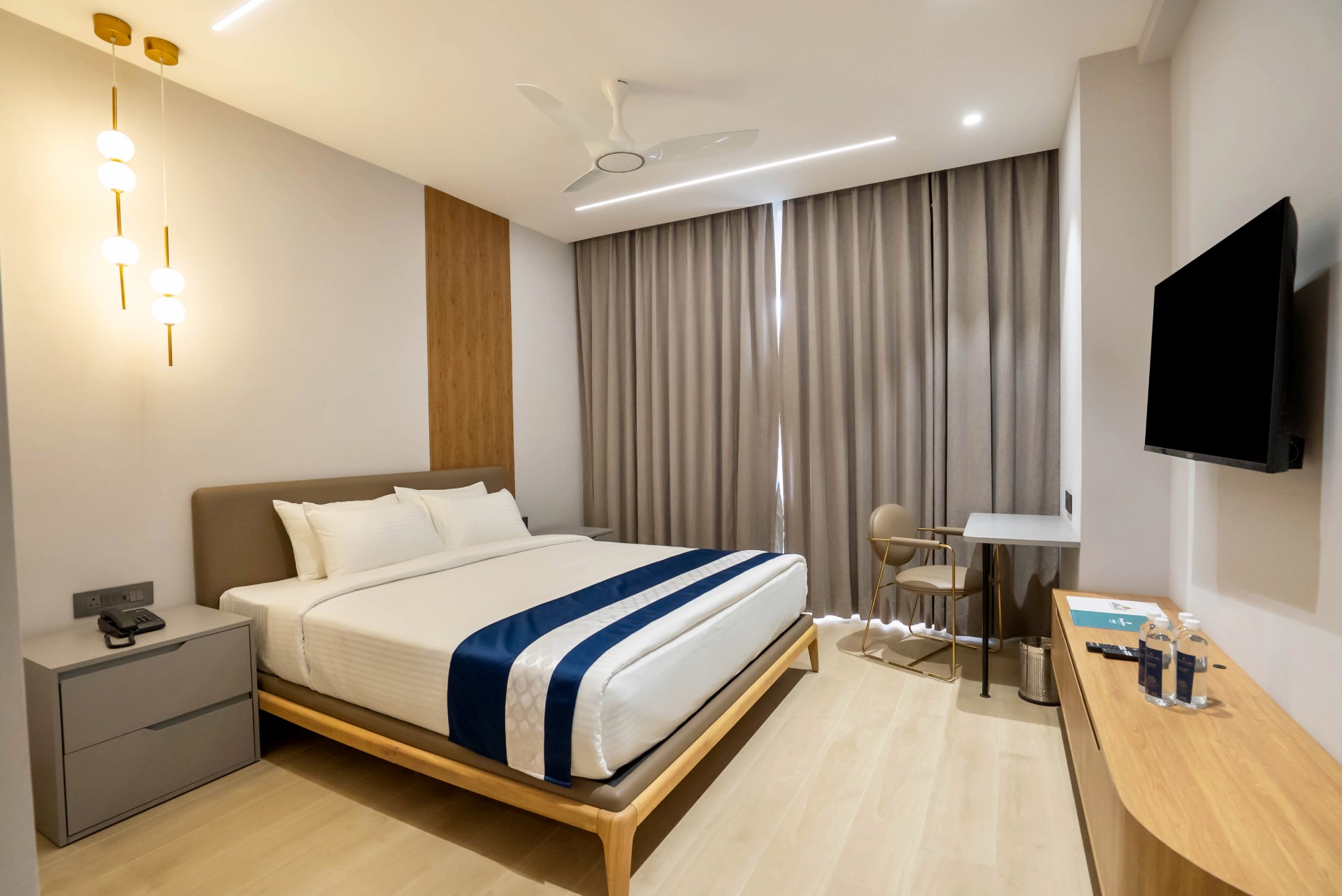
The hospitality industry has never been more diverse or sophisticated. Two distinct categories dominate the upper echelon of accommodation: boutique hotels and luxury hotels. While both promise exceptional experiences, they deliver them through fundamentally different philosophies.
Understanding these differences becomes crucial when planning your next getaway. The choice between intimate charm and grand opulence can make or break your travel experience. Let’s examine what truly sets these hospitality titans apart.
Size and Scale: The Foundation of Identity

Boutique Hotels: Intimate by Design
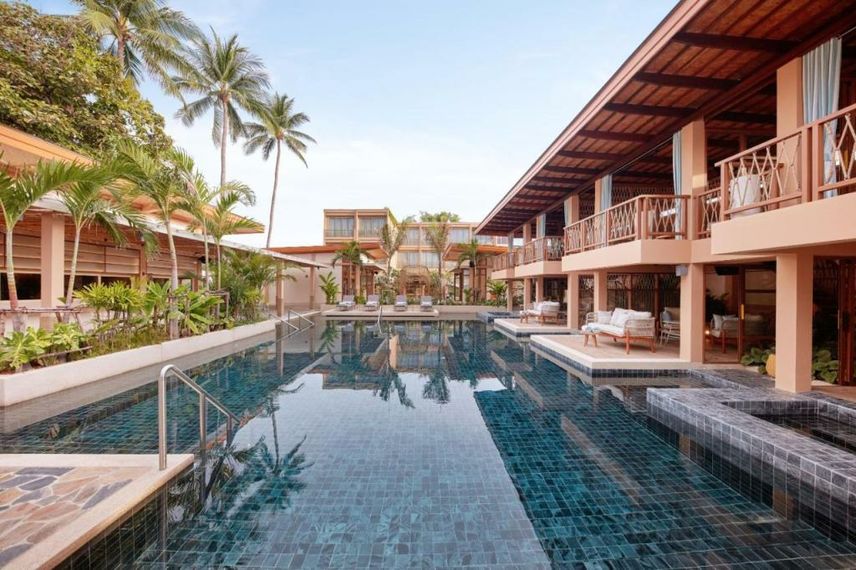
Boutique hotels typically house between 15 to 150 rooms, with most falling under the 100-room mark. This deliberate limitation creates an atmosphere where every guest feels known and valued. The Gramercy Park Hotel in New York exemplifies this approach with its 185 rooms, each distinctly designed.
Staff members recognize returning guests by name. The concierge remembers your coffee preference. This intimacy transforms a simple stay into a personal experience that larger establishments struggle to replicate.
The smaller footprint allows for unique architectural features and bespoke design elements. Every corner tells a story, every room offers something different. This scale enables creative freedom that would be financially prohibitive in larger properties.
Luxury Hotels: Grand Scale Operations
Luxury hotels operate on an entirely different scale, often featuring 200 to 1,000 rooms or more. The Four Seasons George V in Paris, with its 244 rooms, demonstrates how luxury properties balance size with service excellence. These properties function as self-contained worlds.
Multiple restaurants, extensive spa facilities, and various entertainment options create a comprehensive experience. Guests can spend days without leaving the property while enjoying world-class amenities. The scale allows for specialized services and departments dedicated to every aspect of hospitality.
Large luxury hotels maintain consistency across all touchpoints. Whether you’re in the lobby, restaurant, or spa, the service quality remains uniformly exceptional. This reliability comes from extensive training programs and established operational procedures.
Design Philosophy and Aesthetic Approach
Boutique Properties: Artistic Expression and Local Character
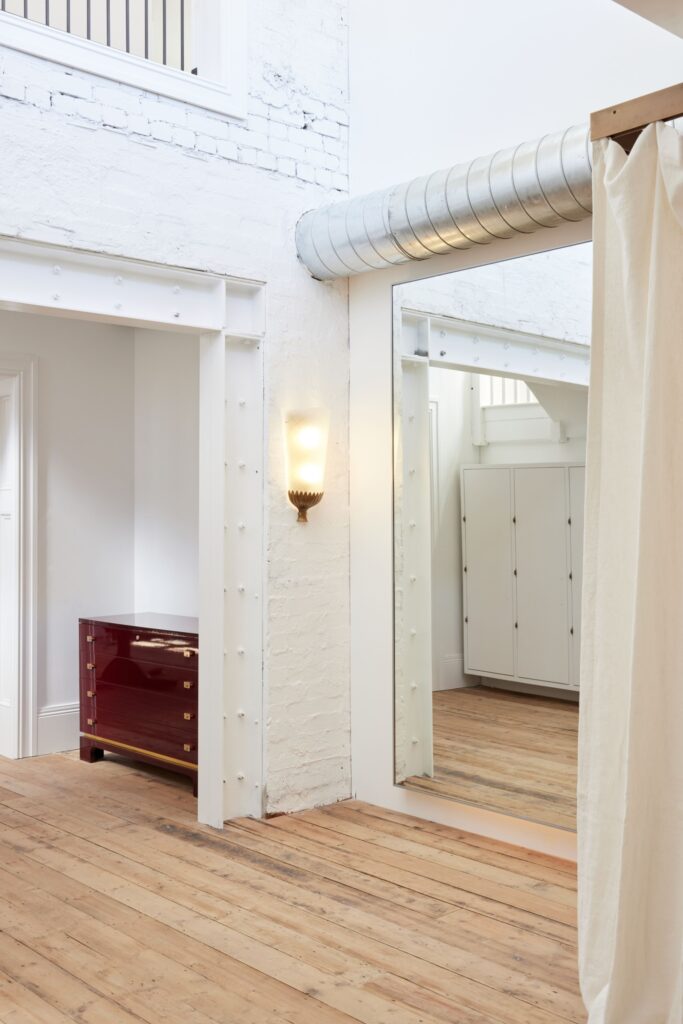
Boutique hotels embrace bold design choices and artistic expression. Each property reflects the owner’s vision or celebrates local culture and history. The Library Hotel in New York organizes each floor around different literary themes, creating an immersive intellectual experience.
Local artists often contribute to the hotel’s aesthetic. Furniture pieces might be custom-made, and artwork specifically commissioned. This approach creates spaces that feel more like private residences than commercial establishments.
Design risks that chain properties would never take become signature features. Unusual color palettes, unconventional layouts, and experimental materials create memorable environments. Guests choose these properties partly for their Instagram-worthy interiors and unique ambiance.
Luxury Hotels: Timeless Elegance and Refined Sophistication

Luxury hotels favor classic design principles and timeless elegance. Rich materials like marble, fine woods, and premium fabrics create an atmosphere of refined sophistication. The Ritz-Carlton brand exemplifies this approach with consistently elegant interiors across all properties.
Design choices prioritize comfort and functionality without sacrificing beauty. Every element serves both aesthetic and practical purposes. Professional interior designers work within established luxury standards to create spaces that feel both grand and welcoming.
Color schemes tend toward neutral tones with carefully chosen accent pieces. The goal is creating environments that remain stylish regardless of changing trends. This approach ensures the property maintains its luxury status for decades.
Service Models and Guest Experience

Personalized Service vs. Comprehensive Service

Boutique hotels excel at personalized service through their smaller guest-to-staff ratios. Staff members develop genuine relationships with guests, remembering preferences and anticipating needs. This personal touch creates loyalty that extends beyond single visits.
However, the service scope may be more limited. Boutique properties might not offer 24-hour room service or have extensive concierge networks. What they lack in breadth, they compensate for in personal attention and creative problem-solving.
Luxury hotels provide comprehensive service coverage across all areas. Multiple staff members specialize in different aspects of guest services. The concierge team has extensive networks and resources to fulfill almost any request, regardless of complexity or timing.
Staff Training and Service Standards
Luxury hotel chains invest heavily in standardized training programs. Staff members learn specific protocols and service standards that ensure consistency across all properties. StayRealm recognizes these training standards as crucial factors in luxury hotel classifications.
Boutique hotels often train staff to be more flexible and creative in their approach. Without rigid corporate guidelines, team members can adapt their service style to match the property’s unique personality. This flexibility allows for more spontaneous and memorable service moments.
Amenities and Facilities Comparison
Boutique Hotel Amenities: Quality Over Quantity
Boutique hotels carefully select amenities that align with their brand identity. A design-focused property might feature a curated art gallery instead of a traditional business center. A culinary-focused boutique hotel could offer cooking classes rather than a standard fitness center.
Technology integration often feels more seamless and modern in boutique properties. Without legacy systems to maintain, these hotels can implement cutting-edge solutions. Smart room controls, mobile check-in, and personalized app experiences become standard features.
Restaurant concepts in boutique hotels often push culinary boundaries. Celebrity chefs frequently partner with boutique properties to create unique dining experiences. The Edition hotels demonstrate this approach with their innovative restaurant partnerships and concepts.
Luxury Hotel Facilities: Comprehensive Excellence
Luxury hotels offer extensive facility portfolios designed to meet every possible guest need. Multiple restaurants provide diverse dining options, from casual to fine dining. Spa facilities rival standalone wellness destinations with comprehensive treatment menus and expert staff.
Business facilities cater to corporate travelers with state-of-the-art meeting rooms and conference centers. Some luxury properties feature ballrooms that can accommodate hundreds of guests for events and celebrations.
Recreational amenities often include multiple pools, fitness centers with personal training services, and activities like tennis courts or golf courses. The goal is ensuring guests never need to leave the property to find entertainment or services.
Location Strategies and Market Positioning
Boutique Hotels: Neighborhood Integration
Boutique hotels often choose locations that reflect local character and culture. They might occupy historic buildings in arts districts or trendy neighborhoods. The Ace Hotel chain successfully demonstrates this strategy by choosing emerging neighborhoods and contributing to their cultural development.
These properties become part of the local community rather than existing as isolated destinations. Guests experience authentic local culture through their hotel choice. The property serves as a gateway to neighborhood exploration and discovery.
Location decisions prioritize character over convenience. A boutique hotel might choose a converted warehouse in a creative district over a prime tourist location. This strategy attracts travelers seeking authentic experiences over traditional luxury.
Luxury Hotels: Prime Real Estate and Accessibility
Luxury hotels secure the most desirable locations in major cities and resort destinations. Prime real estate ensures easy access to attractions, shopping, and business districts. The Peninsula Hotels consistently choose corner locations in major cities for maximum visibility and accessibility.
These properties often become landmarks themselves, contributing to the city’s identity. The hotel’s presence can influence the surrounding area’s development and reputation. StayRealm tracks how luxury hotel locations impact local real estate values and tourism patterns.
Accessibility remains paramount in location selection. Proximity to airports, major transportation hubs, and business centers influences every site decision. Luxury travelers expect convenience as part of the premium experience.
Target Demographics and Guest Profiles
Boutique Hotel Guests: Experience Seekers and Design Enthusiasts
Boutique hotel guests typically prioritize unique experiences over standardized luxury. They’re often younger, more adventurous travelers who value authenticity and local immersion. Design-conscious consumers choose boutique properties for their Instagram-worthy aesthetics and creative interiors.
Business travelers who appreciate creative environments and personalized service gravitate toward boutique options. These guests often work in creative industries and prefer accommodations that inspire rather than simply provide comfort.
Solo travelers find boutique hotels particularly appealing for their intimate scale and social atmosphere. Common areas encourage interaction, and staff members provide personalized recommendations that enhance the travel experience.
Luxury Hotel Clientele: Comfort Seekers and Status Conscious
Luxury hotel guests prioritize comfort, consistency, and comprehensive service. They’re willing to pay premium rates for guaranteed quality and extensive amenities. Corporate executives and affluent leisure travelers form the core demographic.
International travelers often prefer luxury chains for their consistent standards across global locations. The predictable quality reduces travel stress and ensures reliable experiences regardless of destination.
Celebration travelers choose luxury hotels for milestone events like anniversaries, honeymoons, and special occasions. The grand settings and exceptional service create memorable experiences for life’s important moments.
Pricing Structures and Value Propositions
Boutique Hotel Pricing: Premium for Uniqueness
Boutique hotels command premium pricing through their unique value propositions. Guests pay for exclusivity, personalized service, and distinctive experiences that can’t be replicated elsewhere. Limited inventory allows for dynamic pricing strategies that maximize revenue.
The pricing reflects the property’s artistic vision and local market position. Design-focused boutique hotels can charge premiums similar to luxury properties while offering fewer traditional amenities. The unique experience justifies the cost for target demographics.
Seasonal pricing fluctuations tend to be more pronounced in boutique properties. Without extensive facilities to maintain year-round appeal, these hotels adjust rates based on local events and seasonal attractions.
Luxury Hotel Economics: Comprehensive Value Delivery
Luxury hotel pricing reflects the extensive facilities, services, and prime locations these properties offer. The cost encompasses not just accommodation but access to world-class amenities and services. StayRealm analyzes luxury hotel pricing trends to help travelers understand value propositions.
Brand reputation and consistency allow luxury hotels to maintain steady premium pricing. Guests pay for the assurance of quality and the extensive range of services available. The pricing includes access to facilities that would cost significantly more if purchased separately.
Corporate rates and loyalty programs create additional value layers for frequent travelers. These programs offset higher base rates through upgrades, amenities, and accumulated benefits over time.
Making Your Choice: Key Decision Factors
When to Choose Boutique Hotels
Select boutique hotels when seeking unique experiences and intimate service. These properties excel for romantic getaways, creative inspiration trips, and cultural immersion experiences. The personalized attention and distinctive design create memories that standard luxury cannot replicate.
Business travelers who appreciate creative environments and flexible service find boutique hotels ideal for productive stays. The inspiring surroundings and personalized attention can enhance both work performance and travel satisfaction.
Choose boutique properties when the destination offers rich local culture and attractions. These hotels serve as cultural ambassadors, connecting guests with authentic local experiences and insider knowledge.
When Luxury Hotels Make More Sense
Luxury hotels suit travelers prioritizing comfort, consistency, and comprehensive amenities. Family vacations benefit from the extensive facilities and reliable service standards these properties provide. Multiple dining options and recreational facilities keep all family members satisfied.
International business travel favors luxury chains for their predictable quality and extensive business facilities. The reliable service and comprehensive amenities reduce travel stress and support professional productivity.
Special celebrations and milestone events deserve the grand settings and exceptional service that luxury hotels provide. The sophisticated environments and flawless execution create perfect backdrops for life’s important moments.
Consider exploring both options through trusted travel resources to understand specific properties and their unique offerings. Your perfect accommodation depends on aligning your travel priorities with each hotel type’s distinctive strengths.
The choice between boutique and luxury hotels ultimately reflects your travel philosophy and priorities. Both deliver exceptional experiences through different approaches, ensuring that discerning travelers can find their perfect match in today’s sophisticated hospitality landscape.
Leave a Reply