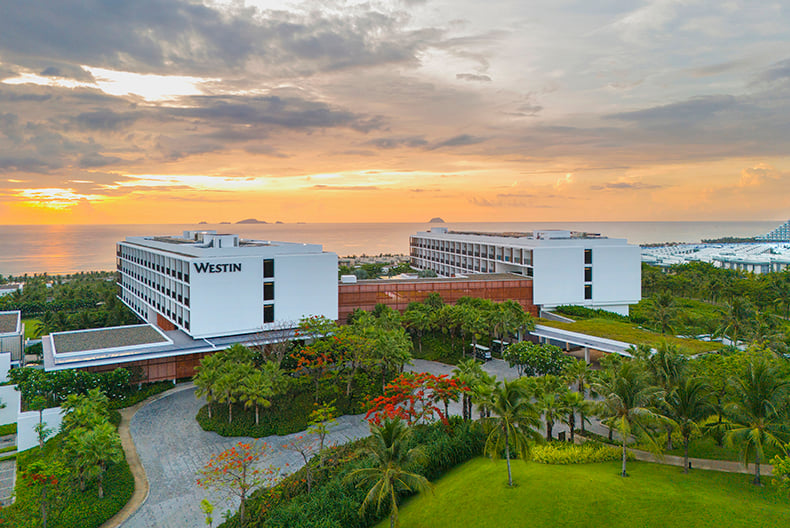
The hospitality industry has witnessed a fascinating evolution in 2026, with travelers increasingly seeking experiences that transcend mere accommodation. Understanding the distinction between resorts and hotels becomes crucial when planning your next getaway, whether you’re seeking urban sophistication or tropical escapism.
While both establishments offer lodging, their fundamental approaches to hospitality differ dramatically. Hotels prioritize convenience and location, serving as comfortable bases for exploring destinations. Resorts, conversely, transform into destinations themselves, offering comprehensive experiences designed to keep guests engaged throughout their stay.
The choice between these accommodation styles can make or break your vacation experience. Smart travelers recognize that selecting the wrong type of property can lead to disappointment, missed opportunities, and ultimately, a less satisfying trip than anticipated.
1. Scale and Physical Infrastructure

Resort Complexes Span Multiple Acres
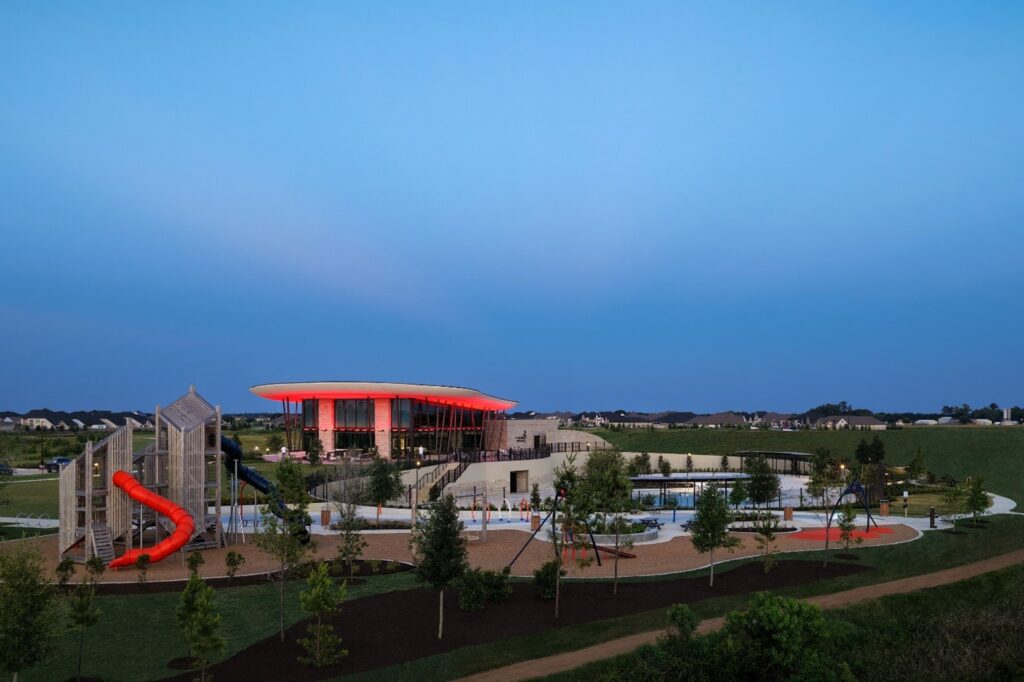
Resorts typically sprawl across extensive properties, often covering hundreds of acres of carefully curated landscape. These expansive grounds accommodate multiple buildings, recreational facilities, and natural features that create self-contained vacation environments.
The luxury resort experience relies heavily on spatial grandeur. Properties like the Four Seasons Resort Maui feature 15 acres of pristine beachfront, complete with multiple swimming pools, championship golf courses, and extensive tropical gardens that require dedicated landscaping teams.
This expansive approach allows resorts to offer diverse environments within a single property. Guests can transition from beach activities to mountain hiking, from spa treatments to championship golf, without ever leaving the resort boundaries.
Hotels Focus on Vertical Efficiency

Hotels, particularly in urban environments, maximize limited space through vertical construction. These properties concentrate amenities into compact footprints, prioritizing efficiency over sprawling luxury.
The typical city hotel operates within strict spatial constraints, utilizing every square foot strategically. Properties like The Plaza in New York demonstrate how hotels create luxury experiences within confined urban spaces, focusing on interior design and service excellence rather than extensive grounds.
This vertical approach enables hotels to offer premium locations in city centers, business districts, and transportation hubs. The trade-off involves sacrificing expansive recreational facilities for prime positioning and accessibility.
2. Amenities and Recreational Facilities

Comprehensive Recreation at Resorts

Modern resorts function as entertainment complexes, featuring extensive recreational portfolios that cater to diverse interests and age groups. These facilities often include multiple restaurants, championship golf courses, full-service spas, water sports centers, and children’s programs.
The Dreams Suites Golf Resort exemplifies this comprehensive approach with its 18-hole golf course, tennis courts, multiple swimming pools, water sports equipment, and dedicated kids’ clubs. Such extensive amenities require significant staffing and maintenance investments.
Resort amenities extend beyond traditional hospitality offerings to include specialized activities like cooking classes, cultural experiences, and adventure excursions. This breadth creates opportunities for guests to discover new interests and skills during their stay.
Essential Amenities in Hotels

Hotels concentrate on core amenities that support business and leisure travelers’ fundamental needs. These typically include fitness centers, business facilities, restaurants, and concierge services, but rarely extend to elaborate recreational programs.
The focus remains on quality rather than quantity, with hotels investing in superior bedding, advanced technology, and efficient service delivery. Premium hotels like The Ritz-Carlton properties excel in providing exceptional versions of essential amenities rather than extensive recreational portfolios.
Hotel amenities often reflect their target demographics and locations. Business hotels emphasize conference facilities and productivity tools, while leisure-focused properties might offer basic pools and casual dining options without extensive recreational programming.
3. Service Models and Staffing Approaches

All-Inclusive Service Philosophy

Resorts typically employ comprehensive service models designed to address guests’ needs without requiring them to venture off-property. This approach necessitates diverse staffing across recreation, dining, entertainment, and specialized services.
The all-inclusive model, popularized by brands like Sandals Resorts, requires extensive coordination between departments. Activities directors, dining staff, housekeeping, and entertainment teams must work seamlessly to create cohesive guest experiences throughout extended stays.
Resort staffing ratios often exceed those of hotels, with properties maintaining higher staff-to-guest ratios to support comprehensive programming. This investment in human resources directly impacts operational costs but enables the personalized service that defines luxury resort experiences.
Efficient Hotel Service Delivery
Hotels optimize service delivery for efficiency and consistency, focusing on core hospitality functions like check-in, housekeeping, food service, and concierge assistance. This streamlined approach allows for predictable service standards across different properties and brands.
The hotel service model assumes guests will seek entertainment, dining, and activities outside the property. Concierge services become crucial in connecting guests with local attractions, restaurants, and experiences that hotels cannot provide internally.
Hotel staff specialization tends to be more traditional, with clear departmental boundaries between front desk, housekeeping, food and beverage, and maintenance teams. This structure supports operational efficiency but may lack the integrated approach characteristic of resort properties.
4. Dining and Culinary Experiences
Multiple Restaurants and Diverse Cuisines
Resorts invest heavily in diverse culinary programs, often featuring multiple restaurants representing different cuisines, cooking styles, and dining atmospheres. This variety becomes essential when guests spend extended periods on-property without access to external dining options.
Properties like luxury beach resorts might offer Italian trattorias, Japanese sushi bars, steakhouses, and casual beachside grills within a single property. This culinary diversity requires specialized chefs, extensive kitchen facilities, and complex supply chain management.
Resort dining often includes specialty experiences like chef’s table dinners, wine tastings, and cooking classes that extend beyond mere meal service. These programs create memorable experiences while justifying premium pricing structures.
Many resorts also accommodate dietary restrictions and preferences more comprehensively, maintaining dedicated preparation areas for vegetarian, vegan, gluten-free, and other specialized dining requirements. This attention to detail becomes crucial when guests cannot easily access alternative dining options.
Focused Hotel Dining Concepts
Hotels typically operate fewer dining venues, often featuring a primary restaurant, casual café, and room service options. The assumption remains that guests will explore local dining scenes, reducing pressure on hotels to provide extensive culinary variety.
Urban hotels frequently partner with celebrity chefs or renowned restaurant groups to create signature dining experiences that attract both guests and local diners. These partnerships allow hotels to offer exceptional culinary experiences without managing extensive in-house culinary operations.
Hotel dining strategies often reflect local culinary cultures, with properties showcasing regional specialties and local ingredients. This approach creates authentic dining experiences while supporting local suppliers and culinary traditions.
5. Target Markets and Guest Demographics
Vacation-Focused Resort Guests
Resorts primarily attract leisure travelers seeking comprehensive vacation experiences, extended stays, and minimal need for external activities. These guests prioritize relaxation, recreation, and escape from daily routines over urban exploration or business activities.
The typical resort guest spends 5-7 days per stay, compared to 2-3 days at hotels. This extended duration allows resorts to develop deeper relationships with guests and provide more personalized experiences throughout longer stays.
Resort marketing targets specific demographics including honeymooners, families with children, groups celebrating special occasions, and travelers seeking wellness experiences. Each segment requires specialized programming and facilities to ensure satisfaction.
Premium resort destinations often attract repeat guests who develop loyalty to specific properties and return annually for familiar experiences. This repeat business model influences everything from staff training to facility maintenance strategies.
Business and Transit Hotel Guests
Hotels serve diverse guest segments including business travelers, tourists exploring cities, and transit passengers requiring convenient accommodation. These guests typically seek efficient service, strategic locations, and easy access to external attractions or business facilities.
Business travelers represent a significant hotel demographic, requiring meeting facilities, reliable internet, business centers, and proximity to corporate offices or conference venues. Hotels design services and amenities specifically to support productivity and professional activities.
Tourist hotel guests prioritize location over extensive on-site amenities, seeking properties near attractions, shopping districts, or transportation hubs. These guests view hotels as comfortable bases for exploring destinations rather than destinations themselves.
Making the Right Choice for Your Travel Style
When Resorts Excel
Choose resorts when seeking comprehensive vacation experiences, celebrating special occasions, or traveling with families requiring diverse entertainment options. The all-inclusive nature of resort experiences suits travelers who prefer predictable costs and minimal planning during their stay.
Resorts work particularly well for destination weddings, honeymoons, family reunions, and group celebrations where guests want to spend time together without venturing far from their accommodation. The extensive facilities support group activities while offering privacy when desired.
Consider resorts for wellness retreats, golf vacations, or extended stays where relaxation takes precedence over exploration. The comprehensive amenities and programming support longer visits without repetition or boredom.
When Hotels Make More Sense
Select hotels for business travel, city exploration, or short stays where location matters more than extensive amenities. The urban positioning and efficient service model of hotels supports busy itineraries and tight schedules.
Hotels excel for cultural tourism, shopping trips, or visits focused on external attractions where accommodation serves as a comfortable base rather than the primary destination. The concierge services and local partnerships help guests navigate unfamiliar cities.
Choose hotels when budgeting for experiences outside your accommodation, as the lower amenity overhead often translates to more competitive room rates. This approach allows travelers to allocate more resources toward external dining, entertainment, and attractions.
Pricing Structures and Value Propositions
Resort All-Inclusive Models
Resort pricing typically includes accommodation, meals, beverages, and basic activities in comprehensive packages that simplify budgeting but require higher upfront investments. This model appeals to travelers who prefer predictable vacation costs without surprise expenses.
The all-inclusive approach can provide exceptional value for guests who fully utilize resort amenities, particularly families with children or groups staying longer periods. However, travelers who prefer exploring external dining and attractions may find the model restrictive.
Premium resorts often tier their all-inclusive offerings, with basic packages covering standard amenities and upgraded packages including premium dining, top-shelf beverages, and specialized activities. This structure allows properties to accommodate different budget levels while maintaining comprehensive service models.
Hotel Á La Carte Pricing
Hotels typically charge for accommodation separately from meals, activities, and other services, providing flexibility for guests to customize their experiences and control expenses. This approach suits travelers with specific preferences or tight budgets.
The à la carte model allows guests to experience local dining scenes, explore city attractions, and choose activities based on personal interests rather than pre-planned packages. However, costs can accumulate quickly for guests who prefer convenient on-site services.
Many hotels now offer package deals that bundle accommodation with breakfast, parking, or local attraction tickets, providing some of the convenience associated with resort packages while maintaining flexibility for guests who want to explore independently.
Ready to plan your perfect getaway? Whether you’re drawn to comprehensive resort experiences or prefer the urban sophistication of premier hotels, understanding these distinctions will help you make informed decisions that align with your travel style and preferences.
Future Trends in Resort and Hotel Development
Technology Integration Across Property Types
Both resorts and hotels are embracing advanced technology to enhance guest experiences, though their applications differ significantly. Resorts focus on technologies that support recreational activities and comprehensive service delivery, while hotels prioritize efficiency and business productivity tools.
Smart room technology has become standard across both property types in 2026, with voice-activated controls, mobile check-in systems, and personalized climate management. However, resorts extend these technologies to recreational facilities, offering app-based activity booking and real-time amenity availability updates.
The integration of artificial intelligence in hospitality continues evolving, with resorts using AI to predict guest preferences for activities and dining, while hotels focus on optimizing room assignments and streamlining business services.
Sustainability Initiatives Shape Property Design
Environmental consciousness increasingly influences both resort and hotel development, though their approaches reflect different operational scales and guest expectations. Resorts invest in extensive renewable energy systems, water conservation programs, and sustainable landscaping that support their expansive operations.
Hotels focus on energy efficiency, waste reduction, and sustainable sourcing programs that align with urban environments and shorter guest stays. The compact nature of hotel properties allows for more intensive sustainability measures per square foot of space.
Both property types recognize that modern travelers, particularly younger demographics, prioritize environmental responsibility when selecting accommodations. This trend influences everything from construction materials to daily operational procedures across the hospitality industry.
Leave a Reply