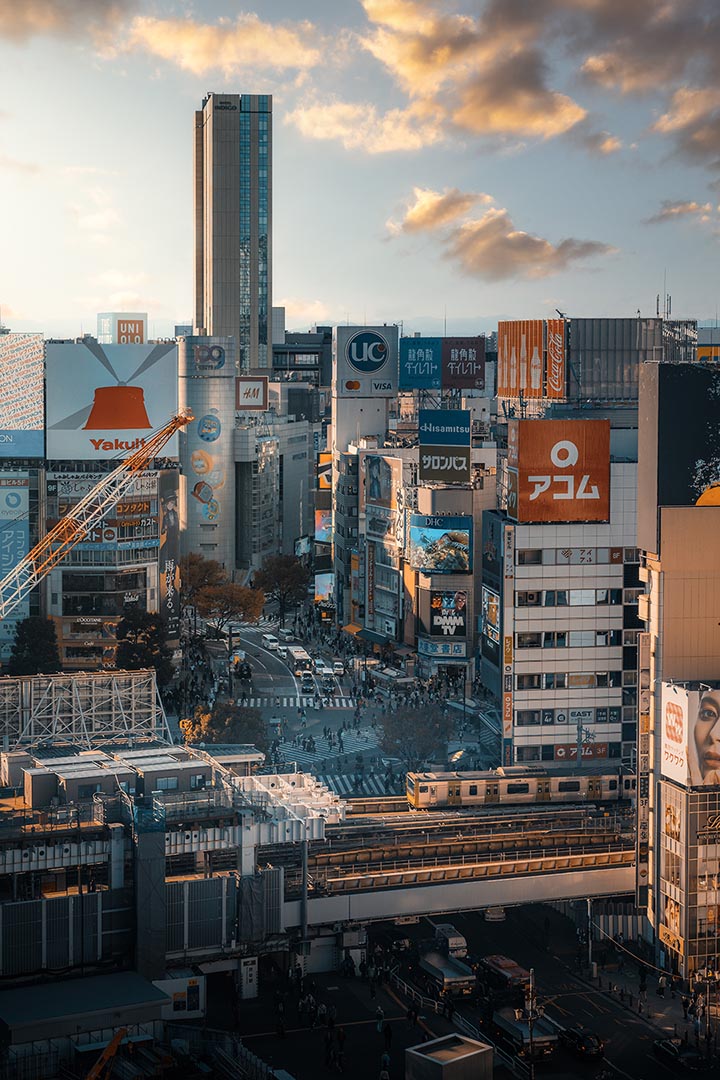
Tokyo’s neon-soaked heart beats strongest in Shibuya, where millions of souls cross paths daily beneath towering digital billboards and through the world’s busiest pedestrian intersection. This electric district pulses with an energy that captures the essence of modern Japan, seamlessly blending tradition with futuristic innovation.
From the iconic scramble crossing immortalized in countless films to hidden rooftop bars offering panoramic city views, Shibuya delivers experiences that define Tokyo’s magnetic appeal. Whether you’re hunting for the latest streetwear drops, seeking authentic culinary adventures, or chasing the city’s legendary nightlife, this district serves as your gateway to urban Japan.
The area has transformed dramatically since 2020, with new developments reshaping the skyline and creating fresh attractions alongside beloved classics. Today’s Shibuya offers something for every traveler, from budget-conscious explorers to luxury seekers wanting Tokyo’s finest experiences.
1. Navigate the Famous Shibuya Crossing
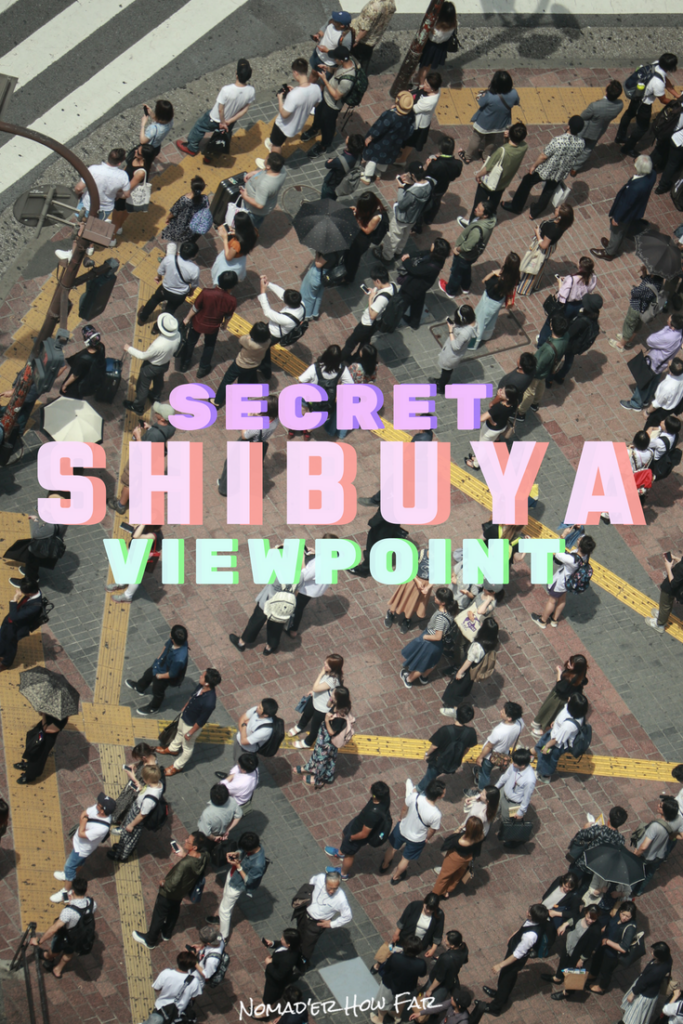
The world’s most famous pedestrian intersection commands center stage in Shibuya’s urban theater. Up to 3,000 people surge across this concrete stage every two minutes during peak hours, creating a choreographed chaos that mesmerizes visitors worldwide.
Watch this human symphony unfold from multiple vantage points scattered throughout the area. The second floor of Starbucks in the Tsutaya building provides the classic tourist perspective, though expect crowds and limited seating during busy periods.
Sky Viewing Platforms Above the Crossing
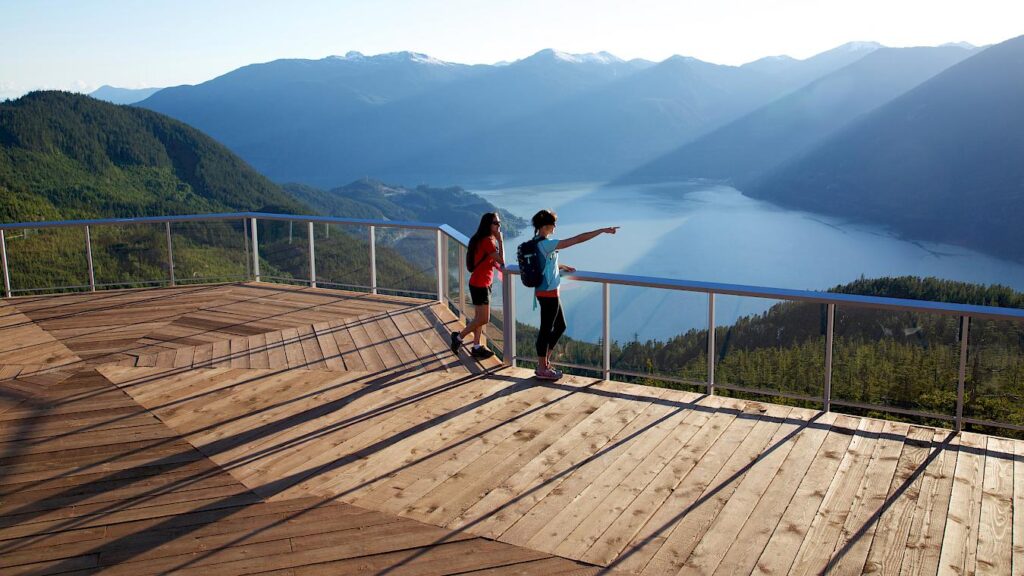
Shibuya SKY observation deck offers the ultimate aerial perspective from 229 meters above street level. This rooftop paradise opened as part of the massive Shibuya redevelopment, providing 360-degree views that stretch from Mount Fuji to Tokyo Bay on clear days.
The experience costs 2,000 yen for adults, but the investment pays dividends during sunset when the city transforms into a glittering metropolis. Book tickets online through the official website to skip lengthy queues, especially during cherry blossom season and summer festivals.
Best Times to Experience the Crossing

Rush hour between 7-9 AM and 5-8 PM delivers maximum pedestrian density for the full sensory overload. However, late evening crossings around 10-11 PM offer a more atmospheric experience with dramatic neon reflections and manageable crowds.
Weekend afternoons bring diverse crowds mixing tourists, shoppers, and Tokyo’s fashion-forward youth heading to nearby Harajuku. Each time period offers distinct energy that reflects different aspects of Tokyo life.
2. Shopping Districts and Fashion Destinations
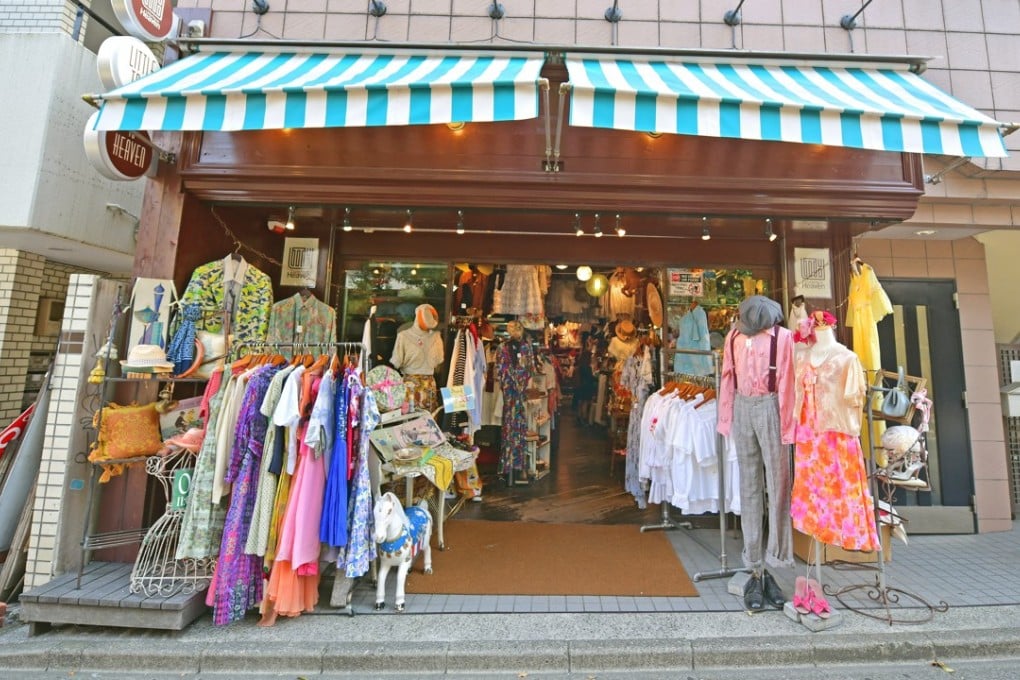
Shibuya’s retail landscape spans multiple generations and style tribes, from underground streetwear havens to gleaming department store floors. The district’s shopping DNA reflects Japan’s position as a global fashion capital where East meets West in unexpected ways.
Center Gai Street Culture
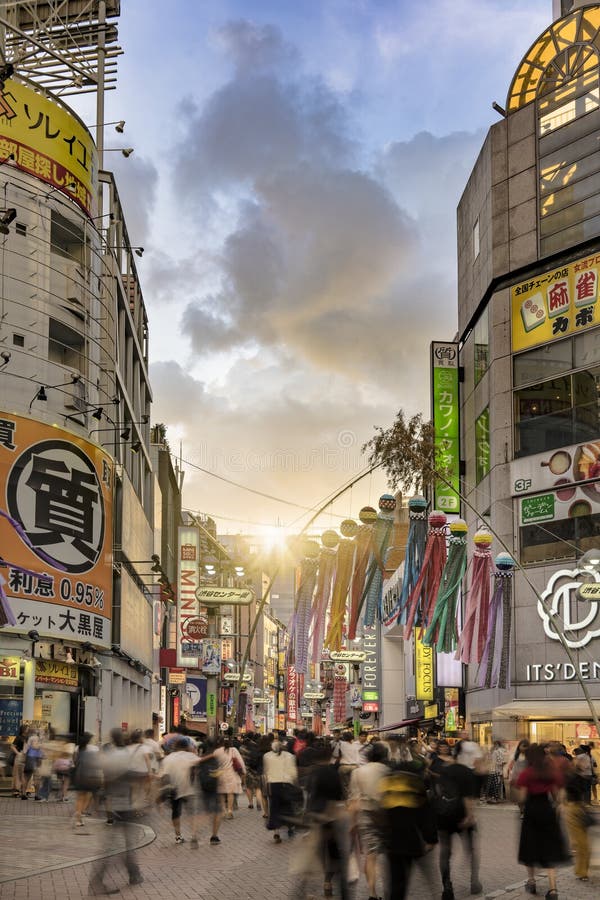
This pedestrian-only street thrums with youthful energy and street fashion that influences trends across Asia. Vintage stores, sneaker boutiques, and independent labels line the narrow passages where Tokyo’s creative youth gather to see and be seen.
Explore shops like WEGO for affordable Harajuku-inspired pieces, or hunt through the cramped floors of vintage stores selling authentic band T-shirts and rare denim. The area transforms after dark when neon signs illuminate the crowds heading to karaoke boxes and game centers.
Shibuya 109 Fashion Empire
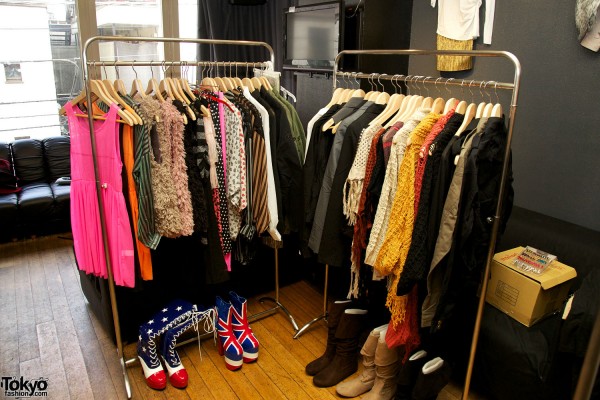
This cylindrical fashion fortress has defined young women’s style in Japan for over four decades. Ten floors showcase everything from kawaii accessories to sophisticated workwear, with each level targeting specific age groups and fashion sensibilities.
The building’s influence extends far beyond retail, serving as a cultural barometer for Japanese youth trends. Visit during weekdays for a more relaxed shopping experience, as weekends bring overwhelming crowds of fashion-conscious teenagers.
Luxury Shopping at Shibuya Scramble Square
Tokyo’s tallest mixed-use building houses premium brands across 14 retail floors, from international luxury houses to exclusive Japanese labels. The shopping experience here feels more refined than street-level Shibuya, with wider aisles and sophisticated interior design.
Don’t miss the food floors featuring both casual dining and high-end restaurants with crossing views. The building connects directly to JR Shibuya Station, making it convenient for quick shopping sessions between other Tokyo adventures.
3. Culinary Adventures and Local Food Scene
Shibuya’s food culture extends far beyond typical tourist traps, offering everything from Michelin-starred dining rooms to tiny counter bars serving perfect bowls of ramen. The district’s culinary landscape reflects Tokyo’s incredible diversity and dedication to craft.
Shibuya Food Show Underground
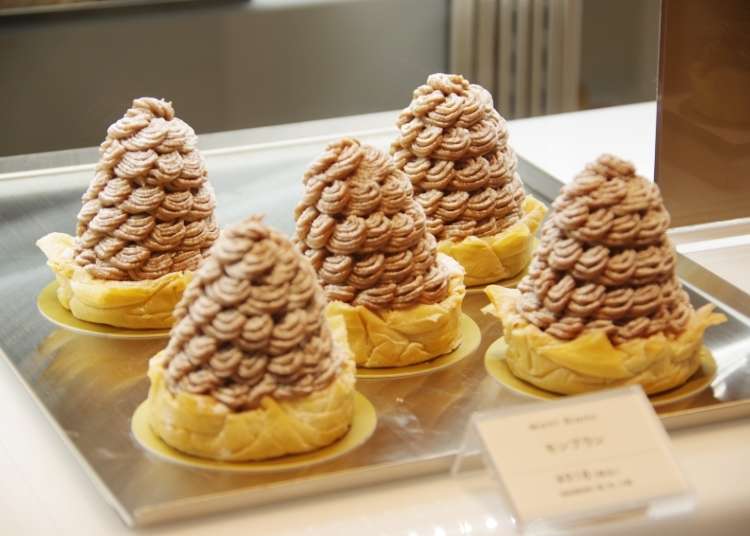
The basement levels of major department stores house some of Tokyo’s finest food halls, where master craftspeople prepare everything from handmade wagyu sandwiches to artistic Japanese sweets. These depachika represent Japan’s commitment to food as art form.
Explore the basement of Tokyu or Seibu department stores for premium ingredients, prepared foods, and sweets that make perfect gifts. Staff often offer free samples, allowing you to taste high-quality Japanese specialties before purchasing.
Ramen and Street Food Culture
Ichiran Ramen’s Shibuya location offers the quintessential Tokyo bowl experience in private booths that focus attention purely on the food. The tonkotsu broth receives customization for spice level, richness, and noodle firmness according to personal preference.
For yakitori perfection, seek out tiny restaurants under the railway tracks where salarymen gather after work. These intimate spaces serve grilled chicken parts you never knew existed, paired with cold beer and friendly conversation despite language barriers.
Upscale Dining With City Views
The upper floors of Shibuya’s skyscrapers house restaurants that combine exceptional cuisine with panoramic views across Tokyo’s sprawling metropolis. Many offer set lunch menus that provide fine dining experiences at reasonable prices.
Reserve tables at restaurants in Cerulean Tower or Shibuya Sky Building for special occasions. The combination of expertly prepared Japanese cuisine and stunning vistas creates memorable experiences worthy of any Tokyo itinerary. Check reservation platforms for availability and pricing information.
4. Nightlife and Entertainment Districts
When darkness falls, Shibuya transforms into Tokyo’s premier entertainment playground where neon-lit streets pulse with music from countless bars, clubs, and karaoke boxes. The district’s nightlife caters to every taste, from intimate cocktail lounges to massive dance floors.
Golden Gai Style Bar Hopping
While the famous Golden Gai sits in nearby Shinjuku, Shibuya offers its own collection of tiny bars tucked into narrow buildings and basement spaces. These intimate venues typically seat fewer than ten people, creating opportunities for genuine connections with locals and fellow travelers.
Look for bars in Nonbei Yokocho, a narrow alley near Shibuya Station where traditional drinking culture survives amid urban development. Each establishment has distinct personality, from jazz-focused spaces to bars specializing in rare Japanese whisky.
Club Scene and Dance Culture
Shibuya’s club scene attracts international DJs and electronic music enthusiasts from across Asia and beyond. Venues like Womb and Club Camelot host world-class performers spinning everything from techno to hip-hop in state-of-the-art sound systems.
Entry fees typically range from 2,000-4,000 yen depending on the venue and night, with many clubs offering drink packages. The scene really comes alive after midnight, so pace yourself during dinner and early evening activities.
Karaoke Culture and Private Rooms
No Tokyo experience feels complete without belting out favorite songs in a private karaoke room surrounded by friends or family. Shibuya’s karaoke establishments range from budget-friendly chains to luxury suites with premium sound systems and extensive food menus.
Big Echo and Karaoke-kan dominate the landscape with multiple locations throughout the district. Both offer English song selections and user-friendly interfaces, making them accessible for international visitors wanting authentic Japanese entertainment experiences.
5. Cultural Attractions and Museums
Beyond shopping and nightlife, Shibuya offers cultural attractions that provide deeper insights into Japanese art, history, and contemporary society. These venues balance entertainment with education, perfect for travelers seeking meaningful experiences.
Bunkamura Cultural Complex
This arts center houses multiple venues including concert halls, theaters, and exhibition spaces that showcase both Japanese and international talent. The complex regularly hosts traveling exhibitions from major museums worldwide alongside performances by renowned musicians and theater companies.
Check their official schedule for current exhibitions and performances during your visit. Many events offer English audio guides or subtitles for international audiences.
Hachiko Memorial and Statue
The bronze statue of Tokyo’s most faithful dog draws millions of visitors annually to learn about loyalty, love, and loss. Hachiko waited for his deceased owner at Shibuya Station every day for nearly ten years, becoming a symbol of devotion that resonates across cultures.
The statue serves as a popular meeting point, but take time to read about Hachiko’s story and its significance in Japanese culture. The nearby green JR train car houses a small exhibition about the dog’s life and legacy.
6. Day Trip Planning and Transportation Tips
Shibuya’s central location makes it an ideal base for exploring other Tokyo neighborhoods and attractions. The station serves as a major transportation hub connecting multiple train and subway lines that reach every corner of the metropolitan area.
JR Yamanote Line Connections
This circular train line connects Shibuya to major destinations including Shinjuku (7 minutes), Harajuku (2 minutes), and Shinagawa (11 minutes). The frequent service runs every 2-4 minutes during peak hours, making spontaneous neighborhood hopping effortless.
Purchase a Tokyo Metro 24-hour pass for unlimited travel on subway lines, or use IC cards like Suica for convenient tap-and-go access across all transportation systems. Both options save money compared to individual ticket purchases for active sightseeing days.
Walking Routes to Adjacent Areas
Harajuku’s famous Takeshita Street lies just one station away, but the 15-minute walk through quieter residential areas offers glimpses of everyday Tokyo life away from tourist crowds. The route passes several small shrines and local shops worth exploring.
Similarly, the walk to Roppongi takes about 25 minutes through upscale neighborhoods showcasing modern architecture and embassy districts. This journey provides excellent photography opportunities and cultural observations between major destinations.
7. Seasonal Events and Festivals
Throughout the year, Shibuya hosts festivals and events that celebrate Japanese culture while embracing international influences. These gatherings transform the already energetic district into even more vibrant celebrations of community and creativity.
Cherry Blossom Season Activities
While Shibuya lacks major parks for traditional hanami parties, the area comes alive during sakura season with special events, limited-edition products, and decorative displays throughout shopping centers and restaurants.
Many rooftop bars and restaurants offer cherry blossom viewing menus during April, combining seasonal cuisine with distant views of blooming trees in nearby parks. Book accommodations early as this period represents peak tourist season with higher prices and limited availability.
Halloween Street Party Phenomenon
Shibuya’s Halloween celebration has evolved into Japan’s largest costume party, drawing hundreds of thousands of participants in elaborate outfits who transform the crossing area into a massive outdoor festival. The event showcases Japanese creativity and pop culture influences.
Recent years have brought organized management to control crowds and ensure safety, with designated areas for costume changes and photo opportunities. Participate respectfully by following local guidelines and cleaning up after festivities conclude.
Whether you’re crossing the famous intersection for the first time or returning to discover new layers of this complex district, Shibuya continues evolving while maintaining the electric energy that makes it Tokyo’s beating heart. Plan multiple visits during different times of day to fully appreciate how this urban stage transforms with the rhythms of metropolitan life.
Leave a Reply