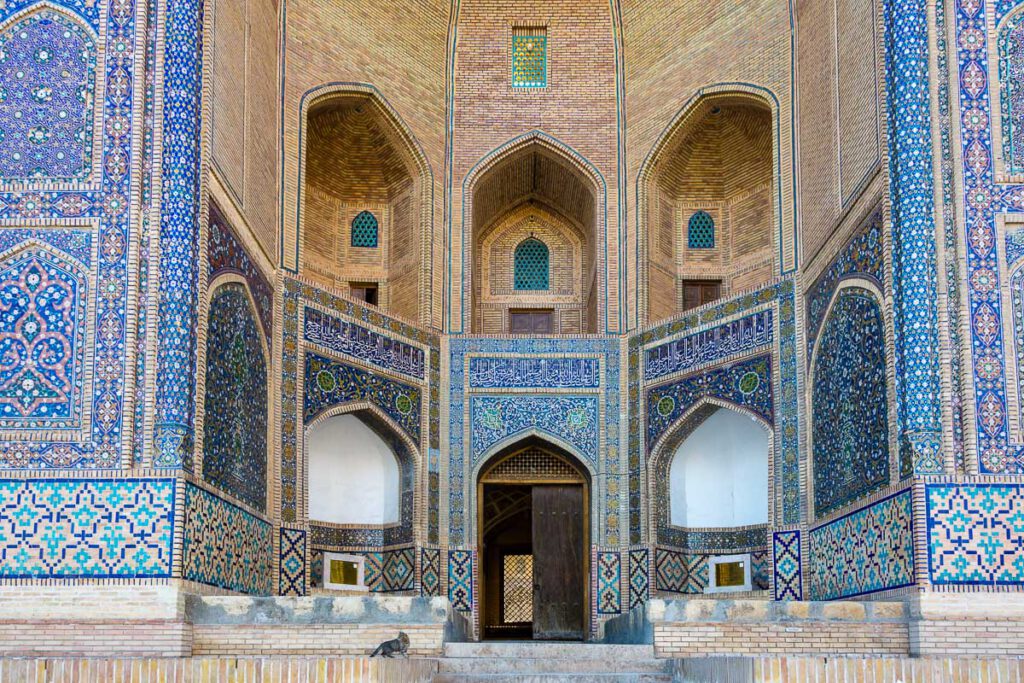
The hospitality industry has witnessed a significant shift in guest preferences over the past decade. While major hotel chains once dominated the market through standardization and reliability, today’s discerning travelers increasingly seek properties that offer something distinctly different.
Boutique hotels have emerged as the preferred choice for specific types of travelers who value authenticity, personalized service, and unique experiences over predictable amenities. These properties typically feature fewer than 100 rooms, distinctive design elements, and a strong connection to their local environment.
Understanding who chooses boutique accommodations reveals broader trends in travel behavior and consumer preferences. The data shows clear patterns among certain demographics and travel styles that consistently favor these intimate, design-forward properties.
Business Travelers Seeking Distinctive Experiences
1. Creative Professionals and Entrepreneurs

Creative professionals represent one of the largest segments of boutique hotel guests. Advertising executives, architects, designers, and startup founders gravitate toward properties that inspire rather than simply accommodate.
These travelers often view their accommodation choice as an extension of their professional brand. A carefully curated hotel experience provides networking opportunities and creative stimulation that generic chain properties cannot match.
Many report that the unique design elements and local artwork found in boutique properties help spark innovation and creative thinking. The intimate lobby spaces and distinctive common areas naturally facilitate conversations with like-minded professionals.
2. Senior Executives Prioritizing Privacy
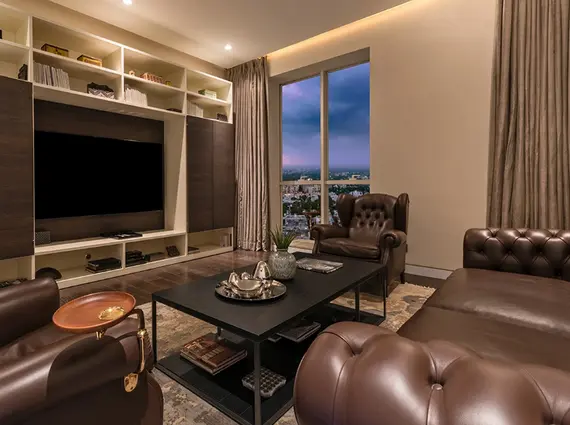
High-level executives increasingly choose boutique hotels for their discretion and personalized service. These properties typically offer more privacy than large chain hotels, where business dealings might attract unwanted attention.
The smaller scale allows staff to recognize returning guests and anticipate their specific needs without compromising confidentiality. Many boutique properties also provide exclusive meeting spaces and private dining options ideal for sensitive business discussions.
Executive assistants report that boutique hotels often provide more flexible service arrangements, accommodating last-minute schedule changes and special requests with greater ease than larger establishments.
Luxury Travelers and Experience Collectors
3. High-Net-Worth Individuals Seeking Authenticity

Wealthy travelers who can afford any accommodation often choose boutique hotels precisely because they offer experiences money cannot easily replicate elsewhere. These guests value exclusivity and authenticity over ostentatious displays of luxury.
Research from luxury travel consultants shows that affluent travelers increasingly reject cookie-cutter luxury in favor of properties with genuine character and local connections. They seek hotels that tell a story rather than simply provide amenities.
Many high-net-worth individuals also appreciate the smaller guest counts at boutique properties, which naturally create a more exclusive atmosphere without artificial restrictions or membership requirements.
4. Collectors of Unique Travel Experiences

A growing segment of travelers actively seeks out distinctive accommodations as part of their journey rather than viewing hotels merely as places to sleep. These experience collectors often plan entire trips around staying at specific boutique properties.
Social media has amplified this trend, with many travelers sharing their unique hotel discoveries as badges of sophisticated taste. The photogenic nature of well-designed boutique properties makes them particularly appealing to this demographic.
These guests typically conduct extensive research before booking, reading design blogs, architectural publications, and insider travel guides to identify properties that offer something genuinely special or rare.
Millennial and Gen Z Travelers
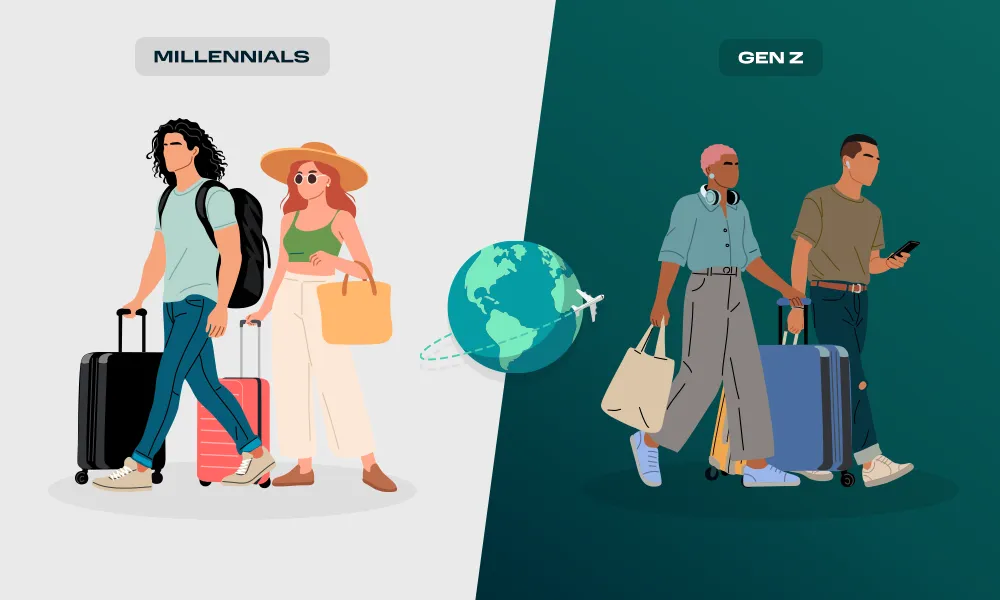
5. Digital Nomads and Remote Workers

The rise of remote work has created a new category of travelers who need accommodations that function as temporary offices. Boutique hotels often excel at providing the ambiance and amenities these digital nomads require.
Unlike chain hotels designed primarily for short stays, many boutique properties offer comfortable workspaces, reliable high-speed internet, and environments conducive to productivity. The design-forward approach creates inspiring spaces that beat typical coworking environments.
Many digital nomads also value the community aspect of boutique hotels, where they can connect with other remote workers and creative professionals staying at the property.
6. Instagram-Savvy Social Media Users
Younger travelers often choose boutique hotels specifically for their visual appeal and shareability on social platforms. These properties typically offer numerous Instagram-worthy spaces, from artistic lobbies to rooftop bars with stunning views.
The unique design elements and local character of boutique hotels provide the distinctive backdrop that social media users need to stand out from typical travel posts. Many properties now deliberately design spaces with social sharing in mind.
This demographic also appreciates that boutique hotels often partner with local artists, restaurants, and cultural institutions, providing access to experiences that create compelling social media content.
Culturally Curious and Design-Conscious Guests
7. Architecture and Design Enthusiasts
Travelers with serious interests in architecture and interior design frequently choose boutique hotels to experience innovative design concepts firsthand. These properties often serve as showcases for emerging design trends and local artistic talent.
Many boutique hotels collaborate with renowned architects and designers, creating spaces that function as temporary exhibitions of cutting-edge hospitality design. Guests can experience award-winning interiors and architectural innovations up close.
Design-conscious travelers often extend their stays specifically to study and photograph the property’s aesthetic elements, treating the hotel itself as a destination rather than just accommodation.
8. Cultural Immersion Seekers
Travelers who want to experience local culture beyond typical tourist attractions often find boutique hotels provide deeper connections to their destination. These properties typically reflect local design traditions, showcase regional artists, and partner with neighborhood businesses.
Many boutique hotels serve as informal cultural centers, hosting art exhibitions, wine tastings featuring local producers, and events that bring together guests and local residents. This creates authentic cultural exchange opportunities.
The staff at boutique properties often possess deeper knowledge of local culture and hidden gems than their chain hotel counterparts, who may focus more on standard tourist recommendations.
Romantic Getaway and Special Occasion Travelers
9. Couples Celebrating Milestones
Boutique hotels excel at creating romantic atmospheres for couples celebrating anniversaries, honeymoons, and other special occasions. The intimate scale and personalized service make these properties ideal for meaningful celebrations.
Many couples choose boutique hotels specifically because they offer unique amenities like private terraces, in-room fireplaces, or access to exclusive experiences that create lasting memories. The distinctive character of each property makes every celebration feel special.
Staff at boutique properties typically excel at customizing experiences for celebrating couples, arranging everything from private dining to surprise amenities that would be difficult to coordinate at larger establishments.
10. Weekend Warriors from Major Cities
Urban professionals often choose boutique hotels for weekend getaways because they offer a complete contrast to city life without requiring long-distance travel. These properties provide escape and rejuvenation close to home.
Many boutique hotels in secondary markets or smaller cities offer sophisticated amenities and service levels that rival major urban properties while providing a more relaxed atmosphere. This combination appeals strongly to stressed city dwellers.
The unique character of boutique properties helps create the sense of having traveled somewhere special, even when the distance from home is relatively short.
The Psychology Behind Boutique Hotel Preferences
Personalization Over Standardization
Research in hospitality psychology shows that certain personality types consistently prefer personalized experiences over standardized ones. These individuals often score higher on measures of openness to experience and aesthetic appreciation.
Boutique hotel guests frequently report feeling more valued as individuals rather than room numbers. The smaller scale allows staff to provide service that feels personal rather than procedural.
This preference for personalization often correlates with other lifestyle choices, including shopping at independent retailers, dining at local restaurants, and seeking out unique entertainment options.
Status Signaling Through Insider Knowledge
Choosing boutique hotels can function as a form of cultural capital, demonstrating sophisticated taste and insider knowledge. These properties often require more research to discover and book than mainstream alternatives.
Many boutique hotel guests enjoy the social currency that comes from staying at lesser-known but highly regarded properties. This knowledge signals membership in an informed, culturally aware community.
The exclusivity factor of boutique hotels appeals to travelers who prefer subtle status markers over obvious luxury displays.
Current Trends Shaping Boutique Hotel Preferences
Post-Pandemic Privacy Priorities
The COVID-19 pandemic accelerated existing trends toward smaller, more intimate accommodations. Many travelers now actively avoid large hotels in favor of properties with fewer guests and more controlled environments.
Boutique hotels’ smaller scale naturally provides the social distancing and reduced crowding that many guests continue to prefer. The enhanced cleaning protocols at quality boutique properties often receive more personal attention than those at large chain hotels.
Health-conscious travelers also appreciate that boutique properties can more easily accommodate special dietary needs, air quality concerns, and other wellness-related requests on an individual basis.
Sustainability and Local Impact
Environmentally conscious travelers increasingly choose boutique hotels because they typically have smaller environmental footprints and stronger connections to local communities. These properties often source amenities locally and employ neighborhood residents.
Many boutique hotels pioneer sustainable hospitality practices because their smaller scale makes innovation more feasible. Guests who value environmental responsibility often find these properties align better with their values.
The local ownership structure of many boutique hotels ensures that tourism dollars benefit the immediate community rather than distant corporate shareholders.
Ready to experience the distinctive charm of boutique hospitality? Browse carefully curated boutique hotel options that match your travel style and preferences.
The Future of Boutique Hotel Appeal
Technology Integration Without Losing Character
Modern boutique hotels must balance technological amenities with their distinctive character. Successful properties integrate smart room controls, mobile check-in, and high-speed connectivity without compromising their unique aesthetic appeal.
The most popular boutique hotels use technology to enhance rather than replace human interaction. Mobile concierge services and personalized app experiences complement rather than substitute for face-to-face service.
Young travelers expect seamless technological integration, but they still value the human touches that distinguish boutique properties from automated chain hotel experiences.
Hybrid Work and Extended Stays
The continued growth of remote work is creating new opportunities for boutique hotels to attract longer-stay guests who need accommodation that functions as a temporary home and office.
Properties that successfully adapt to this trend offer workspace amenities, flexible room configurations, and community areas designed for both work and relaxation. The social aspects of boutique hotels appeal to remote workers who might otherwise experience isolation.
Many boutique properties now offer extended-stay packages with amenities specifically designed for digital nomads and remote workers seeking inspiring environments.
The travelers who choose boutique hotels represent a sophisticated segment that values authenticity, personalized service, and unique experiences over predictable amenities. From creative professionals seeking inspiration to couples celebrating special occasions, these guests consistently prioritize character and individuality in their accommodation choices.
Understanding these preferences helps explain why boutique hotels continue to gain market share despite typically commanding premium rates. As travel becomes more accessible and standardized experiences become commonplace, the appeal of distinctive, locally connected properties will likely continue growing among discerning travelers who view their accommodation choice as an integral part of their journey rather than simply a place to sleep.
Leave a Reply