
The choice between an all-inclusive resort and a standard hotel can make or break your vacation experience. Each accommodation style serves different travel preferences, budgets, and expectations. Understanding these fundamental differences helps you make an informed decision that aligns with your travel goals.
Modern travelers face more options than ever before in 2026. The hospitality industry has evolved to offer everything from ultra-luxury all-inclusive experiences to boutique hotels with personalized service. Making the right choice depends on your priorities, travel style, and what you want from your getaway.
This comprehensive comparison breaks down every aspect of both accommodation types. From pricing structures to dining options, entertainment to location flexibility, we’ll explore what sets these two approaches apart.
Understanding All-Inclusive Resort Models

All-inclusive resorts operate on a prepaid vacation model where most expenses are bundled into a single upfront cost. This approach originated in the Caribbean and has expanded globally, with brands like luxury resort destinations leading the premium segment.
The typical all-inclusive package covers accommodation, meals, beverages, and basic activities. Some resorts include premium alcohol, specialty dining, spa services, and water sports. The model appeals to travelers who prefer predictable costs and minimal decision-making during their vacation.
1. Club Med’s Premium All-Inclusive Experience

Club Med pioneered the modern all-inclusive concept in the 1950s and continues to set standards today. Their resorts feature gourmet dining, professional entertainment, and included activities like skiing, sailing, and tennis lessons. The brand targets affluent families and couples seeking active vacations.
Club Med’s pricing typically ranges from $200 to $800 per person per night depending on location and season. This covers everything from meals prepared by trained chefs to group fitness classes led by certified instructors.
2. Sandals Adults-Only Luxury Model

Sandals Resorts focuses exclusively on couples, offering romance-oriented all-inclusive experiences across the Caribbean. Their properties include unlimited premium liquor, specialty restaurants, and unique amenities like swim-up suites and private beaches.
The brand’s Butler Elite suites provide dedicated personal service, premium room amenities, and exclusive dining access. Prices range from $400 to $1,200 per couple per night, positioning Sandals in the luxury segment.
3. Family-Focused All-Inclusive Options
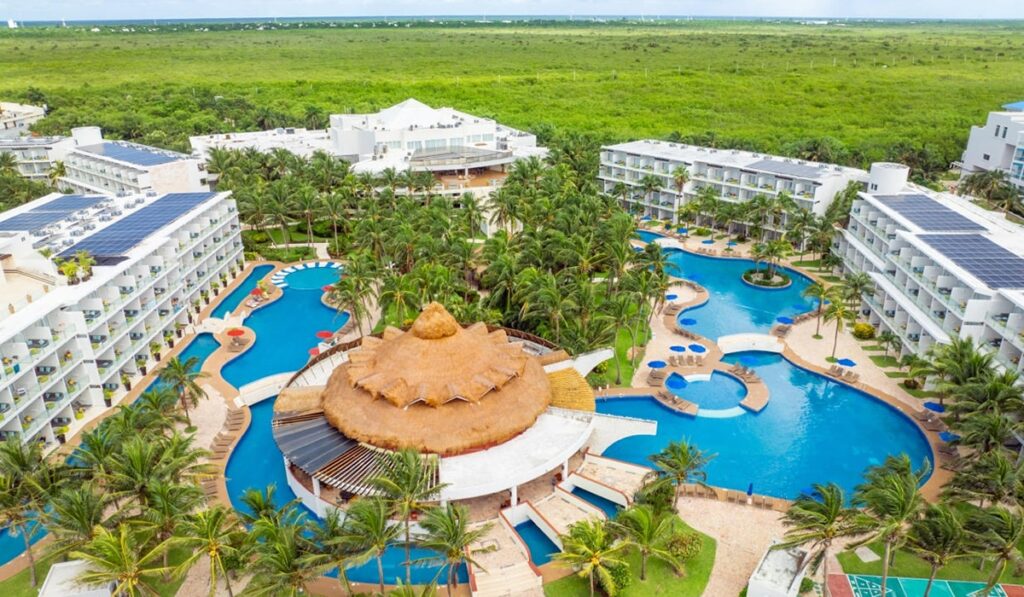
Resorts like Great Wolf Lodge and Nickelodeon Hotels cater specifically to families with children. These properties combine accommodation with extensive entertainment complexes, water parks, and character experiences. Kids’ clubs, teen lounges, and family activities form the core offering.
Family all-inclusives typically price per room rather than per person, making them cost-effective for larger families. Additional services like babysitting, premium dining, and spa treatments usually incur extra charges.
Standard Hotel Service and Pricing Models
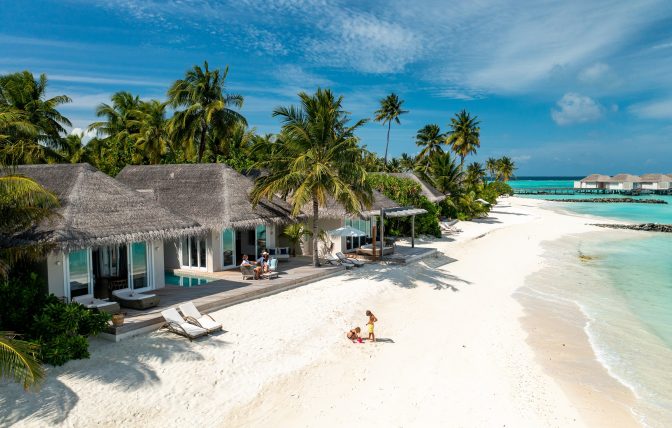
Standard hotels operate on an à la carte model where guests pay separately for accommodation, meals, beverages, and additional services. This approach offers maximum flexibility but requires more planning and budget management throughout your stay.
The hotel industry encompasses everything from budget chains to ultra-luxury properties. Premium hotel experiences focus on personalized service, unique locations, and high-quality amenities that guests can choose based on their preferences.
1. Luxury Hotel Chains and Boutique Properties

Hotels like The Ritz-Carlton, Four Seasons, and independent luxury properties emphasize personalized service and unique experiences. Guests pay for rooms separately from dining, spa treatments, and activities. This model allows for customized experiences but requires careful budget planning.
Luxury hotels often provide complimentary amenities like fitness centers, pools, and concierge services. However, dining, room service, and premium experiences come with individual price tags that can add up quickly.
2. Business and City Hotels

Urban hotels cater primarily to business travelers and city explorers who want accommodation as a base for external activities. Properties like Marriott, Hilton, and Hyatt offer consistent quality, loyalty programs, and locations near business districts or attractions.
These hotels typically charge for parking, Wi-Fi, breakfast, and other services that might be included elsewhere. The à la carte approach allows guests to pay only for services they use.
3. Resort Hotels with Optional Packages
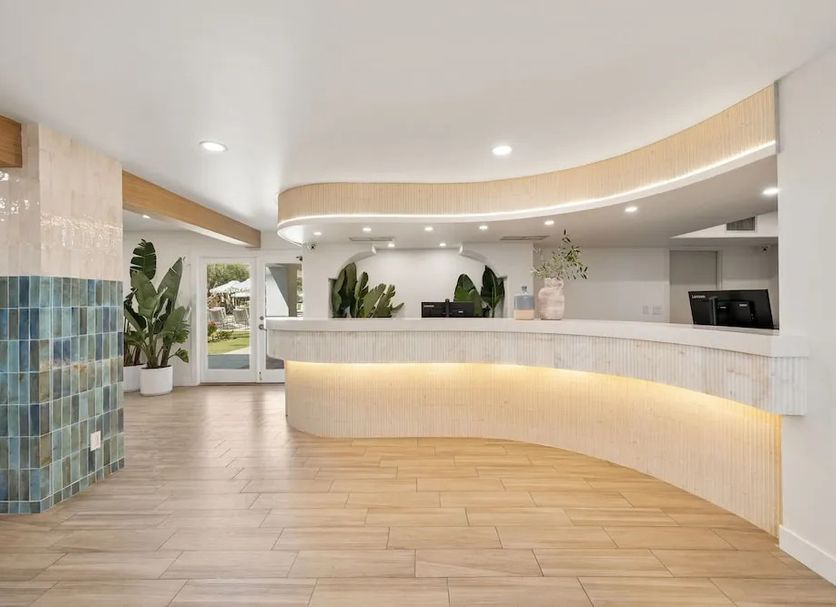
Some resort hotels offer hybrid models with optional meal plans, activity packages, or spa bundles. Guests can choose basic accommodation and add services as desired. This flexibility appeals to travelers who want some planning convenience without full commitment to all-inclusive pricing.
Cost Analysis and Budget Considerations
Understanding the true cost of each accommodation type requires looking beyond the advertised rates. All-inclusive resorts front-load expenses, while standard hotels spread costs throughout your stay.
A recent Travel + Leisure analysis found that all-inclusive resorts can offer value for travelers who fully utilize included amenities. However, light eaters and non-drinkers might find better value with standard hotels.
1. All-Inclusive Value Calculation
To determine all-inclusive value, calculate what you’d typically spend on meals, drinks, and activities during a vacation. Heavy consumers of resort amenities often find all-inclusive rates competitive with or cheaper than paying separately.
Consider that premium all-inclusive resorts in destinations like Turks and Caicos or Maldives can cost $800-2,000 per night for two people. This price typically includes meals that would cost $150-300 per day at resort restaurants, plus unlimited drinks worth $50-100 daily.
2. Standard Hotel Budget Flexibility
Standard hotels allow precise budget control by letting guests choose where and how much to spend. A $300 per night luxury hotel room leaves budget flexibility for expensive dinners, local experiences, or shopping.
However, resort restaurants and hotel dining often carry premium pricing. A dinner for two at a hotel restaurant can easily cost $150-300, while room service adds 20-25% in service charges and tips.
3. Hidden Costs and Additional Expenses
All-inclusive resorts may charge extra for premium liquor, specialty dining reservations, spa services, golf, motorized water sports, and excursions. These add-ons can increase costs by $50-200 per day.
Standard hotels have their own hidden costs including resort fees, parking, Wi-Fi, breakfast, and minibar charges. Urban hotels might charge $25-50 daily for parking alone, plus $20-40 for breakfast per person.
Dining Experiences and Culinary Options
Food and beverage experiences differ significantly between all-inclusive resorts and standard hotels. Each model offers distinct advantages for different types of travelers and culinary preferences.
All-inclusive dining emphasizes convenience and variety within the resort, while standard hotels provide flexibility to explore local cuisine and choose from a broader range of price points and dining styles.
1. All-Inclusive Restaurant Variety and Quality
Premium all-inclusive resorts typically offer 5-12 restaurants covering different cuisines, from casual beachside grills to upscale steakhouses. Brands like luxury all-inclusive destinations employ trained chefs and maintain quality standards across multiple dining venues.
However, food quality can be inconsistent due to volume requirements and cost constraints. Specialty restaurants often require reservations and may have limited availability during peak seasons.
2. Hotel Dining and Local Exploration
Standard hotels encourage exploration of local restaurants, street food, and authentic culinary experiences. This flexibility appeals to food enthusiasts who want to discover regional specialties and support local businesses.
Many luxury hotels feature award-winning restaurants with renowned chefs, offering dining experiences that rival the best standalone restaurants. However, these come with premium pricing that can significantly impact vacation budgets.
3. Dietary Restrictions and Special Needs
All-inclusive resorts have improved their handling of dietary restrictions, with many offering gluten-free, vegan, and allergy-friendly options. However, choices remain limited compared to selecting from multiple local restaurants.
Standard hotels provide more flexibility for travelers with specific dietary needs, allowing them to research and choose restaurants that specialize in accommodating their requirements.
Entertainment and Activity Programming
Entertainment options represent one of the biggest differences between accommodation types. All-inclusive resorts focus on organized activities and resort-based entertainment, while standard hotels emphasize location access to external attractions.
The choice depends on whether you prefer structured resort activities or independent exploration of your destination.
1. Resort Entertainment and Organized Activities
All-inclusive resorts typically offer daily activity programming including fitness classes, water aerobics, dance lessons, live music, and themed parties. Professional entertainers and activity coordinators create structured fun for guests of all ages.
Evening entertainment ranges from live shows and bands to themed parties and cultural performances. This appeals to travelers who want entertainment without leaving the property or making additional arrangements.
2. Location-Based Experiences and Cultural Immersion
Standard hotels often occupy prime locations in cities, near attractions, or in culturally rich areas that encourage exploration. Guests can easily access museums, historical sites, shopping districts, and local entertainment venues.
This model suits travelers who prioritize cultural immersion, local experiences, and flexibility in planning daily activities. Hotel concierges can arrange tours, restaurant reservations, and tickets to local attractions.
3. Wellness and Spa Services
Both accommodation types offer spa services, but with different pricing models. All-inclusive spas typically charge extra for treatments but may include basic facilities like saunas, fitness centers, and pools.
Hotel spas operate independently with full pricing for all services. However, they often provide more extensive treatment menus, specialized therapists, and luxury facilities that justify premium pricing.
Target Demographics and Travel Styles
Understanding who chooses each accommodation type helps identify which option suits your travel style and preferences. Different demographics gravitate toward each model based on their priorities and vacation goals.
Industry research from Hospitality Net shows that all-inclusive resorts attract primarily couples and families seeking relaxation, while standard hotels appeal to business travelers, adventure seekers, and cultural explorers.
1. Family Vacation Preferences
Families with children often prefer all-inclusive resorts for budget predictability and child-friendly amenities. Kids’ clubs, family pools, and organized activities keep children entertained while parents relax.
However, families interested in educational travel, cultural experiences, or adventure activities might find standard hotels provide better access to diverse experiences and learning opportunities.
2. Couple and Romance Travel
Couples seeking relaxation and uninterrupted time together often choose all-inclusive resorts, particularly adults-only properties. The convenience of included meals, drinks, and entertainment supports romantic getaways without logistical stress.
Couples interested in exploration, fine dining, and cultural experiences typically prefer standard hotels that provide flexibility to create personalized romantic experiences in unique locations.
3. Solo and Adventure Travelers
Solo travelers and adventure seekers usually prefer standard hotels for location flexibility and the ability to customize experiences. All-inclusive resorts can feel limiting for independent travelers who want to explore destinations thoroughly.
Business travelers almost exclusively choose standard hotels for location convenience, meeting facilities, and the flexibility to dine with clients or attend events outside the property.
Making the Right Choice for Your Travel Style
Choosing between all-inclusive resorts and standard hotels depends on your priorities, travel style, and what you want from your vacation experience. Consider these factors when making your decision.
Budget predictability versus flexibility, convenience versus exploration, and structured activities versus independent adventure represent the core trade-offs between these accommodation styles.
1. Budget and Value Considerations
Choose all-inclusive resorts if you want budget predictability, plan to spend most time on the property, and will utilize included amenities fully. This works best for relaxation-focused vacations where you want minimal decision-making.
Select standard hotels if you prefer budget flexibility, want to explore local dining and attractions, or have specific interests that require location access. This option suits travelers who enjoy planning and customizing their experiences.
2. Destination and Experience Goals
All-inclusive resorts work best for beach destinations, relaxation vacations, and when you want to minimize planning and logistics. They excel for celebrations, romantic getaways, and family bonding time.
Standard hotels better serve cultural exploration, business travel, adventure activities, and when the destination itself is the primary draw. They provide access to authentic local experiences and greater flexibility.
3. Travel Frequency and Loyalty Programs
Frequent travelers often benefit from hotel loyalty programs that provide upgrades, free nights, and elite status benefits. Major hotel chains offer extensive global networks and consistent service standards.
Consider booking your next accommodation through premium travel platforms that offer exclusive rates and personalized service regardless of which accommodation style you choose.
Future Trends in Accommodation Models
The hospitality industry continues evolving in 2026, with both all-inclusive resorts and standard hotels adapting to changing traveler preferences and technological advances.
Hybrid models combining elements of both approaches are gaining popularity, offering travelers more choices and customization options than traditional models.
1. Technology Integration and Personalization
Modern resorts and hotels use AI and data analytics to personalize experiences, recommend activities, and optimize service delivery. Mobile apps handle everything from room keys to restaurant reservations, improving convenience across both accommodation types.
Smart room technology, contactless service options, and predictive personalization are becoming standard features that enhance the guest experience regardless of the accommodation model chosen.
2. Sustainability and Responsible Travel
Both accommodation types are implementing sustainability initiatives, from renewable energy and waste reduction to supporting local communities. Sustainable tourism certification helps travelers choose environmentally responsible options.
All-inclusive resorts are partnering with local suppliers and offering cultural exchange programs, while hotels are implementing green building standards and supporting local economic development.
3. Flexibility and Customization Options
The future points toward more flexible accommodation models that combine the convenience of all-inclusive with the customization of standard hotels. Expect to see more properties offering optional packages, flexible meal plans, and à la carte activity selections.
This evolution responds to traveler demand for both convenience and choice, allowing guests to customize their experience level and budget commitment based on their specific preferences and travel goals.
Leave a Reply