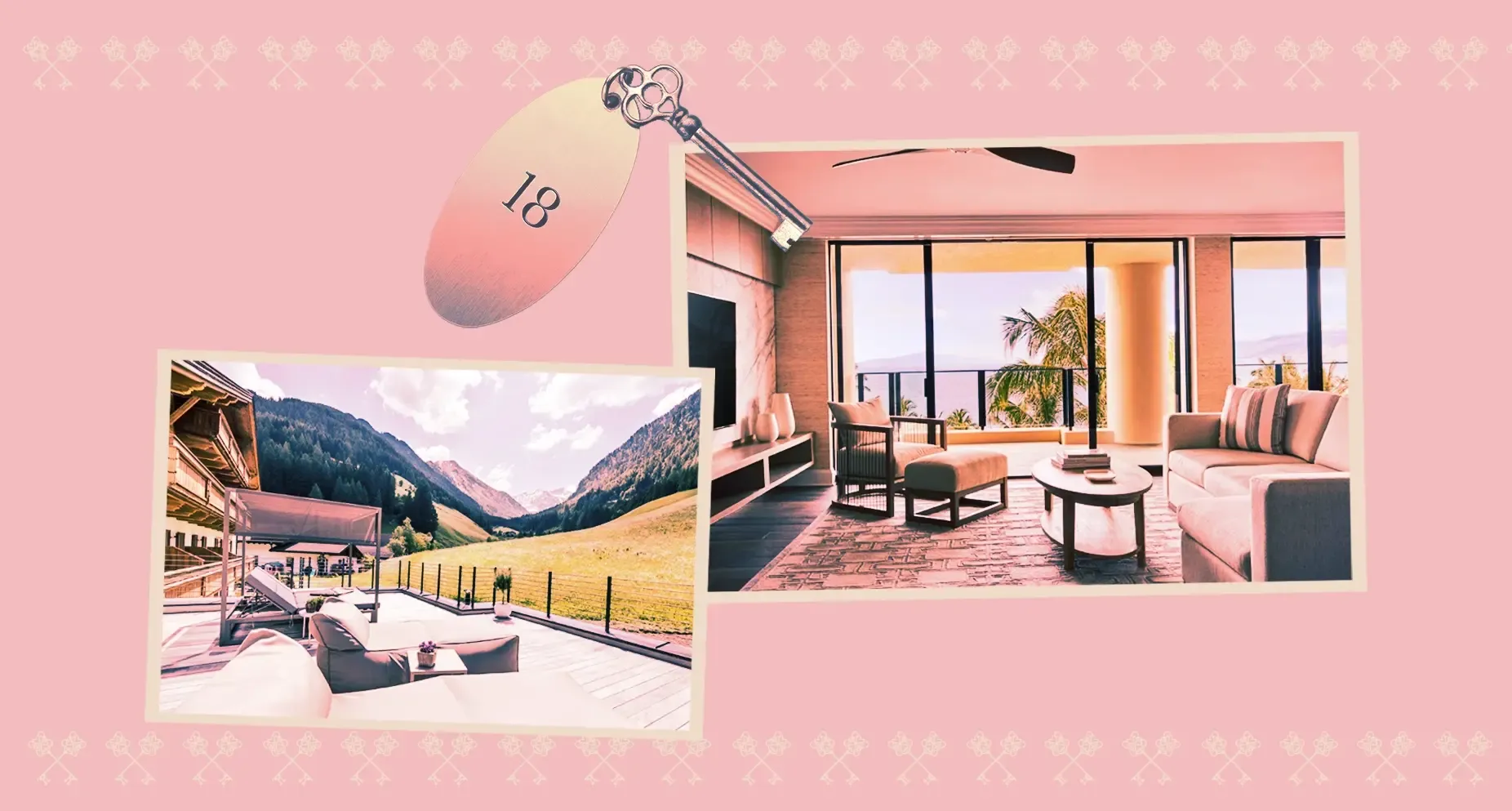
The hospitality industry has transformed dramatically over the past decade, with travelers increasingly seeking accommodations that reflect their personal style and values. Two distinct categories have emerged as dominant forces: boutique hotels and traditional hotels, each offering vastly different experiences.
Understanding these differences becomes crucial when planning your next getaway. Whether you’re a business traveler seeking efficiency or a leisure guest craving authenticity, the choice between boutique and traditional accommodations can make or break your trip.
The lines between these hotel types continue to blur as both adapt to modern traveler expectations. Yet fundamental distinctions remain that define each category’s unique appeal and target audience.
Size and Scale: The Numbers Game

1. Boutique Hotels Keep It Intimate

Boutique hotels typically house between 10 to 100 rooms, creating an atmosphere where staff can remember your name and preferences. This smaller scale allows for attention to detail that larger properties simply cannot match.
The intimate setting means you’re more likely to interact with other guests, creating opportunities for networking or friendship. Many boutique properties feature communal spaces designed to encourage these connections.
Limited room inventory often translates to higher occupancy rates and more selective guest experiences. Boutique accommodations can afford to be choosier about their clientele, maintaining a consistent atmosphere.
2. Traditional Hotels Embrace Volume

Traditional hotels range from 100 to over 1,000 rooms, prioritizing efficiency and standardization across their expansive properties. This scale enables competitive pricing through economies of scale.
Large properties offer extensive facilities that smaller hotels cannot justify economically. Multiple restaurants, conference centers, and recreational amenities become feasible with higher guest volumes.
The sheer size means you might never see the same guest twice during your stay. This anonymity appeals to travelers who prefer privacy and minimal social interaction.
Design Philosophy and Aesthetic Vision

3. Boutique Properties Champion Individuality

Each boutique hotel tells a unique story through its design, often reflecting local culture, history, or the owner’s personal vision. No two boutique properties look identical, even within the same brand family.
Interior design frequently features one-of-a-kind artwork, custom furniture, and locally sourced materials. These elements create Instagram-worthy spaces that guests love to photograph and share.
Architectural preservation plays a significant role, with many boutique hotels occupying converted historic buildings. Former factories, mansions, and cultural landmarks find new life as distinctive accommodations.
4. Traditional Hotels Prioritize Brand Consistency

Chain hotels maintain strict design standards across all properties, ensuring guests know exactly what to expect regardless of location. This predictability reduces travel anxiety for many visitors.
Standardized layouts maximize operational efficiency and minimize staff training requirements. Housekeeping, maintenance, and guest services follow identical protocols worldwide.
Brand recognition drives booking decisions, with travelers choosing familiar names over unknown properties. Market research shows that 67% of business travelers prefer recognized hotel brands for reliability.
Service Standards and Guest Experience

5. Personalized Attention Defines Boutique Service

Boutique hotels excel at customizing experiences based on individual guest preferences and requests. Staff members often wear multiple hats, creating deeper relationships with visitors.
Concierge services focus on local expertise rather than generic tourist attractions. Recommendations come from personal experience and genuine enthusiasm for the destination.
Special occasions receive thoughtful recognition, from handwritten welcome notes to customized amenities. These touches create emotional connections that inspire loyalty and repeat visits.
6. Traditional Hotels Master Operational Efficiency
Standardized service protocols ensure consistent quality across all interactions, though personal touches may be limited. Staff training focuses on efficiency and problem resolution.
24/7 amenities including fitness centers, business services, and dining options cater to guests with varying schedules. Round-the-clock availability becomes especially important for international travelers.
Loyalty programs offer tangible benefits including room upgrades, late checkout, and exclusive access to amenities. Premium hotel memberships can significantly enhance the guest experience through recognized status levels.
Amenities and Facilities Comparison
7. Boutique Hotels Focus on Quality Over Quantity
Amenities in boutique properties emphasize uniqueness and local flavor rather than comprehensive coverage. You might find a craft cocktail bar but no room service, or a curated library instead of a gift shop.
Fitness facilities tend to be smaller but often feature high-end equipment or unique offerings like yoga studios or meditation gardens. The focus shifts from size to experience quality.
Dining options usually include one exceptional restaurant rather than multiple mediocre choices. Celebrity chefs or local culinary stars often partner with boutique properties to create destination restaurants.
8. Traditional Hotels Provide Comprehensive Services
Full-service traditional hotels offer everything guests might need without leaving the property. Multiple dining venues, extensive meeting spaces, and recreational facilities create self-contained environments.
Business centers, laundry services, and transportation options operate on predictable schedules. Corporate travelers appreciate the reliability and comprehensive nature of these offerings.
Pool complexes, spa services, and fitness centers rival standalone facilities in scope and quality. Large properties can invest in amenities that smaller hotels cannot economically justify.
Pricing Structures and Value Propositions
9. Boutique Hotel Pricing Reflects Exclusivity
Boutique accommodations often command premium rates due to their unique positioning and limited inventory. Guests pay for exclusivity, personalization, and distinctive experiences.
Seasonal pricing fluctuates more dramatically than traditional hotels, especially in destination markets. Popular boutique properties may charge 2-3 times their standard rates during peak periods.
Package deals frequently include experiential elements like cooking classes, wine tastings, or cultural tours. Industry data indicates that boutique hotels achieve 15-20% higher average daily rates than comparable traditional properties.
10. Traditional Hotels Compete on Value and Consistency
Chain hotels leverage their scale to offer competitive rates, especially for extended stays or group bookings. Corporate contracts provide significant discounts for frequent business travelers.
Promotional pricing and package deals appear more frequently, particularly during slower demand periods. Revenue management systems optimize pricing across hundreds or thousands of properties simultaneously.
Loyalty program benefits add substantial value for frequent guests, effectively reducing the true cost per stay. Elite status members may receive complimentary upgrades worth hundreds of dollars per night.
Target Audiences and Guest Demographics
11. Boutique Hotels Attract Experience Seekers
Millennials and Generation Z travelers gravitate toward boutique properties that offer social media worthy experiences and authentic local connections. These demographics value uniqueness over standardization.
Creative professionals, entrepreneurs, and cultural enthusiasts appreciate the artistic elements and personalized service. Many guests view their accommodation choice as an extension of their personal brand.
Leisure travelers celebrating special occasions often choose boutique hotels for their romantic or memorable qualities. Honeymoons, anniversaries, and milestone birthdays benefit from the intimate atmosphere.
12. Traditional Hotels Serve Diverse Market Segments
Business travelers form the backbone of traditional hotel occupancy, valuing reliability, efficiency, and comprehensive amenities. Corporate travel policies often favor recognized brands for accountability and standardized expense reporting.
Families appreciate the predictable layouts, multiple dining options, and recreational facilities that larger hotels provide. Family-friendly accommodations require space and amenities that boutique properties often cannot offer.
International travelers frequently choose traditional hotels for their global presence and consistent quality standards. Language barriers and cultural differences become less challenging with standardized operations.
Technology Integration and Modern Conveniences
13. Boutique Properties Balance Tech with Personal Touch
Technology implementation in boutique hotels focuses on enhancing rather than replacing human interaction. Mobile check-in systems free staff to provide more personalized attention during arrival.
Smart room controls and high-speed internet meet modern expectations while maintaining the property’s unique character. Recent surveys show that 78% of boutique hotels plan to increase technology investments in 2026.
Social media integration and digital concierge services help guests discover local experiences and share their stays. These tools extend the boutique experience beyond the physical property.
14. Traditional Hotels Lead in Tech Innovation
Large hotel chains invest heavily in technology infrastructure, from mobile apps to automated systems. Keyless entry, digital room service ordering, and AI-powered customer service represent standard offerings.
Enterprise-level solutions enable seamless experiences across multiple properties and brands. Guests can use the same app and loyalty account whether staying in New York or Tokyo.
Data analytics and machine learning optimize everything from pricing to housekeeping schedules. These technological advantages contribute to operational efficiency and cost control.
Making the Right Choice for Your Travel Needs
Your accommodation choice should align with your travel objectives, personal preferences, and budget considerations. Business travelers prioritizing efficiency and predictability may find traditional hotels better suited to their needs, while leisure guests seeking unique experiences might prefer boutique properties.
Consider the length of your stay when making decisions. Longer visits may benefit from traditional hotels’ comprehensive amenities, while shorter trips might be enhanced by boutique properties’ distinctive character.
Location plays a crucial role in determining which option provides better value. Urban boutique hotels often offer superior local connections, while traditional hotels in suburban or airport locations provide practical advantages.
The hospitality industry continues evolving as both boutique and traditional hotels adapt to changing guest expectations. Industry experts predict that hybrid models combining boutique personalization with traditional reliability will become increasingly common.
Ready to experience the difference for yourself? Explore both boutique and traditional hotel options for your next destination and discover which style better matches your travel personality and preferences.
Leave a Reply